

Table of Contents:
Collagen is everywhere right now, from coffee creamers to smoothie powders, and plenty of people quietly wonder the same thing: Does collagen make you poop? Because bowel movements play a significant role in everyday comfort, consider how a popular supplement might impact them, especially if you already struggle with bloating or constipation.
With the global collagen supplement market valued at USD 2.84 billion in 2023 and projected to reach USD 5.43 billion by 2032, there is clearly growing interest in collagen’s health benefits. That includes questions about digestion, gut health, and bathroom habits.
Understanding how collagen works in the body, how it interacts with the digestive system, and where side effects may appear helps you determine whether collagen supplements fit your routine or if you should adjust your intake.
What Is Collagen?
Collagen is the most abundant protein in the human body. It acts as the structural "scaffolding" that keeps tissues firm, resilient, and elastic, providing the essential framework for your skin, tendons, ligaments, bones, and even your gut lining.
Main Types of Collagen
There are many types of collagen, but three are most commonly found in supplements and research.
- Type I collagen is the most common and is found in skin, bones, and tendons. It helps with skin elasticity and bone strength and is often the primary component in bovine collagen and marine collagen products.
- Type II collagen is concentrated in cartilage which supports joints and provides cushioning between bones. It shows up in some joint-focused supplements.
- Type III collagen forms the structure of organs, blood vessels, and the intestinal wall. When people discuss collagen for digestion and gut support, Types I and III often come into play, along with other types.
Collagen Peptides, Hydrolyzed Collagen, and Gelatin
Most dietary collagen comes in the form of collagen peptides or hydrolyzed collagen (these terms are generally interchangeable). Through processing, long, complex collagen protein chains are broken down into smaller, highly soluble peptide chains that your body can easily absorb.
Gelatin, on the other hand, is only partially broken down. It swells and forms a gel texture when mixed with water and cooled, which is why it is used to thicken bone broths and desserts. Hydrolyzed collagen peptides stay fully dissolved in both hot and cold liquids without gelling.
Common Collagen Sources
Most collagen supplements come from animal sources. Bovine collagen comes from cow hides and bones and usually provides a mix of Types I and III. Marine collagen comes from fish skin, bones, and scales, and is typically rich in Type I. There are also products from chicken sternum cartilage, eggshell membranes, and multi-source blends.
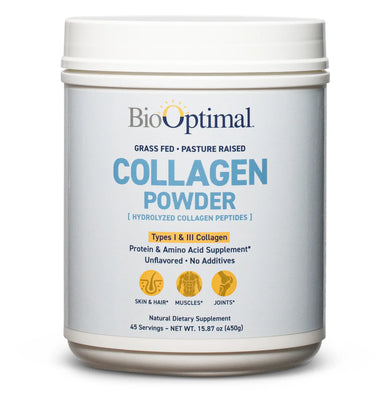
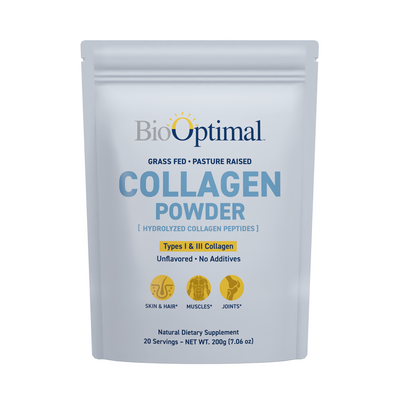
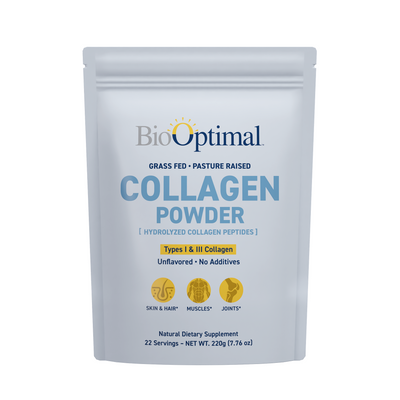
Not all hydrolyzed collagen is created equal. At BioOptimal, our Collagen Peptides undergo a specialized double hydrolysis process. By breaking the protein chains down twice, we maximize bioavailability. This ultra-low molecular weight means the peptides require far less digestive effort from your stomach, making them incredibly gentle on sensitive GI tracts and faster for your body to absorb and utilize.
How Collagen Interacts with the Digestive System
To figure out whether collagen triggers a trip to the bathroom, it helps to trace exactly what happens when this protein hits your stomach and intestines.
Glycine, Stomach Acid, and Digestive Support
Collagen boasts a powerful amino acid profile, with glycine making up roughly 33% of its structure. Research indicates that glycine plays a protective role in gastrointestinal health by supporting healthy stomach acid and bile production. Both are absolutely critical for breaking down food completely and preventing sluggish digestion.
Hydrophilic Nature and Water Attraction
Collagen proteins have a hydrophilic nature, meaning they attract water. When collagen peptides mix with fluid in the stomach and intestines, they can help draw water into the digestive contents. That added hydration may help soften stool in some individuals, which could contribute to relief from constipation. However, this effect is subtle and varies from person to person, especially when total fluid intake and fiber intake are taken into account.
Gut Lining Structure and Barrier Function
The intestines are lined with cells that form a barrier between the inner world of your gut and the rest of your body. Collagen provides structural support to the gut lining. Amino acids like glycine, proline, and hydroxyproline are used to maintain and repair connective tissue, including the delicate tissue in the intestinal wall. When the gut lining is in good condition, it may handle food particles and microbial byproducts more calmly.
Does Collagen Increase Bowel Movements?
The honest answer is that collagen does not act like a strong laxative, but it can subtly influence bowel movements, and the direction of that change depends on the individual.
What Research and Reports Suggest
While clinical trials often focus heavily on skin or joint outcomes, a vast amount of real-world feedback shows that many individuals experience softer stools and more predictable regularity after introducing collagen. If your baseline diet is already high in protein and you consume plenty of daily water and fiber, collagen will simply act as a clean, highly digestible protein source without causing sudden changes.
Constipation, Prevalence, and Potential Relief
Constipation is not a minor issue. For some of these individuals, collagen for digestion may be part of a broader plan that includes fluids, fiber, movement, and possibly probiotics.
When collagen is introduced gradually, paired with adequate hydration, some people experience gentle relief from constipation. Stools may pass more easily, bloating might lessen, and bowel movements can feel more predictable.
Benefits of Collagen for Gut Health
Many people are interested in the benefits of collagen for overall gut health.
Gut-Lining Support
Because collagen is a structural protein in connective tissue, it naturally supports the architecture of the intestinal wall. The amino acids in hydrolyzed collagen can be used to rebuild and maintain the gut lining, which may help the barrier function of the intestines. A more resilient barrier may respond less dramatically to irritants and may help reduce some forms of gut discomfort over time.
Inflammation and Microbiome Balance
Collagen itself is not a classic prebiotic fiber, but better digestion higher up in the GI tract can support the right environment for beneficial bacteria. When digestion works well and bowel movements are regular, microbes in the large intestine can produce more short-chain fatty acids, such as butyrate. These compounds are known to support colon cells and overall digestive health.
Practical Role of Collagen Supplements
Collagen supplements fit easily into a routine. Many people use collagen powder in coffee, smoothies, or soups, or take capsules if they prefer. Whether you choose marine collagen or bovine collagen, the goal is usually the same. You are providing your body with building blocks that may help skin, joints, and gut tissue, while also observing how your digestion responds.
Potential Side Effects & Downsides of Collagen
Like any supplement, collagen is not free of trade-offs. Understanding the possible side effects of collagen helps you introduce it wisely and notice early warning signs.
Digestive Discomfort and Constipation Risk
Some people experience bloating, gas, or stomach cramps when they start collagen supplements. This often occurs when the collagen dosage increases too rapidly. For a subset of people, collagen may initially worsen constipation rather than improve it, especially if overall water intake is low. Collagen increases protein load, and higher protein diets can sometimes cause constipation if they are not balanced with sufficient fiber and fluids.
Allergies and Sensitivities
Collagen comes from animal sources. Individuals with a known allergy to fish, shellfish, beef, or poultry should carefully read labels and consult a healthcare professional before using marine collagen, bovine collagen, or other animal-based formulas. Reactions can range from mild digestive upset to more serious symptoms in those with true allergies.
Taste, Texture, and Additives
While many collagen powders are marketed as neutral, some carry a noticeable taste or odor. That can make drinks less pleasant and discourage consistent use. Flavored collagen powders may contain sweeteners, flavorings, or gums that can irritate sensitive digestive systems. When you are evaluating collagen benefits for gut health, it is worth paying attention to the complete ingredient list, not just the protein source.
Heavy Metals and Quality Concerns
Because collagen is derived from animal tissues, there is a reasonable concern about heavy-metal contamination and purity. Reputable brands typically test for contaminants and share quality reports, but not all products are created equal. Choosing collagen supplements from companies that publish testing results can reduce this risk and give you more confidence in daily use.
Dosage & Best Types for Digestion
Finding the correct dose and type of collagen for digestion is primarily about finding comfort and consistency, as well as listening to how your body responds. Because collagen is a protein, your body has to break it down into collagen amino acids before they can be absorbed. Good collagen absorption depends on healthy levels of stomach acid, enough digestive enzymes, and overall gut health.
Hydrolyzed Collagen vs. Gelatin
Hydrolyzed collagen, often simply called collagen peptides, has been broken down into tiny pieces. These smaller chains are designed to dissolve easily in hot or cold drinks, which makes them gentle for many people. The lower molecular weight usually means quicker absorption and less heaviness in the stomach. For those with sensitive digestion, hydrolyzed collagen tends to sit more comfortably and is often the first choice when using collagen for gut support.
Gelatin comes from partially broken-down collagen and thickens or gels when mixed with liquid and cooled. It is what gives homemade gummies, broths, and sure desserts that bouncy texture. Because gelatin forms a gel, it can feel more substantial in the stomach and may slightly slow gastric emptying. Some people find it soothing, while others think it is somewhat heavy or full after eating it.
Bovine vs. Marine Collagen
Bovine collagen is derived from cattle and typically offers Types I and III. It is widely available, often more budget-friendly, and pairs well with both skin and gut-focused routines. Many people tolerate it well, although anyone with concerns about collagen allergies linked to beef or dairy should carefully read labels.
Marine collagen is sourced from fish skin, bones, and scales and is usually rich in Type I. It can be a good match for those who avoid beef or pork due to religious or personal reasons, or for individuals who find fish-based protein easier to digest. At the same time, individuals with fish or shellfish allergies must exercise caution when using marine-based formulas.
Tips to Support Regularity When Taking Collagen
If you are adding collagen to your routine with digestive health in mind, a few simple habits can make bowel movements more predictable and comfortable.
- Regular hydration is a big one. Collagen peptides attract water in the digestive tract, and that can help soften stool if your overall fluid intake is adequate.
- Fiber is the other key partner. Collagen is pure protein, not collagen fiber, so it will not bulk up stool the way plant-based fibers do. Pairing your collagen powder with fruits, oats, chia seeds, vegetables, or other fiber-rich sources helps keep things moving.
- Some people also benefit from probiotics or fermented foods alongside collagen. Healthy digestive enzymes and a balanced microbiome work together with collagen amino acids to support smoother digestion.
- When the gut environment is calm, and the colon has sufficient water and fiber to function correctly, collagen and gut barrier support can lead to more comfortable bowel movements.
- Finally, start slowly. Gradual dosing gives your gut time to adjust, especially if you have a history of constipation, loose stool, or a sensitive stomach.
- If you experience bloating or cramping, consider reducing your dose and increasing your fluid intake for a few days to determine the optimal dosage.
FAQ
1. What are the first signs that collagen is working?
Most people do not experience an overnight shift, but subtle changes accumulate over time. Early signs show up in visible tissues and everyday comfort. Joint comfort and hair fullness usually take longer, often eight to twelve weeks or more. More significant changes in the gut, such as improved tolerance to meals or reduced flare-ups, can take three to six months of consistent intake.
2. Does collagen increase bowel movements?
Collagen’s effect on the bathroom is real for some and barely noticeable for others. Glycine and other amino acids found in collagen also support healthy stomach acid and digestive enzymes, which may help reduce heavy, sluggish digestion. Individual response is shaped by dose, diet, timing, and your starting gut health.
3. What are the disadvantages of collagen?
Collagen is not free of downsides. Some users may experience digestive upset initially, such as bloating, gas, or temporary constipation or loose stools. Collagen allergies are another concern, especially in individuals who react to beef and are sensitive to fish or shellfish-based marine collagen or bovine sources. There can also be worries about heavy metals in collagen when sourcing or testing is poor.
4. Does collagen make you lose weight?
Collagen is a protein that supports satiety and helps maintain lean muscle. When you replace a lower-protein snack or drink with a collagen-rich option, you may feel fuller for longer and snack less often. When regular exercise and a well-balanced diet is done alongside, it can aid in weight management over time.
5. What happens to your body when you take collagen every day?
With steady daily intake and good overall collagen safety, your body gets a regular supply of building blocks for connective tissue. Over time, many people notice smoother, more elastic skin, less creaky joints, and stronger hair and nails. In the gut, collagen and gut barrier support may lead to calmer digestion and fewer flare-ups for some individuals.
Wrapping Up
Collagen can be an incredible ally for your skin, joints, and digestive lining, but it functions best as a collaborative part of your wider health routine. By choosing an ultra-pure, double-hydrolyzed option that works harmoniously with your biology, you avoid the bloating and stomach upset associated with lesser-quality formulas.
Collagen can be an incredible ally for your skin, joints, and digestive lining, but it functions best as a collaborative part of your wider health routine. By choosing an ultra-pure, double-hydrolyzed option that works harmoniously with your biology, you avoid the bloating and stomach upset associated with lesser-quality formulas.
Shop now and experience the difference with Biooptimal Supplements-your natural source for total health and nourishment!