

A spirulina protein drink is a beverage made by combining spirulina with liquids and other ingredients to create a nutrient-rich drink or smoothie. Spirulina is a type of blue-green algae that contains protein and can be added to drinks as part of a balanced nutrition routine.
Table of Contents:
- What Is a Spirulina Protein Drink?
- Is Spirulina a Good Protein Source?
- What Nutrients Does Spirulina Provide?
- How to Make a Spirulina Protein Drink
- Spirulina Protein Drink Recipe Ideas
- Spirulina Powder vs Spirulina Tablets- Which Option Fits You?
- Spirulina vs Other Plant-Based Protein Options
- Can You Combine Spirulina With Other Supplements?
- How BioOptimal Spirulina Products Fit Into Your Routine
- Frequently Asked Questions About Spirulina Protein Drinks
- Making Spirulina Part of a Balanced Nutrition Routine
What Is a Spirulina Protein Drink?
A spirulina protein drink is a beverage that includes spirulina powder along with water, milk, plant-based milk, fruit, vegetables, seeds, nut butter, protein powder, or other ingredients.
Spirulina is a type of blue-green algae, more accurately classified as cyanobacteria. It has been consumed as a food and supplement because it contains protein along with naturally occurring vitamins, minerals, pigments, and other compounds.
You can use spirulina in several ways. Common forms include-
- Spirulina powder
- Spirulina tablets
- Spirulina capsules
- Spirulina added to smoothies or juices
- Spirulina combined with other nutritional supplements
Spirulina powder is especially useful for drinks because it can be mixed or blended directly into a beverage.
A spirulina drink does not need to contain a conventional protein powder. However, spirulina is usually added in relatively small serving amounts, so it should not automatically be treated as a replacement for higher-protein foods or dedicated protein powders.
Instead, spirulina works well as a supplemental ingredient within a varied nutrition plan.
If you are comparing different types of spirulina, you should also read BioOptimal's guide to blue vs green spirulina.
Why Is Spirulina Added to Protein Drinks?
People often add spirulina to protein drinks because it provides a concentrated plant-based protein source and several naturally occurring nutrients.
Spirulina contains amino acids, including essential amino acids that your body must obtain through food. Since it has essential amino acids, it is sometimes described as a complete protein source.
However, serving size matters.
A typical spirulina serving is much smaller than the serving used for most dedicated protein powders. That means the total grams of protein you receive from spirulina may also be lower.
For example, you might add a teaspoon or small scoop of spirulina to a smoothie, while a traditional protein powder may provide a much larger protein serving.
People may include spirulina in drinks because they want-
- A plant-based supplement ingredient
- Extra nutrients in a smoothie
- A convenient way to use spirulina powder
- A colorful addition to green drinks
- A simple wellness routine
- A supplement that fits alongside other protein sources
Spirulina can fit into vegetarian and plant-focused eating patterns, but it is only a supplement to a balanced diet that includes a variety of protein sources.
Is Spirulina a Good Protein Source?
Spirulina contains a relatively high percentage of protein by dry weight. However, the amount of protein you actually consume depends on how much spirulina you use.
This distinction is important.
A food can be protein-rich by percentage while still providing only a modest amount of protein in a normal serving.
For example, if you use a small spoonful of spirulina in a smoothie, the total protein contribution will generally be much lower than what you would receive from a full serving of whey, pea, soy, rice, or blended protein powder.
Spirulina can still contribute to your overall protein intake. It serves a different purpose than most dedicated protein supplements.
|
Factor |
Spirulina |
Traditional Protein Powders |
|
Source |
Blue-green algae |
Pea, whey, rice, soy, or blended sources |
|
Main purpose |
Nutrient-rich supplement ingredient |
Protein-focused supplementation |
|
Common formats |
Powder, tablets, capsules |
Mostly powders |
|
Protein contribution |
Depends heavily on serving size |
Usually designed to provide a larger protein serving |
|
Role in diet |
Complements overall nutrition |
Often used to increase daily protein intake |
If your primary goal is to substantially increase your protein intake, a dedicated protein source may be more practical.
You can also combine spirulina with higher-protein foods or protein powder.
For example, a smoothie might include-
- Spirulina
- Soy milk
- Greek yogurt
- Nut butter
- Hemp seeds
- Pea protein
- Whey protein
This approach lets you use spirulina for its nutritional profile while relying on other ingredients for a more substantial amount of protein.
What Nutrients Does Spirulina Provide?
Spirulina provides protein along with several naturally occurring nutrients and compounds.
Its exact nutritional profile can vary based on the species, growing conditions, processing method, product quality, and serving size.
Spirulina commonly provides-
- Protein
- Amino acids
- Iron
- Copper
- Riboflavin
- Thiamin
- Naturally occurring pigments
- Phycocyanin
- Carotenoid compounds
Phycocyanin is one of the pigments responsible for spirulina's characteristic blue-green color.
Spirulina also contains small amounts of other vitamins and minerals. However, the amount you receive from a normal serving may not be enough to meet your daily requirement for a particular nutrient.
For that reason, spirulina should complement a varied diet rather than replace fruits, vegetables, whole grains, legumes, healthy fats, or other protein foods.
It is also important to note that spirulina is sometimes promoted online as a source of vitamin B12. Spirulina contains vitamin B12-like compounds, but much of this material may not be biologically active in humans. People following a vegan diet should not rely on spirulina as their only source of vitamin B12.
A reliable B12 supplement or fortified food is generally a more appropriate source when vitamin B12 intake is a concern.
How to Make a Spirulina Protein Drink
Making a spirulina protein drink is simple. You can combine spirulina powder with a liquid base and add ingredients based on your taste preferences and nutrition goals.
Basic Spirulina Protein Drink Recipe
|
Ingredient |
Purpose |
|
Spirulina powder |
Main spirulina ingredient |
|
Plant-based milk or preferred liquid |
Drink base |
|
Banana or berries |
Flavor and texture |
|
Nut butter or seeds |
Optional protein, fat, and texture |
|
Ice |
Optional texture |
Basic Ingredients
Try the following starting point-
- 1 cup unsweetened almond milk, soy milk, oat milk, dairy milk, or another preferred liquid
- Spirulina powder according to the product serving directions
- 1 small banana or ½ to 1 cup berries
- 1 tablespoon nut butter or seeds, optional
- Ice as desired
If you want a higher-protein drink, consider adding Greek yogurt, soy milk, hemp seeds, cottage cheese, or a dedicated protein powder.
Preparation Steps
- Add your liquid to the blender first.
- Add spirulina powder according to the product directions.
- Add fruit and any optional ingredients.
- Add ice if you want a colder or thicker drink.
- Blend until smooth.
- Taste and adjust the texture or flavor if needed.
Spirulina has a distinctive earthy flavor. Starting with a smaller amount and following the label directions can make it easier to find a taste that works for you.
Banana, pineapple, mango, berries, cocoa, cinnamon, and nut butter can help balance spirulina's flavor.
Looking for a quality spirulina supplement? Review BioOptimal Spirulina Products and choose a format that works with your daily routine.
Spirulina Protein Drink Recipe Ideas
You can change the flavor of a spirulina drink by adjusting the fruit, liquid base, and optional protein ingredients.
The following recipes are flexible. Use your spirulina product according to its labeled serving directions.
Green Spirulina Smoothie
This combination works well if you like fresh, mild green smoothies.
Ingredients-
- 1 cup unsweetened almond milk
- Spirulina powder according to label directions
- 1 handful of spinach
- 1 banana
- Ice
- 1 tablespoon chia seeds, optional
Put it all in a blender and blend until smooth.
Banana helps soften the earthy flavor of spirulina, while spinach adds additional green color and plant-based nutrients.
For more protein, use soy milk or add Greek yogurt, hemp seeds, or a protein powder.
Chocolate Spirulina Drink
Cocoa can help balance spirulina's stronger flavor.
Ingredients-
- 1 cup plant-based milk
- Spirulina powder according to label directions
- 1 tablespoon unsweetened cocoa powder
- ½ banana
- 1 tablespoon peanut or almond butter
- Ice
Blend until creamy.
You can add a small amount of cinnamon or vanilla for a different flavor. If you want more protein, choose soy milk or add a serving of your preferred protein powder.
Tropical Spirulina Drink
Tropical fruit pairs particularly well with spirulina because its naturally sweet flavor can balance spirulina's earthy taste.
Ingredients-
- 1 cup coconut water
- Spirulina powder according to label directions
- 1 cup frozen mango
- ½ cup pineapple
- Ice as needed
Blend until smooth.
For a creamier texture, use coconut milk, soy milk, or another preferred milk.
Berry Spirulina Smoothie
Berries provide a strong flavor and can create a darker color, making spirulina's appearance less noticeable.
Try blending-
- Spirulina powder
- Blueberries or mixed berries
- Greek yogurt or soy yogurt
- Milk or plant-based milk
- Chia or flaxseed
This combination can work well if you want a thicker breakfast-style smoothie.
High-Protein Spirulina Smoothie
Spirulina can be combined with a dedicated protein source to make a drink with a higher total protein content.
Try-
- Spirulina powder according to label directions
- 1 cup soy milk
- 1 serving pea, whey, or blended protein powder
- ½ banana
- 1 tablespoon nut butter
- Ice
Check the nutrition labels when combining supplements, so you know how much protein and other nutrients you are consuming.
Spirulina Powder vs Spirulina Tablets- Which Option Fits You?
Spirulina powder and spirulina tablets provide different ways to include spirulina in your routine.
Neither format is automatically better. The most suitable choice depends on whether you prefer mixing drinks or taking a premeasured supplement.
|
Feature |
Spirulina Powder |
Spirulina Tablets |
|
Best use |
Smoothies and drinks |
Convenient daily supplement |
|
Preparation |
Mixed into beverages or food |
Taken directly |
|
Convenience |
Requires mixing or blending |
Portable and simple |
|
Flavor |
Spirulina's taste is noticeable |
Minimal taste during use |
|
Ideal for |
Drink recipes |
Simple supplement routines |
When Spirulina Powder May Be a Good Fit
Powder may work well if you regularly make-
- Smoothies
- Juices
- Protein drinks
- Green drinks
- Yogurt bowls
- Other blended foods
It also gives you flexibility when combining spirulina with other ingredients.
The main drawback is taste. Spirulina has a strong flavor that some people need time to get used to.
When Spirulina Tablets May Be a Good Fit
Tablets can be practical if you want spirulina without blending a drink.
They may also be useful if you-
- Travel often
- Prefer premeasured servings
- Dislike spirulina's flavor
- Want a quick supplement format
- Do not regularly make smoothies
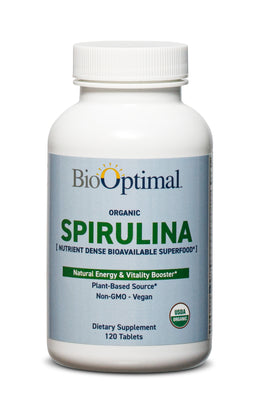
You can review BioOptimal Organic Spirulina Tablets if a tablet format suits your routine better.
Compare BioOptimal spirulina options and choose the format that works best for you.
Spirulina vs Other Plant-Based Protein Options
Spirulina differs from most plant-based protein powders because it is usually consumed as a supplemental ingredient rather than as a large protein serving.
Common plant-based protein powders include-
- Pea protein
- Soy protein
- Rice protein
- Hemp protein
- Pumpkin seed protein
- Mixed plant protein blends
These products are often formulated specifically to provide a substantial amount of protein per serving.
Spirulina contains protein, but most people use much smaller amounts.
This means your choice should depend on your goal.
If you want a significant increase in daily protein intake, a dedicated protein powder or protein-rich foods may be the more practical option.
If you want to add spirulina's protein, pigments, and naturally occurring nutrients to your routine, spirulina can complement those other sources.
You do not need to choose only one.
For example, you can add spirulina to a pea protein smoothie or combine it with soy milk and seeds. This creates a drink with spirulina while obtaining more protein from additional ingredients.
Can You Combine Spirulina With Other Supplements?
Spirulina is sometimes used alongside chlorella, collagen, greens powders, vitamins, minerals, or protein supplements.
Combining products can be convenient, but you should review the labels carefully.
Look for overlapping ingredients and consider-
- Total protein intake
- Added vitamins and minerals
- Serving size
- Allergens
- Other active ingredients
- Your personal nutrition needs
Taking more products does not automatically produce better results.
If you are interested in a combined supplement routine, you can review BioOptimal's spirulina and chlorella combination.
If you use prescription medication, are pregnant or breastfeeding, have a chronic health condition, or have questions about combining supplements, speak with a healthcare professional before making major changes.
How BioOptimal Spirulina Products Fit Into Your Routine
Whether you prefer adding spirulina to drinks or taking it in tablet form, choosing a product that fits your daily habits can make consistent use easier.
BioOptimal offers spirulina products designed for different supplement preferences.
If you enjoy smoothies and blended drinks, spirulina powder may be the more flexible option. You can combine it with fruit, plant-based milk, yogurt, seeds, nut butter, or protein powder.
If you prefer a straightforward supplement routine, tablets may be more convenient. They require no mixing and can be easier to use when traveling.
The best choice is the one that fits comfortably into your nutrition plan and is easy for you to use consistently.
Always follow the serving directions on the product label.
Frequently Asked Questions About Spirulina Protein Drinks
1. What is a spirulina protein drink?
A spirulina protein drink is a beverage that contains spirulina along with a liquid and, in many cases, fruit, vegetables, seeds, nut butter, yogurt, or protein powder.
Spirulina contributes protein and other naturally occurring nutrients, but it may not provide as much protein per serving as a dedicated protein powder.
2. How much protein is in a spirulina drink?
The amount of protein depends on how much spirulina you use and what other ingredients you add.
A drink made only with a small serving of spirulina and water may contain relatively little protein. A smoothie made with spirulina, soy milk, Greek yogurt, nut butter, or protein powder can contain considerably more.
Check nutrition labels and ingredient amounts to calculate total protein.
3. How do you make a spirulina protein drink?
Add your preferred liquid, spirulina powder, fruit, and any optional protein ingredients to a blender.
Blend until smooth and adjust the flavor as needed.
Banana, mango, berries, pineapple, cocoa, and nut butter can help balance spirulina's earthy flavor.
4. Can I put spirulina in a smoothie?
Yes. Smoothies are one of the most common ways to use spirulina powder.
You can combine spirulina with fruit, vegetables, dairy, or plant-based milk, yogurt, seeds, nut butter, or protein powder.
Follow your spirulina product's serving instructions rather than estimating a large amount.
5. Is spirulina better than protein powder?
Spirulina and protein powder serve different purposes.
Spirulina contains protein and other naturally occurring nutrients, but it is commonly consumed in smaller amounts. Traditional protein powders are usually designed to provide a larger amount of protein per serving.
Your best option depends on whether your main goal is to add spirulina to your diet or to increase your total protein intake.
6. Can you drink spirulina every day?
Many spirulina products are designed for regular use when taken according to their labeled directions.
Whether daily use is appropriate for you depends on your health, diet, product quality, medications, and personal needs.
If you have a medical condition or concerns about regular supplementation, ask a healthcare professional for individualized guidance.
7. Does spirulina taste good in drinks?
Taste is personal. Spirulina usually has an earthy, slightly sea-like flavor that some people enjoy and others find strong.
Fruit can make it easier to use in drinks.
Banana, mango, pineapple, berries, cocoa, vanilla, and nut butter are popular ingredients for balancing spirulina's flavor.
8. What is the best way to take spirulina?
The best format is the one that fits your routine.
Powder works well if you enjoy smoothies, juices, and mixed drinks. Tablets can be more practical if you want a portable option without the taste of spirulina powder.
Which ever format you choose, follow the product's labeled serving directions.
Making Spirulina Part of a Balanced Nutrition Routine
Spirulina can be added to drinks, smoothies, and other foods as part of a varied nutrition plan. It provides protein, amino acids, naturally occurring pigments, and several vitamins and minerals.
However, spirulina should not be treated as a complete replacement for all other protein sources. Serving sizes are typically much smaller than those used for dedicated protein powders.
Powder gives you flexibility for smoothie recipes, while tablets provide a simple option when you prefer not to prepare a drink.
Choose the format that fits your habits, review serving instructions, and combine spirulina with a varied diet that includes adequate protein from foods or other appropriate sources.
Shop BioOptimal Spirulina Products today to find a spirulina format that works with your daily routine.