

Table of Contents:
- What Is Algae Collagen?
- How Algae Collagen Works
- Algae Collagen vs. Other Collagen Types
- Benefits of Algae Collagen
- Choosing a Quality Algae Collagen Supplement
- How to Use Algae Collagen Supplements
- Potential Side Effects & Precautions
- Sustainability & Environmental Impact
- Frequently Asked Questions
- Wrapping Up
Algae-based options are showing up everywhere in the beauty and wellness aisle, and algae collagen is one of the most searched terms right now.
Here is the critical detail upfront: algae do not contain true collagen the way animals do. Most products sold under this label are actually algae-based collagen boosters that provide the supportive nutrients your body uses to build its own collagen. That distinction matters because it changes what you should expect from results, dosing, and product labels.
Let us break down what algae collagen really means, how it may support skin and joints, and how to choose a quality formula that fits a vegan lifestyle.
What Is Algae Collagen?
The term algae collagen is widely used, but it is often a misnomer. Collagen is found in animals and is composed of specific amino acid chains. Algae do not naturally produce human collagen in a form that can be consumed as “collagen peptides.”
What algae can do is contribute nutrients that support your body’s natural collagen-building process. So, when you see “algae collagen” on a label, think of it more like plant-based collagen support rather than direct collagen.
Many brands combine algae ingredients with vitamins, minerals, and amino acids, positioning the formula as a vegan alternative to collagen. Some products also use the phrases “collagen builder” or “collagen activator,” which are generally more accurate descriptions. In short, algae-based products can complement vegan skincare supplements nicely, but they work differently from animal-derived collagen powders.
True Collagen vs. Collagen Boosters
Proper collagen supplements are typically collagen peptides sourced from bovine, porcine, chicken, or fish. These provide direct collagen fragments that the body can break down and use as raw material. A collagen booster, by contrast, is designed to supply collagen synthesis nutrients that help your body produce collagen on its own.
That’s why plant-based collagen products often focus on vitamin C, minerals like zinc and copper, and amino acids. They aim to support the steps involved in collagen creation rather than “delivering collagen” itself. If you want a vegan collagen supplement, you’re usually choosing support ingredients over collagen peptides—and that is a totally valid choice as long as your expectations match the mechanism.
Why Algae?
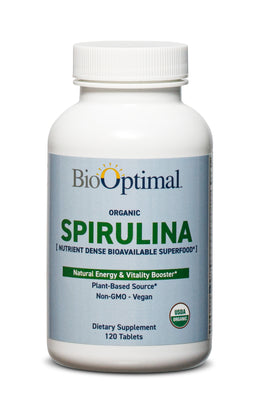
So why algae specifically? Algae, such as spirulina and chlorella, have robust nutrient profiles and are commonly used in wellness products.
- Spirulina is recognized for its high protein content and pigments, such as phycocyanin.
- Chlorella is often prized for its chlorophyll and micronutrients.
When brands talk about spirulina collagen benefits or chlorella collagen, they’re typically pointing to the way these algae may contribute antioxidants and supportive nutrients that fit into a broader collagen-support routine.
Algae ingredients also appeal to people seeking sustainable beauty supplements because algae can be cultivated with relatively low land use compared to many animal agriculture systems. For shoppers who prioritize vegan formulas, algae can feel like a natural fit for “beauty-from-within” habits.
How Algae Collagen Works
A true algae collagen supplement doesn’t “become collagen” the moment you drink it. Instead, it supports the body’s internal process. Collagen production happens inside fibroblast cells, and it depends on having enough amino acids, vitamin C, and supportive minerals. Think of algae-based formulas as a supportive toolkit. When a product is positioned as clean beauty collagen, it often combines algae with targeted nutrients to provide your body with what it needs for collagen formation and maintenance.
Amino Acids
Collagen is built from a repeating amino acid pattern. Glycine and proline are especially central, and lysine is essential because it supports cross-linking and the overall structure of collagen. That’s why you’ll often see formulas highlighting amino acids for collagen, specifically the trio: glycine, proline, and lysine.
Spirulina and chlorella can contribute amino acids, but they may not naturally provide the exact profile at the precise dose that a collagen peptide powder offers. Some vegan products add extra amino acids to achieve more substantial amounts, aiming to provide a more comprehensive support blend. The goal is to ensure the body has sufficient building blocks to maintain collagen production smoothly.
Vitamins & Minerals
Vitamin C is essential for collagen formation because it supports key enzymatic steps involved in stabilizing collagen fibers. Without it, collagen production becomes less effective. That’s why a vitamin C collagen booster is a common feature of vegan collagen formulas. If a product doesn’t include vitamin C, many people choose to pair it with a vitamin C-rich food or supplement.
Minerals matter too. Zinc supports tissue repair and skin integrity, while copper supports collagen cross-linking and the strength of connective tissue. In many collagen-support stacks, vitamin C, zinc, and copper form the “core” nutrient trio that makes the formula feel purposeful rather than just trendy.
Antioxidants
Collagen breakdown is influenced by oxidative stress from UV exposure, pollution, and lifestyle factors. While antioxidants don’t “create collagen,” they may help protect the collagen you already have by reducing oxidative strain. Algae are known for their antioxidant pigments and compounds, and many brands position algae as a source of antioxidant support.
Spirulina’s phycocyanin and chlorella’s chlorophyll are often highlighted here. The idea is that antioxidant support can be part of a bigger collagen-friendly routine that includes hydration, protein intake, sun protection, and a nutrient-dense diet. This is one reason algae-based options are frequently marketed as vegan skincare supplements rather than a pure “collagen replacement.”
Algae Collagen vs. Other Collagen Types
This is where expectations get clearer. Algae-based options are collagen supporters, while bovine and marine options deliver collagen peptides directly. When comparing labels, it's helpful to ask a straightforward question: Does this product contain collagen peptides, or does it contain nutrients that support collagen? That single question explains most of the real-world difference in outcomes.
Algae vs. Marine Collagen
In the comparison of marine collagen vs. algae, marine collagen typically refers to fish-derived collagen peptides. That is direct collagen, not a booster. Marine collagen is often promoted for skin support and is commonly used in powders that dissolve in coffee, smoothies, or water.
Algae-based formulas are different. A vegan collagen supplement built around algae typically supports collagen production through nutrition and antioxidant support rather than supplying collagen peptides. Algae-based boosters can be a practical alternative for vegans. If your priority is direct collagen peptides, marine collagen is not a vegan option.
Algae vs. Bovine/Porcine Collagen
Bovine and porcine collagen are among the most common collagen powders on the market, and they deliver collagen peptides directly. They’re also typically high in glycine and proline by nature, which is why many people find them straightforward to use.
By contrast, plant-based collagen formulas rely on supportive nutrients, which can still be helpful, but they’re not identical in mechanism. The experience may feel more gradual and depends heavily on the overall quality of one's diet, protein intake, and consistency.
Algae vs. Other Plant-Based Options
Algae-based boosters fall within a broader category of plant-based collagen support. Other products may use blends of vitamin C, hyaluronic acid, silica, bamboo extract, amino acids, and herbs. Algae can add antioxidant pigments and extra micronutrients, which is why it often shows up in formulas marketed as clean beauty collagen or sustainable beauty supplements.
The best choice ultimately depends on how the formula is constructed. An algae product that includes targeted amino acids plus vitamin C, zinc, and copper tends to be more intentional than one that simply adds a sprinkle of spirulina for marketing appeal.
Benefits of Algae Collagen
The benefit claims typically align with general collagen conversations, with one key nuance: with a booster, you are supporting your body’s own output. This means that results are based on factors such as age, protein intake, stress, sleep, and baseline nutrient status. Still, many people use algae-based collagen boosters for skin, hair, nails, and overall “beauty routine” support.
- Skin & Radiance: Skin elasticity and hydration are popular reasons people try algae collagen, often in conjunction with habits such as daily sunscreen and adequate water intake.
- Hair & Nail Strength: This comes up frequently for individuals who notice brittle nails or dry hair and want nutrition to support the health of keratin and connective tissue.
- Joint Comfort: Joint comfort and bone support are also part of the conversation, since collagen is naturally present in cartilage and connective tissues throughout the body.
- Sustainability: Many shoppers prefer algae-forward formulas because they align with vegan lifestyles and have a lower environmental footprint compared to traditional animal agriculture.
Choosing a Quality Algae Collagen Supplement
Because the term "algae collagen" is used loosely, quality ultimately depends on label clarity and formula design. You want a product that’s honest about being a booster and clear about amounts.
At BioOptimal, we believe that optimizing your wellness shouldn’t require a compromise on your values or your expectations. We look at plant-based nutrition through a lens of maximum bioavailability and absolute purity. When formulating or choosing a collagen-support supplement, our philosophy dictates that every ingredient must serve a functional purpose. We prioritize bioavailable nutrients your body can actually absorb and utilize, completely free from unnecessary fillers, artificial dyes, or excessive sweeteners.
Ingredient Transparency & Dosage
Look for transparent labeling that lists exact ingredient amounts, not just a proprietary blend. A meaningful formula usually includes a clear set of collagen synthesis nutrients, often centered around vitamin C and key minerals, with supportive amino acids if the brand is serious about structure support.
If the product heavily relies on algae marketing but doesn’t include essential components like vitamin C or mineral cofactors, it may not meet what most people are looking for. Strong labels also specify which algae are used and how they are processed, because quality can vary widely.
Certifications
If you’re shopping for a vegan collagen supplement, vegan certification can be helpful. Organic certification may be necessary for specific ingredients, depending on their source. Third-party testing is valuable because it supports transparency and quality checks, especially when purchasing powders that you’ll use daily.
If you care about clean beauty collagen positioning, look for products that avoid unnecessary additives, artificial dyes, and heavy sweeteners. Not everyone needs the same level of “clean,” but the label should match your comfort level.
Format- Powder, capsule, functional foods
Powders are popular because they can be easily incorporated into smoothies, coffee, or water, allowing for higher doses of supportive nutrients. Capsules can be convenient, but the total amount per day may be lower unless you take multiple capsules. Functional foods, such as collagen-support gummies or drink mixes, can be enjoyable, but they often contain extra sugars or flavors, so it’s worth checking the full label if you’re using them daily.
How to Use Algae Collagen Supplements
Consistency matters more than perfect timing. A booster works best when it becomes part of a daily routine that also includes enough dietary protein and nutrient-rich foods.
Recommended Dosage & Timing
Most people take algae-based boosters daily, and many prefer morning use simply because it’s easier to remember. If your product includes a vitamin C collagen booster, taking it with food can be gentler on the stomach. If it contains minerals like zinc, taking it with a meal may also reduce nausea for sensitive users.
The “right” dose depends on the product’s ingredient amounts. More is not always better. The goal is steady support, not mega-dosing.
Best Delivery Methods
Powdered boosters are easily added to smoothies, water, or non-dairy milk. Some people mix them into oatmeal or yogurt alternatives. If the taste is strong due to algae, blending with fruit or cocoa can help. Many users prefer keeping it simple and pairing it with a protein-rich breakfast, as protein intake supports the production of amino acids for collagen throughout the day.
Stacking with Other Nutrients
If you want to stack intelligently, keep it practical. Many people pair an algae booster with vitamin C-rich foods, adequate protein, and hydration. Some also prefer hyaluronic acid for skin hydration or silica for hair and nails, depending on their specific goals. The key is not turning your routine into a full-time job. A simple stack that supports collagen synthesis nutrients can be easier to stick with than a complicated schedule.
Potential Side Effects & Precautions
Algae-based products are generally well-tolerated, but side effects can occur. Digestive upset is one of the most common issues, especially if the powder is strong or if you’re sensitive to specific ingredients. Some people react to algae-based products due to individual sensitivities.
If you are pregnant, nursing, managing a medical condition, or taking medication, it’s smart to check with a professional before starting a daily supplement routine. Also, pay attention to sourcing and testing, since quality standards vary across brands.
Sustainability & Environmental Impact
Algae are often marketed as environmentally friendly because they can be grown without the same land use associated with many animal agriculture systems. They can also be produced in controlled environments, which may help with consistency and traceability depending on the producer.
That said, sustainability depends on real sourcing practices, not just a label claim. Packaging, shipping, and manufacturing choices also play a significant role. Still, many shoppers choose algae-based boosters because they align with sustainable beauty supplements goals and vegan preferences straightforwardly.
Frequently Asked Questions
1. Is AlgaeCal collagen any good?
AlgaeCal’s products receive positive feedback from some users for improving skin, nails, and joint comfort, but it’s essential to read the label carefully. Despite the name, AlgaeCal’s collagen is actually animal-derived rather than vegan, so it does not fit a strictly plant-based collagen routine. If you want true algae-based support, look for a clean booster formula that focuses strictly on plant-friendly ingredients.
2. What collagen is Jennifer Aniston using?
Jennifer Aniston is widely associated with Vital Proteins Collagen Peptides, a bovine-sourced collagen powder. While celebrity routines influence trends, the best choice depends on your personal dietary preferences. If you prefer a vegan option, a plant-based collagen booster utilizing clean algae and vitamin C cofactors is a much better match than animal-derived peptides.
Wrapping Up
If you’ve been searching for algae collagen, the key takeaway is simple: algae-based products employ a collagen-support approach, rather than delivering direct collagen peptides. A well-built algae collagen booster can be highly beneficial when it includes the proper nutrients for collagen synthesis, such as amino acids, vitamin C, and supportive minerals like zinc and copper.
By focusing on formulas that work harmoniously with your body's natural processes, BioOptimal helps you achieve sustainable, radiant results from the inside out. Browse the BioOptimal Supplements collection today, select the option that best suits your daily wellness routine, and maintain it consistently to support your body's natural longevity and vitality.