

Table of Contents:
- What Is Collagen?
- Why Collagen Supplements Are Popular?
- Does Collagen Expire?
- What Happens When Collagen Expires?
- How to Tell if Your Collagen Has Gone Bad?
- Does Collagen Go Rancid?
- Factors That Accelerate Collagen Spoilage
- How to Store Collagen for Maximum Shelf Life?
- Is It Safe to Consume Collagen After Expiration?
- Collagen Market Growth and Why Quality Matters
- FAQs
- Final Thoughts and Next Steps
You reach for your collagen powder, ready to mix it into coffee or a smoothie, and pause. The tub has been sitting there for months. Maybe longer. Does collagen go bad, and if it does, how would we even know?
This question matters more than most people realize. Collagen is a daily supplement for millions of health conscious consumers who rely on it for joint comfort, skin support, and healthy aging. Using collagen that has degraded or spoiled can mean reduced benefits, wasted money, or digestive issues that no one wants.
We work closely with collagen supplements and ingredient sourcing every day. We see how storage conditions, ingredient quality, and packaging affect shelf life in the real world. Let us walk through everything you need to know so you can feel confident about the collagen you use and when it is time to replace it.
Key Highlights
-
Does collagen go bad? Yes it can lose quality and safety over time
-
Most collagen powders last one to two years when stored correctly
-
Moisture, heat, air, and light speed up collagen spoilage
-
Spoilage signs include clumping off, smells, discoloration, and mold
- Proper storage helps collagen stay fresh, effective, and safe longer
What Is Collagen?
Collagen is the most abundant protein in the human body. It provides structure, strength, and elasticity to skin, joints, bones, tendons, ligaments, blood vessels, and connective tissue. Think of collagen as the framework that holds everything together.
Our bodies naturally produce collagen using amino acids from protein-rich foods, along with vitamin C, zinc, and copper. As we age, that production slows. Lifestyle factors such as sun exposure, smoking, stress, poor sleep, and low protein intake can further reduce collagen levels.
Common Forms Of Collagen Supplements
Collagen supplements are designed to provide the body with collagen building blocks in a convenient and absorbable way. The most common forms include:
Bovine collagen
Sourced from cows and rich in collagen types I and III. This form is widely used for skin, joints, bones, and muscles.
Marine collagen
Derived from fish skin and scales. It is often chosen for skin focused routines and tends to dissolve easily.
Hydrolyzed collagen
Also called collagen peptides. This is collagen that has been broken down into smaller amino acid chains for easier digestion and mixing. Most collagen powders on the market are hydrolyzed.
Collagen supplements also come as powders, capsules, liquids, and gummies. Each form has different stability and storage needs, which affect how quickly collagen can go bad.

Why Collagen Supplements Are Popular?
Collagen supplements have become a daily habit for people who want to support healthy aging from the inside out. The popularity is driven by both biology and convenience.
Starting in our mid-20s, natural collagen production declines by about one percent per year. Over time, this shows up as:
-
Fine lines and changes in skin texture
-
Joint stiffness or reduced flexibility
-
Thinning hair and brittle nails
- Slower recovery from physical activity
Collagen supplements offer a simple way to help fill the gap. Many people appreciate that collagen powder is tasteless, dissolves easily, and fits into existing routines without much effort.
Because collagen is used daily, understanding shelf life and safety is especially important.
Does Collagen Expire?
Yes, collagen does expire. This brings us directly back to the core question: Does collagen go bad over time?
Most collagen supplements have a shelf life of one to two years from the date of manufacture. This range depends on:
-
Source of collagen
-
Processing method
-
Added ingredients
-
Packaging quality
- Storage conditions
Best By Dates And What They Really Mean
Most collagen products display a best by date rather than a strict expiration date. A best by date indicates the period during which the manufacturer guarantees full potency, freshness, and quality.
Dietary supplements in the United States are regulated under FDA guidelines for safety labeling and manufacturing practices. However, the FDA does not require hard expiration dates for supplements. Manufacturers determine shelf life using stability testing and ingredient data.
That means collagen may not suddenly become unsafe the day after the best by date. However, quality and effectiveness can decline gradually.
What Happens When Collagen Expires?
When collagen passes its optimal shelf life, several changes can occur. Some are subtle while others are more obvious.
Loss of potency
Over time, collagen peptides can degrade. This means each scoop may deliver fewer usable amino acids than intended.
Protein breakdown
Proteins are sensitive to heat, moisture, and oxygen. Exposure accelerates proteolysis, which affects texture, taste, and performance.
Degradation of added nutrients
Many collagen products include vitamin C, hyaluronic acid, biotin, probiotics, or herbal extracts. These ingredients often degrade faster than collagen itself.
Increased contamination risk
If moisture or bacteria enter the container, older collagen becomes more vulnerable to microbial growth.
This is why the question - “does collagen go bad?” is about more than dates on a label. Real world storage conditions play a huge role.

How to Tell if Your Collagen Has Gone Bad?
Your senses are the most reliable tools for evaluating collagen quality. Always inspect collagen before use, especially if it is older or has been stored for a while.
Common signs of spoilage
|
Sign |
What you may notice |
Recommended action |
|
Clumping |
Hard or damp chunks |
Inspect closely, discard if moisture is present |
|
Off smell |
Sour, musty, or fishy odor |
Discard immediately |
|
Discoloration |
Yellow, gray, or brown tint |
Discard |
|
Bad taste |
Bitter or unpleasant flavor |
Stop using |
|
Mold |
Visible spots or fuzz |
Discard without tasting |
Fresh collagen powder should be dry, free flowing and neutral in smell and taste. Any strong odor or visible change is a clear signal to throw it away.
Does Collagen Go Rancid?
A common concern is whether collagen goes rancid like oils do. The short answer is usually no, but there are exceptions.
Rancidity refers to fat oxidation. Pure collagen is a protein and contains very little fat. That means it does not typically go rancid in the traditional sense.
However, some collagen products include added ingredients such as:
-
Flavoring agents
-
Medium chain triglycerides
-
Omega fatty acids
- Creamers
Marine collagen may also contain trace lipids from fish sources. When exposed to oxygen, heat, or light, these fats can oxidize and create unpleasant odors.
So while collagen itself does not usually go rancid, certain formulas can develop rancid like smells due to oxidation of added fats.
Factors That Accelerate Collagen Spoilage
Even high quality collagen can degrade faster when exposed to unfavorable conditions. We see these factors cause issues most often.
Moisture
Humidity is the biggest enemy of collagen powder. Moisture leads to clumping bacterial growth and faster degradation.
Heat
High temperatures speed up chemical reactions that break down proteins and added nutrients.
Light
Direct sunlight or strong indoor lighting can damage sensitive ingredients, especially in clear or thin packaging.
Oxygen
Every time the container is opened, oxygen enters and contributes to oxidation over time.
Strong surrounding odors
Collagen powder can absorb smells from spices, coffee, or cleaning products, which affects taste.
Homes with warm, humid kitchens are especially challenging environments for collagen storage.

How to Store Collagen for Maximum Shelf Life?
Proper storage makes a significant difference. With the right habits, collagen can remain stable and effective well within its shelf life.
Best storage practices
-
Store collagen in an airtight container
-
Keep it in a cool, dry place away from heat sources
-
Avoid storing near the stove, dishwasher, or sink
-
Use a dry scoop every time
- Close the container tightly after each use
If collagen comes in a resealable pouch, transferring it to a high quality airtight jar can further protect it from air and moisture.
Shelf life by supplement form
|
Collagen form |
Typical shelf life |
Storage guidance |
|
Powder |
1 to 2 years |
Airtight container cool, dry place |
|
Liquid |
6 to 12 months |
Refrigerate after opening |
|
Gummies |
6 to 12 months |
Cool, dark place, tightly sealed |
Powdered collagen remains the most stable and economical option for long term daily use when stored correctly.
Is It Safe to Consume Collagen After Expiration?
Many people wonder if collagen past its best by date is still safe.
In some cases, collagen that is slightly past its date may still be usable if
-
It has been stored properly
-
There are no signs of spoilage
- The smell, taste, and appearance are normal
However, there are real risks to consider.
- Reduced effectiveness - Expired collagen may not deliver the intended benefits.
- Digestive discomfort - Degraded proteins or additives can cause bloating, nausea, or stomach upset.
- Microbial risk - If moisture contamination occurred, the risk of bacteria or mold increases.
Our professional advice is simple. If you are unsure, discard it. Collagen is not worth the risk when safety is in question.
Collagen Market Growth and Why Quality Matters
The global collagen market has grown rapidly, driven by interest in healthy aging, joint support, and beauty from within. With growth comes variation in quality.
Estimated global collagen market growth
|
Year |
Estimated Market Value (USD) |
|
2024 |
~10.38 billion |
|
2025 |
~11.4 billion |
|
2030 (forecast) |
~20+ billion |
|
2033 (forecast) |
~26+ billion |
As more brands enter the market, ingredient sourcing, manufacturing standards, and packaging quality vary widely. This makes proper storage and brand selection more important than ever.
Choosing collagen from companies that prioritize third-party testing, low-moisture packaging, and clean formulations helps reduce the risk of spoilage and improve shelf stability.
FAQs
1. Does collagen go bad once opened?
Yes, exposure to air and moisture begins once opened. Proper storage slows degradation.
2. How long does collagen powder last after opening?
Typically, six to twelve months when stored correctly.
3. Can expired collagen make you sick?
It can cause digestive upset or illness if contaminated with bacteria or mold.
4. Does flavored collagen spoil faster?
Often, yes, because added flavors, sweeteners, and vitamins degrade sooner.
5. Should collagen be refrigerated?
Only liquid collagen should be refrigerated after opening unless the label states otherwise.
6. Can collagen lose effectiveness before the date?
Yes, poor storage can reduce potency even before the printed date.
7. Is clumpy collagen always bad?
Minor dry clumps can be normal. Damp clumps indicate moisture and should be discarded.
Final Thoughts and Next Steps
So, does collagen go bad? Yes, it does, but with the right care, it stays safe and effective for its full shelf life. Collagen is a valuable part of many wellness routines and deserves proper storage and attention.
By checking dates, watching for spoilage signs, and storing collagen correctly, you protect both your health and your results. Trust your senses and do not hesitate to discard collagen that seems off.
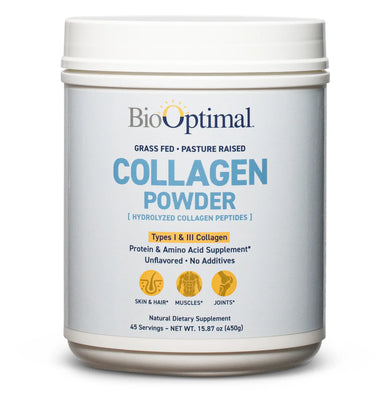
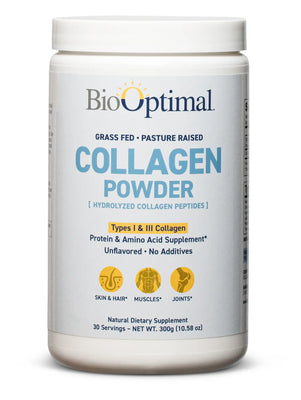
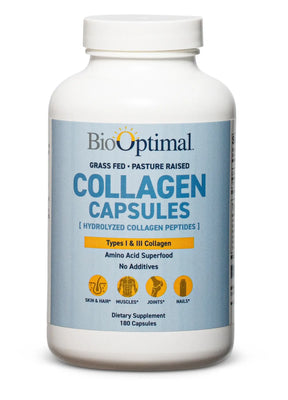
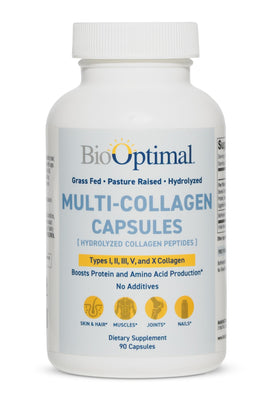
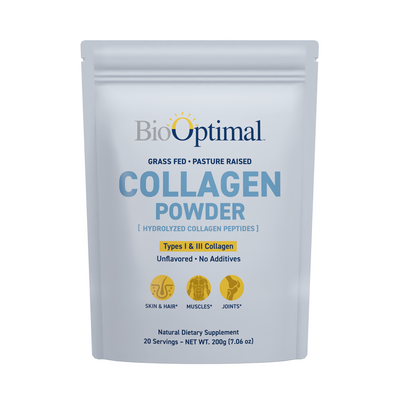
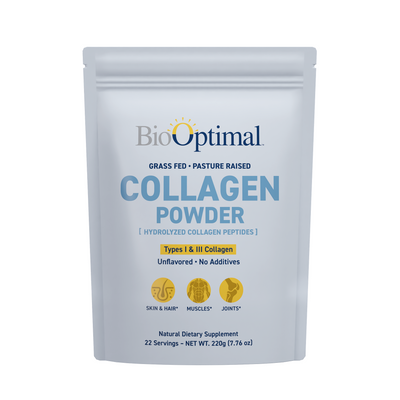
If you are restocking or upgrading your routine, this is where brand choice matters. BioOptimal collagen products are crafted with 100 percent pure collagen peptides, free of growth hormones and antibiotics, and completely unflavored and odorless. Each formula is created with stability, safety, and real-world storage conditions in mind, so you get consistent quality without guesswork.
Pairing high quality collagen with proper storage habits gives you consistency, peace of mind, and dependable results. When your supplement is clean, stable, and thoughtfully made, your routine stays simple and your confidence stays high.