

Table of Contents:
- What Is Collagen?
- Understanding Acne Vulgaris
- Does Collagen Itself Cause Acne
- Why Some Collagen Supplements Trigger Breakouts
- How to Choose the Right Collagen If You're Acne Prone
- Preventing and Addressing Collagen‑Related Breakouts
- Does Collagen Help With Acne Scars
- Practical Seven‑Day Collagen Trial Plan
- Final Thoughts and Smart Next Steps
You finally commit to taking collagen for healthier‑looking skin. A week later, a breakout shows up. The timing feels too close to ignore, and the doubt sets in. Can collagen cause acne, or is it just a coincidence?
For adults who already manage acne‑prone skin, this concern is valid. You want stronger, smoother skin without undoing months or years of progress. Collagen supplements are everywhere, yet online advice is often conflicting and emotionally charged. One bad experience quickly turns into a blanket warning that collagen causes breakouts for everyone.
The reality is more nuanced and far more reassuring. When we understand how collagen works, how acne forms, and what actually triggers breakouts, we can separate myth from fact and make choices that support skin health instead of working against it.
Key Highlights
- Pure collagen peptides do not directly cause acne
- Most breakouts are linked to added sugars, biotin, dairy, or fillers
- Gut health and sudden high dosing can temporarily affect skin
- Clean, unflavored collagen is best for acne‑prone individuals
- Thoughtful introduction and supportive skincare reduce risk
What Is Collagen?
Collagen is the most abundant protein in the human body. It acts as the scaffolding that gives structure and strength to skin, joints, bones, tendons, ligaments, and connective tissues. In skin, specifically collagen, contributes to firmness, elasticity, and the ability to recover from minor damage.
Our bodies naturally produce collagen using amino acids derived from dietary protein, along with nutrients like vitamin C, zinc, and copper. Starting in early adulthood, collagen production gradually declines. Environmental stressors such as sun exposure, chronic stress, poor sleep, smoking, and nutrient deficiencies can accelerate this decline.
This reduction shows up as fine lines, slower wound healing, reduced skin elasticity, and increased fragility over time. Collagen supplements are designed to provide the building blocks the body uses to maintain and repair tissue as natural production slows.
Types of Collagen Relevant to Skin
Type I collagen
This is the most abundant collagen in the body and the dominant type in skin, hair, nails, and bones. It provides tensile strength and helps skin maintain firmness and smoothness.
Type II collagen
This type is concentrated in cartilage and is most relevant for joint support rather than the appearance of skin.
Type III collagen
Often found alongside type I, this type supports skin elasticity and plays a role in tissue repair and healing.
Most supplements contain hydrolyzed collagen peptides, meaning the collagen protein has been broken down into smaller chains that are easier to digest and absorb. These peptides are not hormones, stimulants, or medications. They are simply proteins that the body repurposes where needed most.

Understanding Acne Vulgaris
To evaluate whether collagen can cause acne, it helps to understand how acne actually develops.
Acne vulgaris is a multifactor condition. It does not result from a single supplement, food, or habit. Instead, it develops when several internal and external factors overlap.
Sebum Production
Sebaceous glands produce oil to protect the skin barrier. When oil production increases, pores become more prone to congestion.
Pore Blockage
Dead skin cells can mix with oil and trap bacteria inside follicles, leading to comedones and inflammatory lesions.
Hormonal Signaling
Androgens stimulate oil production. Stress hormones, menstrual cycles, insulin spikes, and metabolic shifts can all influence androgen activity.
Inflammation
Inflammatory responses determine how red, swollen, and painful acne lesions become.
Dietary and Metabolic Factors
High glycemic foods raise insulin and insulin‑like growth factor, which increase sebum output and inflammation.
Acne is not caused by protein intake itself. It is influenced by hormonal signals, inflammation, and how the skin responds to internal changes.

Does Collagen Itself Cause Acne
This is the core question, and the answer is clear. Pure collagen peptides do not directly cause acne.
Collagen does not stimulate sebaceous glands, clog pores, or alter hormone levels. Once consumed, collagen is broken down into amino acids such as glycine, proline, and hydroxyproline. These amino acids enter the general amino acid pool and are used wherever the body needs them, including skin, joints, muscles, and connective tissues.
Clinical studies examining collagen supplementation consistently show neutral or positive effects on skin hydration, elasticity, and dermal structure. Acne is not listed as a common or expected side effect of pure collagen peptides.
When breakouts occur after starting collagen, the cause is almost always related to formulation dosage, digestion, or individual sensitivity rather than the collagen itself.
Why Some Collagen Supplements Trigger Breakouts
Although collagen itself is acne‑neutral many collagen products contain additional ingredients that can trigger breakouts, especially in acne‑prone adults. Understanding these triggers is essential.
Added Sugars and High Glycemic Ingredients
Many flavored collagen powders include sweeteners to improve taste. These often include cane sugar, dextrose, maltodextrin, or syrup solids.
These ingredients raise blood sugar and insulin levels. Elevated insulin signals increase oil production and inflammation, two central drivers of acne. Even small daily spikes can be enough to worsen breakouts in sensitive individuals.
Common high‑glycemic additions include:
Cane sugar
Dextrose
Maltodextrin
Sweetened creamers
If a collagen product tastes sweet but is not clearly labeled unsweetened, it may not be suitable for acne‑prone skin.
Biotin Overload and Vitamin B5 Imbalance
Biotin is commonly added to beauty supplements for hair and nail support. While biotin is an essential nutrient, high supplemental doses can interfere with the absorption of vitamin B5.
Vitamin B5 plays a role in regulating sebum production. When B5 availability decreases, oil production may increase, creating an environment more prone to clogged pores and inflammation.
Many individuals report acne flare‑ups when taking high‑dose biotin. This reaction is frequently misattributed to collagen when biotin is the true trigger.
Fillers, Dairy, and Allergens
Some collagen products contain fillers or protein blends that include whey or milk‑derived ingredients. Dairy is a well‑documented acne trigger for many adults due to its hormonal activity and insulin‑stimulating effects.
Marine collagen may also cause issues for individuals with fish sensitivities. Even mild immune responses can increase systemic inflammation, which may appear as skin breakouts.
Low quality fillers may include:
Whey protein
Milk solids
Soy additives
Artificial thickeners
These ingredients add little benefit while increasing the likelihood of breakouts.
Gut Skin Axis Disruption
The gut and skin are closely connected. Introducing a new protein supplement can temporarily alter gut bacteria, especially in people with sensitive digestion.
Possible reactions include bloating, changes in bowel habits, or increased inflammation. When inflammation rises systemically, the skin often reflects it.
This reaction is usually temporary and dose related. It does not mean collagen is harmful, only that the body needs time to adapt.

How to Choose the Right Collagen If You're Acne Prone
Product selection is the most important factor in preventing collagen‑related breakouts. Simpler is better when skin sensitivity is a concern.
Use this checklist when choosing a collagen supplement.
- Select a clean ingredient list with collagen as the primary ingredient
- Choose unflavored and odorless formulas
- Avoid added sugars or sweeteners
- Steer clear of biotin and beauty blends
- Do not choose products with dairy or whey
- Opt for sources from grass‑fed or wild‑caught animals
- Check for third‑party testing for purity and contaminants
Ingredient comparison and acne risk
|
Ingredient |
Common purpose |
Acne risk |
|
Pure collagen peptides |
Protein support |
Low |
|
Cane sugar |
Flavor |
High |
|
Maltodextrin |
Texture |
High |
|
Biotin |
Hair and nail support |
Moderate to high |
|
Whey protein |
Added protein |
High |
|
Natural flavors |
Taste |
Moderate |
Clean formulations reduce unnecessary variables and make it easier to understand how your skin responds.
Preventing and Addressing Collagen‑Related Breakouts
If you want to use collagen while protecting your skin, a thoughtful approach makes a noticeable difference.
Adjust Dosage and Timing
Jumping straight to a large dose can overwhelm digestion and increase inflammation.
A gentler approach includes:
Starting with 5 grams daily
Increasing gradually to 10 or 15 grams if well tolerated
Taking collagen earlier in the day
Avoiding mixing collagen with sugary drinks
Spacing collagen away from heavy meals may also improve tolerance.
Supportive Diet and Lifestyle
Collagen works best in a supportive environment.
Helpful habits include:
Eating low‑glycemic meals
Staying well hydrated
Prioritizing consistent sleep
Managing stress
Chronic stress raises cortisol, which increases inflammation and oil production regardless of supplements.
Complementary Skincare Pairings
Oral supplements support skin from within, but topical care remains essential.
Effective skincare practices include:
Gentle cleansing twice daily
Salicylic acid for pore congestion
Benzoyl peroxide for inflammatory acne
Retinoids for healthy cell turnover
Daily mineral sunscreen
Consistency matters more than product variety.
Does Collagen Help With Acne Scars
Collagen plays an important role in skin structure and wound healing, which makes it relevant for acne scar support. However, it is not a standalone treatment.
Collagen supplementation may help with skin elasticity, dermal thickness, and healing capacity. These benefits can improve overall skin texture and resilience over time.
Deeper or more established scars typically require in‑office treatments like microneedling, laser therapy, or chemical peels. Collagen works best as supportive care alongside professional treatments and topical regimens.
Practical Seven‑Day Collagen Trial Plan
If you are acne‑prone and want to introduce collagen cautiously, follow this simple plan over seven days.
Day one
Take 5 grams of unflavored collagen in water. Observe digestion and skin.
Day two
Repeat the same dose. Avoid adding new supplements.
Day three
Continue with 5 grams. Monitor oiliness and redness.
Day four
Increase to 10 grams if no reaction occurs.
Day five
Maintain hydration and keep sugar intake low.
Day six
Assess skin texture and any new blemishes.
Day seven
Decide whether to continue increasing or pause based on your response.
This gradual approach reduces gut disruption and makes cause and effect easier to identify.
FAQs
1. Can taking collagen make me purge?
Purging is associated with topical ingredients that increase cell turnover. Oral collagen does not cause purging. Breakouts are usually ingredient related.
2. Which collagen types matter most for skin?
Types I and III support skin structure and elasticity. Type II is primarily for joints.
3. Are collagen supplements safe for acne‑prone skin?
Yes, when using clean, unflavored formulas without added sugars, biotin, or dairy.
4. Could marine collagen iodine worsen acne?
Marine collagen contains very low iodine levels. It is unlikely to worsen acne unless iodine sensitivity exists.
5. How long before collagen affects skin?
Most people notice changes within four to eight weeks of consistent use.
6. Is it possible to be allergic to collagen?
True allergy to collagen itself is rare. Reactions are more often due to other ingredients in the product.
7. Can collagen worsen hormonal acne?
Collagen does not influence hormones directly. If acne flares are hormonal, focus on diet, lifestyle stress, and medical care rather than collagen avoidance.
Final Thoughts and Smart Next Steps
So, can collagen cause acne? Pure collagen does not. When breakouts occur, they are almost always tied to sugars, biotin, dairy fillers, allergens, or digestive stress rather than the collagen itself.
For acne‑prone adults, the answer is not avoiding collagen but choosing it wisely and introducing it thoughtfully. Clean formulations, gradual dosing, and supportive skincare allow collagen to support skin health without triggering breakouts.
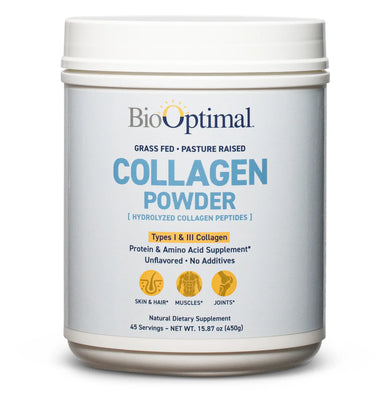
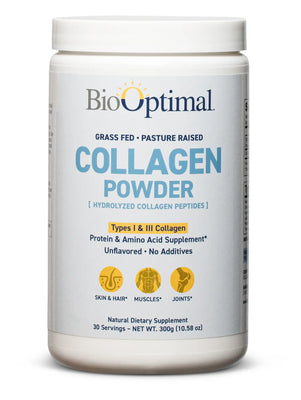
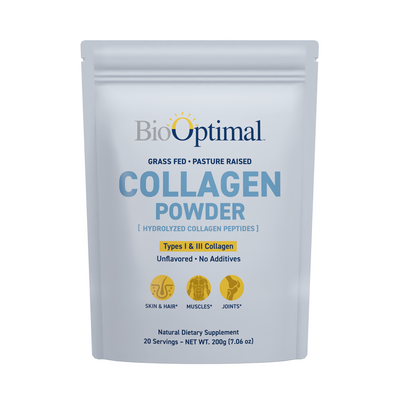
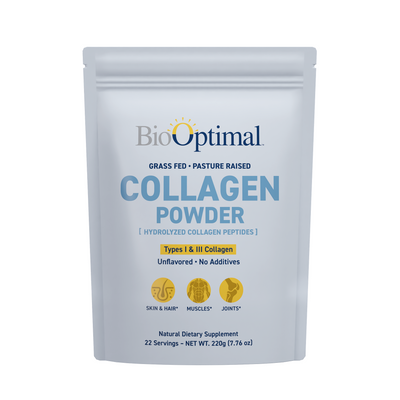
If you are looking for a simple skin‑friendly option, BioOptimal collagen peptides are made with 100 percent pure collagen peptides free of growth hormones and antibiotics, and completely unflavored and odorless. This removes many of the most common acne triggers while fitting easily into daily routines.
Healthy skin is built through consistency, quality, and balance. With the right collagen and a thoughtful approach, supporting your skin does not have to come at the cost of clarity.