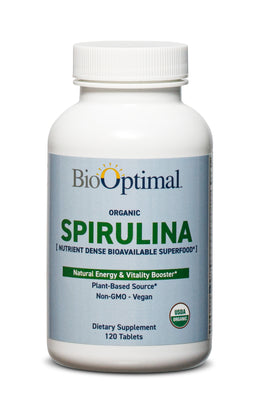


Spirulina tastes strongly of the sea, closest to dried seaweed, with an earthy and slightly bitter finish. The taste is much stronger in powder than in tablets, which is why many people choose tablets and swallow them whole with water rather than mixing powder into a drink.
Louis's takeaways:
Spirulina has a bold, earthy, and seaweed-like taste that may take some getting used to. Its powerful health benefits—including detox support, immune boosting, and nutrient density—make it worth adding to your diet. Blending it with fruits, citrus, or cocoa can help mask the flavor and make it more enjoyable.
Table of Contents:
Spirulina is a nutrient-packed superfood celebrated for its health benefits, but its taste can be a mystery for first-time users. So, what does spirulina taste like? Known for its bold and distinct flavor, spirulina taste often varies depending on how it’s prepared and consumed. Some describe it as earthy or slightly salty, while others find it reminiscent of seaweed.
Understanding the flavor profile of spirulina can help you incorporate it into your diet more effectively. Whether blending it into smoothies, mixing it with juices, or adding it to recipes, knowing what to expect can make your experience more enjoyable. In this guide, we’ll explore the unique taste of spirulina, share tips on masking its flavor if needed, and suggest creative ways to use it in your meals.
Learn how to embrace spirulina’s taste and reap its incredible health benefits!
SUMMARY:
Spirulina has a bold, earthy, and seaweed-like taste that can surprise first-time users. Understanding its flavor helps you blend it into smoothies, juices, or meals more easily. This guide offers tips to mask the taste and enjoy spirulina’s health benefits.
Understanding Spirulina’s Unique Flavor
When trying spirulina for the first time, many wonder, "What does spirulina taste like?" Its flavor is often described as earthy, slightly nutty, or even similar to seaweed. Depending on its source and preparation, spirulina can also have a hint of bitterness.
For some, the strong, ocean-like taste can be acquired, while others find it complements savory or citrus-based recipes. Spirulina’s flavor is most noticeable in its raw powder form, but it blends well with fruits, juices, or yogurt to create a more balanced taste.
Factors That Affect Spirulina’s Taste

Spirulina is known for its distinctive flavor, but various factors can influence its taste. By understanding these elements, you can customize your spirulina experience and even learn how to make spirulina taste good.
Source and Quality of Spirulina
The quality and origin of spirulina play a significant role in its flavor. Spirulina harvested from clean, high-quality water sources tends to have a fresher, milder taste, while low-quality products might have a stronger, more unpleasant flavor. Always choose reputable brands to ensure a palatable spirulina flavor.
Form of Spirulina
Spirulina is available in several forms, including powder, tablets, and capsules. The powdered form typically has the most pungent flavor because it’s unmasked. Tablets and capsules, on the other hand, are nearly tasteless and ideal for those sensitive to spirulina’s bold flavor.
Iodine Content and Taste
A common question is, Does spirulina have iodine? Spirulina naturally contains minimal iodine, unlike seaweed. However, its slight ocean-like taste can sometimes be mistaken as a sign of iodine content. If you’re iodine-sensitive, this is reassuring, but it won’t affect spirulina’s characteristic flavor.
Preparation Methods
How to make spirulina taste good depends on preparation. Blending it with sweet fruits like bananas, adding it to citrus-based smoothies, or mixing it with chocolate can mask its earthy notes. Diluting it in a flavorful juice or soup can make the taste more appealing.
SUMMARY:
Spirulina’s taste varies based on its source, quality, and form—powders are more pungent, while tablets are nearly tasteless. Though it has a seaweed-like flavor, spirulina contains minimal iodine. Blending it with fruits, juices, or chocolate helps make it more enjoyable.
How to Make Spirulina More Palatable?

Spirulina is a nutritional powerhouse, but its earthy and ocean-like taste can be challenging for some. If you’re wondering how to make spirulina taste good, here are some tips to enhance its flavor and make it more enjoyable.
-
Blend Spirulina with Sweet Ingredients—Add spirulina powder to smoothies with naturally sweet fruits like bananas, mangoes, or pineapples. These fruits help balance the bold spirulina flavor. For an extra touch of sweetness, include honey, maple syrup, or dates.
-
Use Citrus-Based Juices- Mix spirulina with orange, lemon, or lime juice. The citrus's tanginess can effectively mask the earthy notes.
-
Pair with Bold Flavors—Combine spirulina with cacao or cocoa powder to create a rich and indulgent flavor. To dilute the taste, mix it into flavorful soups, like miso or vegetable broth.
-
Opt for Smaller Servings- Start with a small amount of spirulina and gradually increase the dose as you get used to its taste.
By experimenting with these preparation techniques, you can make spirulina a delicious and easy addition to your daily diet while enjoying its remarkable health benefits.
Why Embrace Spirulina Despite Its Taste?
Spirulina’s health benefits far outweigh its unique flavor, making it a worthwhile addition to your diet. While the bold spirulina flavor may take some time, its nutrients can significantly enhance your overall well-being. Here’s why you should give spirulina a chance despite its distinctive taste.
Packed with Nutritional Benefits
Spirulina is a superfood rich in protein, vitamins, and minerals. It’s a complete protein source, containing all essential amino acids, and is also high in iron, B vitamins, and antioxidants. These nutrients support energy levels, immune health, and cellular repair, making spirulina a valuable dietary supplement.
Minimal Iodine Content
A common question arises for those concerned about iodine sensitivity: Does spirulina have iodine? Unlike seaweed, spirulina contains only trace amounts of iodine, making it a safer option for people with iodine restrictions. Despite its ocean-like flavor, spirulina does not significantly contribute to iodine intake, allowing more individuals to enjoy its benefits without worry.
Versatile and Adaptable
Though the spirulina flavor can be strong, it’s easy to mask or complement with creative preparation. Blending it into smoothies, mixing it with citrus juices, or adding it to soups are simple ways to make spirulina more palatable. These methods allow you to enjoy its health benefits without being overwhelmed by its taste.
A Worthwhile Addition
The health advantages of spirulina, including its nutrient density and versatility, make it an excellent choice for anyone looking to improve their diet. Despite its low iodine content and numerous preparation options, spirulina can quickly become a staple in your wellness routine despite its bold flavor.
SUMMARY:
Spirulina offers powerful health benefits—from protein and antioxidants to immune and energy support—despite its bold taste. With minimal iodine and easy ways to mask its flavor, it’s a versatile superfood worth adding to your daily routine.
Can You Take Collagen Supplements And Spirulina Together?

You can take collagen supplements and spirulina together. Collagen supports skin, hair, and joint health, while spirulina provides protein, vitamins, and antioxidants. These supplements complement each other, offering a broader spectrum of health benefits. Spirulina’s nutrient density can enhance energy levels and immune function, while collagen promotes tissue repair and elasticity.
When combining supplements, consider their dosages and your nutritional needs. It’s always a good idea to consult a healthcare professional to ensure safe and effective supplementation, especially if you have existing health conditions or are taking medications.
Who Should Not Take Spirulina?
While spirulina is generally safe, specific individuals should avoid it. People with autoimmune diseases, such as lupus or rheumatoid arthritis, may experience worsening symptoms due to spirulina’s immune-stimulating properties.
Those with phenylketonuria (PKU), a rare genetic disorder, should also avoid spirulina, as it contains phenylalanine. Individuals with severe seafood or iodine allergies should consult a healthcare provider before use, even though spirulina contains minimal iodine.
If you’re pregnant, breastfeeding, or taking medications, seek medical advice to prevent potential interactions or adverse effects. Always choose high-quality spirulina from reputable sources to minimize the risk of contamination.
SUMMARY:
Spirulina should be avoided by individuals with autoimmune diseases, PKU, or severe seafood/iodine allergies. Pregnant or breastfeeding women and those on medications should consult a doctor before use. Always opt for high-quality sources to ensure safety.
Wrapping Up
Spirulina is a nutrient-rich superfood, but its bold flavor can be polarizing. While some find the spirulina to taste earthy and fresh, others might feel that the spirulina powder tastes horrible without proper preparation. The key is experimenting with recipes and pair spirulina with complementary ingredients like fruits, citrus, or cocoa to balance its intense flavor. Despite its unique taste, the health benefits of spirulina—ranging from improved energy to immune support—make it worth including in your routine. With creative preparation, you can enjoy the best of spirulina without being deterred by its distinctive flavor. Give it a try and reap its rewards!.
Frequently Asked Questions
1. What does spirulina taste like?
Spirulina tastes strongly of the sea. The closest comparison is dried seaweed or nori, with an earthy, grassy note and a slightly bitter finish. Some people also notice a faintly savory, almost mushroom-like quality. It is a strong flavor rather than a subtle one, and most people describe it as an acquired taste.
2. Does spirulina taste bad?
That depends on the person and the format. Taken as a tablet swallowed with water, you get very little taste. Stirred into plain water as a powder, the flavor is strong and many people dislike it. Blended into a fruit smoothie, it is usually barely noticeable. The format matters more than the spirulina.
3. Is spirulina sweet?
No. Spirulina has no sweetness at all. It sits firmly on the savory and earthy side, closer to seaweed or spinach than to anything sweet. If a spirulina product tastes sweet, the sweetness is coming from something added to it rather than from the spirulina itself.
4. What does blue spirulina taste like?
Blue spirulina is much milder. It is phycocyanin, a single pigment extracted from the algae, rather than the whole dried algae, so most of the strong seaweed flavor is left behind. It is used mainly for its vivid blue color and has far less taste than green spirulina.
5. How do you take spirulina without tasting it?
Tablets are the simplest answer, since you swallow them whole with water. If you prefer powder, blend it with strongly flavored fruit such as banana, mango, pineapple or berries, add citrus or cocoa, and start with half a teaspoon. Cold liquid also mutes the flavor more than warm.
6. Does spirulina powder taste different from tablets?
Yes, noticeably. Powder disperses across your tongue, so you taste all of it. A tablet passes through quickly with water and leaves very little flavor behind. People who dislike the taste of spirulina but want to keep taking it usually switch to tablets rather than giving up.