

Louis's takeaways:
Table of Contents:
One of the best things I ever did for my health was to swap coffee for matcha. It gave me steady energy, less jitter, and — bonus — my skin cleared up. Below is the exact matcha latte I make most days, along with simple tips for choosing ingredients and getting a smooth, bright-green cup every time.
Why This Matcha Latte Works
This is a gentle, nutrient-dense drink that combines high-quality matcha, a natural sweetener, and optional collagen for extra skin support. Matcha delivers concentrated green tea antioxidants. Raw or local honey adds natural sweetness and trace nutrients. Collagen can help support skin elasticity and hydration when used regularly.
Ingredients
- 1 teaspoon good-quality matcha powder (ceremonial or high-grade culinary, bright green, 100% matcha, product of Japan)
- 1–2 teaspoons raw local honey or manuka honey (adjust to taste)
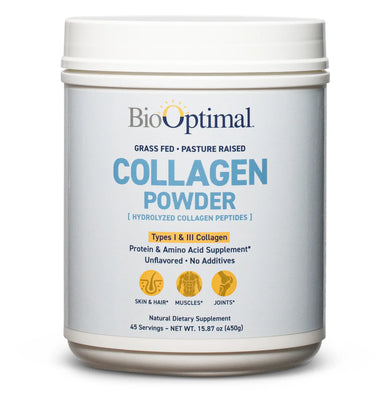
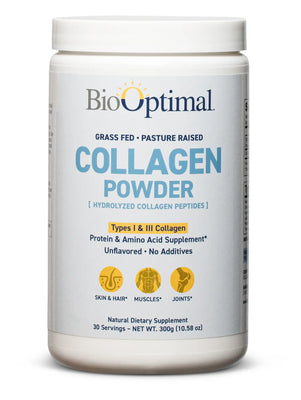
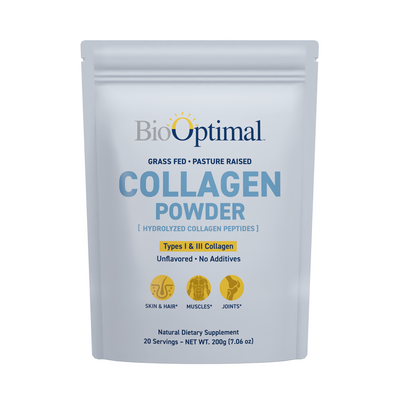
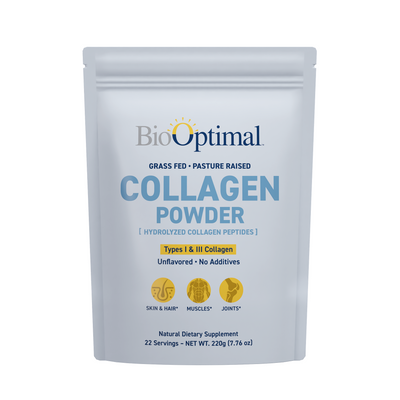
- 1 scoop collagen powder (optional — about 8–12 g)
- ~2 ounces hot water (not boiling)
- 6–8 ounces warmed milk of choice (I use almond milk)
Choosing The Right Matcha
Look for a bright green color and a reputable Japanese brand. If your matcha tastes flat or "fishy," the powder is likely low quality or stale. Stick to 100% matcha powder — no fillers, no artificial flavors.
Why Raw Local Honey (Or Manuka)?
Raw honey adds natural sweetness and small amounts of vitamins, minerals, and antioxidants. Local honey can also help relieve seasonal allergies for some people. Manuka honey is a pricier option but prized for its unique antibacterial properties.
Collagen — Optional, But Great For Skin
If you want extra skin support, add a scoop of a high-quality collagen powder. It dissolves easily and doesn't significantly alter the matcha flavor. Use whatever type you prefer (bovine, marine, or multi-source), and follow the product's serving size.
Water Temperature And Whisking Technique
Never pour boiling water straight onto matcha — it can scorch the powder and create a bitter or off taste. I boil water, let it cool for about a minute, then use water around 175°F (80°C). Pour a small amount over the matcha, then whisk until no clumps remain.
For whisking, you can use:
- Bamboo whisk (chasen) — traditional, giving a frothy finish.
- Small metal whisk or milk frother — works well for everyday use.
- Blender — Vitamix or immersion blender if you want a completely smooth texture and don't mind extra cleanup.
Step-By-Step: My Matcha Latte Method
- Measure 1 teaspoon matcha into your bowl or cup.
- Add any dry collagen powder and give it a quick mix into the powder.
- Heat water to just below boiling, then let it sit for 30–60 seconds to cool to ~175°F (80°C).
- Pour about 2 ounces of hot water over the matcha and whisk briskly until no clumps remain and it's slightly frothy.
- Stir in 1–2 teaspoons raw honey (or manuka) until dissolved.
- Warm 6–8 ounces of almond milk (or milk of choice) and pour over the matcha. Give it a final whisk or stir.
- Enjoy warm. Adjust sweetness and matcha strength to taste.
Tips, Variations, And Troubleshooting
- Too bitter or fishy? Try a higher-grade matcha and don't use boiling water. Also, check the matcha's color — dull brownish-green often signals poor quality.
- Want it iced? Whisk matcha with a little cold water or use a blender, add honey and collagen, then pour over ice and top with cold milk.
- Milk options: Almond, oat, coconut, or dairy all work. Barista blends froth better for a creamier latte.
- Adjust strength: Use 1.5 teaspoons for a bolder cup or 3/4 teaspoon for a milder green tea flavor.
- Storage: Keep matcha in an airtight container in a cool, dark place (or refrigerate) to preserve the bright color and flavor.
FAQs
1. How much caffeine is in matcha compared to coffee?
Matcha contains less caffeine per serving than a typical coffee cup, but because you consume the whole leaf, it provides a sustained energy lift rather than a quick spike. Adjust serving size to meet your caffeine tolerance.
2. Can kids or pregnant people drink matcha?
Low to moderate amounts of matcha are generally okay, but pregnant people and children should consult a healthcare provider about caffeine limits and supplements like collagen.
3. Does collagen mix well with matcha?
Yes. Collagen dissolves easily in warm liquids and is a neutral way to boost protein and skin-supporting amino acids.
Final Notes
Choosing high-quality ingredients makes all the difference: bright green 100% matcha, raw local honey, and a good collagen powder if you want it. Keep the water temperature in check, whisk until smooth, and enjoy a creamy matcha latte that supports steady energy and healthy skin.