

Louis's takeaways:
Table of Contents:
- What Is Considered an Empty Stomach?
- How Your Body Absorbs Collagen on an Empty Stomach
- Pros and Cons of Empty-Stomach Collagen
- Decision Matrix: Match Your Timing to Your Goal
- How Long to Wait Before Eating
- Form-Specific Guidance: Powder, Capsules, and Multi-Collagen
- Drug and Supplement Interaction Timing
- First-Week Onboarding Protocol (For Sensitive Stomachs)
- Quality and Sourcing: What Matters for Empty-Stomach Use
- Frequently Asked Questions
- The Bottom Line
Yes, you can take collagen on an empty stomach. Hydrolyzed collagen peptides absorb efficiently whether your stomach is empty or full, and many people prefer empty-stomach intake first thing in the morning for habit consistency and slightly faster transit through the digestive tract. The most important factor for results is daily consistency, not exact timing. If you have a sensitive stomach, taking collagen with a small meal works equally well for long-term outcomes.
This guide covers the full picture: what counts as an empty stomach, how absorption actually works, a decision matrix matching timing to your specific goal, drug interaction timing (especially with thyroid medication), form-specific guidance for powder versus capsules, and a first-week protocol for sensitive stomachs.
What Is Considered an Empty Stomach?
An empty stomach generally means at least two to three hours have passed since your last meal, and your digestive system has cleared the food into the small intestine. First thing in the morning, before breakfast, is the most common empty-stomach window. By that definition, plain water, black coffee, and herbal tea do not count as breaking the empty-stomach state since they contain virtually no calories, protein, or fat.
Empty stomach is not the same as fasting. Fasting is a deliberate longer-term abstinence from calories, while empty stomach simply means no recent meal. Collagen peptides contain calories and a small amount of protein, so taking collagen technically breaks a strict water fast, but they are compatible with most intermittent fasting protocols. The fasting question is covered in detail later in this guide.
How Your Body Absorbs Collagen on an Empty Stomach
Collagen supplements use hydrolyzed collagen, also called collagen peptides. Hydrolysis breaks the original protein into smaller chains using a water-based enzymatic process. These shorter peptides are far easier for the body to absorb than intact collagen because much of the digestive work has already been done before you take it.
When you swallow collagen on an empty stomach, the peptides pass through the stomach quickly because there is no other food competing for digestive resources. They reach the small intestine, where the majority of nutrient absorption takes place, within about 30 minutes. Once there, your body breaks them down further into individual amino acids, primarily glycine, proline, and hydroxyproline, and absorbs them into the bloodstream. The peptides peak in the blood within one to two hours.
A common myth is that stomach acid destroys collagen before it can be absorbed. The opposite is true. Stomach acid is part of how your body digests protein, and hydrolyzed collagen is specifically designed to withstand the acidic environment. The acid helps break the peptides down into their constituent amino acids, which is exactly what your body needs.
Empty-stomach intake offers a small advantage in transit speed, but the total amount of collagen absorbed is roughly the same whether you take it with food or without. Some research suggests amino acid uptake may increase modestly when collagen is taken without competing nutrients, though this difference rarely translates to meaningfully different outcomes for skin, joint, or recovery goals over the long term.
Pros and Cons of Empty-Stomach Collagen
Pros
- Faster transit to the small intestine. Without other food in the stomach, liquid-mixed collagen moves quickly to the absorption site.
- Easy habit formation. Pairing collagen with your first coffee, water, or tea of the morning makes it nearly impossible to forget.
- Slightly higher amino acid availability. Research suggests modestly improved uptake without competing nutrients in the stomach.
- Compatible with most intermittent fasting protocols. Collagen contains minimal calories (around 35-40 per 10-gram serving), and many IF users take it during their eating window or during a flexible fast.
- Pre-workout joint support window. Taking collagen 40 to 60 minutes before exercise puts peptides in the bloodstream during the mechanical loading that drives nutrient delivery to cartilage and tendons.
Cons
- Possible digestive sensitivity. Some people experience mild bloating, nausea, or a heavy feeling when taking concentrated protein on a completely empty stomach.
- Hydrophilic effect. Collagen attracts water in the digestive tract, so taking it without adequate hydration can cause temporary bloating.
- Strict fasting concerns. If you follow a strict water-only fast for autophagy or insulin-related reasons, collagen breaks that fast.
- Drug absorption interference. Empty-stomach timing overlaps with the absorption window for medications like levothyroxine, which can be a problem (covered in the interaction section below).
For most healthy adults, the pros outweigh the cons. If you experience digestive discomfort, a small snack alongside the collagen resolves it without compromising long-term results.
Decision Matrix: Match Your Timing to Your Goal
Empty-stomach collagen is not better or worse in absolute terms. The right approach depends on what you are trying to accomplish. Use this matrix to align your timing with your primary outcome.
|
Your Goal |
Recommended Timing |
Why |
|
Skin, hair, and nails |
Morning, empty stomach |
Easy daily habit; long-term amino acid availability matters more than the exact timing window |
|
Joint and tendon support |
40-60 minutes pre-workout, empty stomach |
Mechanical loading during exercise pumps peptides into cartilage and tendons |
|
Muscle recovery |
Post-workout, with or without food |
Pairs with the post-training protein synthesis window |
|
Better sleep and relaxation |
Evening, with light snack or warm tea |
Glycine supports body temperature regulation and sleep onset |
|
Gut and digestive support |
Morning, empty stomach with water |
Allows amino acids to reach the gut lining first |
|
Anti-aging maintenance |
Morning, empty stomach |
Daily consistency benefit; pair with vitamin C for collagen synthesis |
|
Sensitive stomach |
With breakfast or mid-morning snack |
Slower transit reduces bloating and any heavy feeling |
|
Intermittent fasting (16:8) |
During eating window OR during fast if calorie-flexible |
Compatible with most IF protocols unless strict autophagy is the goal |
A few tactical notes:
For skin and beauty goals, the empty-stomach question matters very little. Skin cell turnover and nail growth happen continuously over weeks and months, not in two-hour windows. Whether you take it at 7 AM on an empty stomach or 10 AM with a smoothie, the long-term outcome is the same. Choose what you will actually do every day.
For joint and athletic goals, timing matters more. Collagen peptides peak in the blood within one to two hours of intake. Taking your dose 40 to 60 minutes before training puts peak peptides in circulation exactly when mechanical loading on joints and tendons drives nutrient delivery into connective tissue.
For sleep goals, evening intake makes more sense than morning. Collagen is rich in glycine, an amino acid that supports a cooling effect on the body and may improve sleep quality. A scoop of unflavored collagen in herbal tea about an hour before bed is the most effective protocol.
How Long to Wait Before Eating
If you want the fastest possible absorption, wait 15 to 30 minutes between taking your collagen and eating a full meal. This window gives the liquid-mixed collagen time to pass from the stomach into the small intestine, where most absorption occurs.
The waiting period is optional. If you are in a rush or building the habit of taking collagen with breakfast, eating immediately after (or even mixing the collagen into your breakfast) does not ruin the results. Your body will still absorb the peptides; absorption may simply happen alongside the rest of your meal rather than ahead of it.
The exception is if you are taking thyroid medication or certain mineral supplements. In those cases, the spacing rule matters significantly more, and the direction reverses (take medication first, wait before adding collagen). Details follow in the drug interaction section below.
Form-Specific Guidance: Powder, Capsules, and Multi-Collagen
Collagen comes in several forms, and they behave slightly differently on an empty stomach.
Collagen Powder
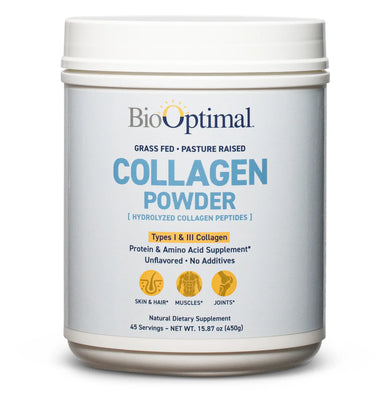
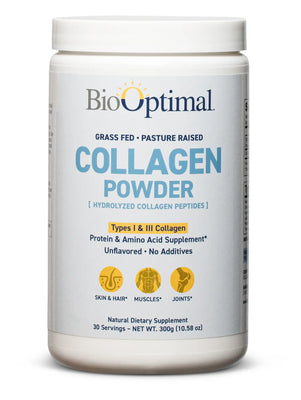
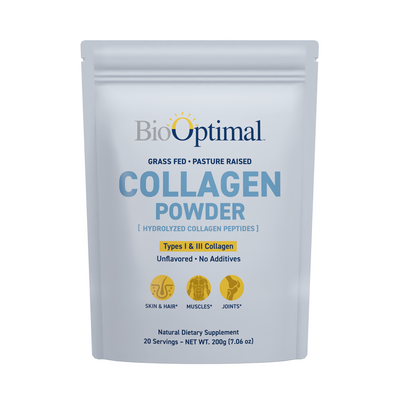
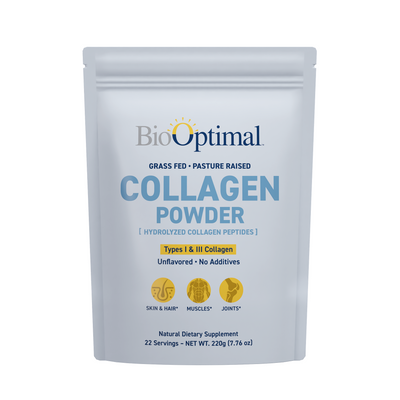
Hydrolyzed collagen powder mixes into water, coffee, tea, or a smoothie. It dissolves instantly when the powder is properly hydrolyzed and contains no fillers. On an empty stomach, powder offers the fastest transit because it is already in liquid form when it reaches the stomach. This is the most common format and the easiest for habit-building (the morning coffee scoop). Recommended starting dose is 10 to 20 grams (typically one or two scoops) once daily.
Collagen Capsules
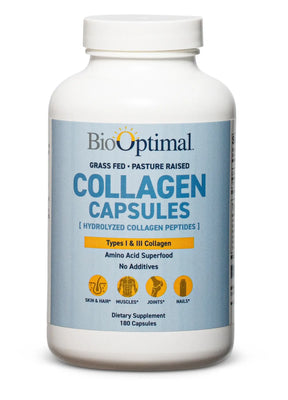
Capsules are convenient and travel-friendly, but they take slightly longer to break down on an empty stomach because the capsule shell must dissolve first. This is not a problem; it simply means the peptides reach the small intestine a few minutes later. The trade-off is dose accuracy and portability. Capsules are ideal for travel or work environments where mixing powder is impractical. Typical dose is 3 to 6 capsules daily, depending on the product.
Multi-Collagen (Types I, II, III, V, X)
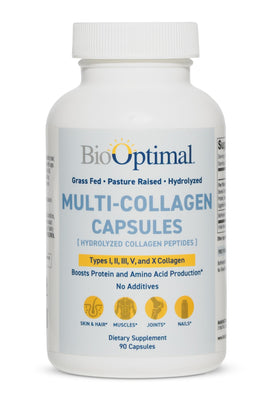
Multi-collagen products combine several collagen types from bovine, chicken, and eggshell sources. On an empty stomach, multi-collagen behaves similarly to single-source Type I and III collagen in terms of absorption. The advantage is broader coverage: Type I and III for skin, hair, nails, and bones; Type II for joint cartilage; Types V and X for connective tissue and bone development. If your goals span multiple categories (for example, skin and joints together), multi-collagen capsules are a strong choice.
Marine vs. Bovine on an Empty Stomach
Marine collagen absorbs slightly faster than bovine on an empty stomach due to smaller peptide size, but the difference is minor. Marine collagen is suitable for pescatarians but should be avoided by anyone with a fish allergy. Bovine collagen sourced from grass-fed, pasture-raised cattle delivers a cleaner Type I and III profile and is the most common choice for broad-spectrum benefits.
Drug and Supplement Interaction Timing
This is where empty-stomach collagen timing matters most. Collagen is a protein, and several common medications and supplements have absorption windows that protein-rich supplements can interfere with. Spacing them out is straightforward but important.
Thyroid medication (levothyroxine, Synthroid, NDT)
Thyroid medications must be taken on an empty stomach for full absorption, and high-protein supplements can reduce that absorption significantly if taken together. The standard protocol is to take thyroid medication first thing on an empty stomach, wait 30 to 60 minutes for absorption, eat breakfast, then take collagen at least 4 hours after the medication. If you take levothyroxine at 7 AM, your collagen scoop fits naturally around 11 AM or with lunch.
Calcium and iron supplements
Both compete with collagen for absorption pathways. Space these supplements at least 2 hours apart from your collagen dose. A common approach is collagen in the morning, iron in the late afternoon with vitamin C, and calcium with dinner.
Proton pump inhibitors (omeprazole, Prilosec)
PPIs reduce stomach acid, which is part of how your body breaks down protein. If you take a PPI, your body may digest collagen slightly less efficiently. Taking collagen later in the day, after the medication has been processed, can help. Hydrolyzed collagen is more forgiving of low stomach acid than intact protein because it is already pre-digested.
Blood thinners (warfarin)
Collagen itself does not directly interact with anticoagulants, but some collagen products contain added vitamin K (especially marine and multi-collagen formulations), which affects clotting. If you are on warfarin, check the label and discuss with your doctor before starting.
Pregnancy and breastfeeding
Collagen is generally considered safe, but research during pregnancy and lactation is limited. Consult your healthcare provider before starting any supplement during pregnancy or while nursing.
First-Week Onboarding Protocol (For Sensitive Stomachs)
If you have never taken collagen before, or if you have a sensitive digestive system, ramping up gradually prevents the mild bloating, nausea, or heaviness that some people experience during their first week. This protocol works for most users.
Days 1-3: Start small with food
Take a half-scoop (5 grams) of collagen powder, or 1-2 capsules, mixed into a small breakfast like oatmeal, yogurt, or a smoothie. This buffers the protein and slows digestion, reducing the chance of digestive discomfort.
Days 4-7: Increase to full dose with food
Move to a full scoop (10 grams) or 3 capsules, still with breakfast. Drink an extra glass of water with the dose. Collagen is hydrophilic, meaning it attracts water in the digestive system, so adequate hydration matters.
Week 2: Transition to empty stomach
If you tolerated the first week well, move the dose to first thing in the morning on an empty stomach. Take it with 8 to 12 ounces of plain water, black coffee, or herbal tea. Wait 15 to 30 minutes before eating breakfast.
Ongoing: Monitor and adjust
Most people see no digestive issues at full empty-stomach dosing after week 2. If bloating returns at any point, take a small snack alongside the collagen, increase your daily water intake by 16 to 20 ounces, or temporarily reduce the dose. The body almost always adjusts within a few days.
When to stop and consult a provider
Persistent nausea, allergic reaction, prolonged digestive issues beyond two weeks, or any unusual symptoms warrant stopping use and contacting your healthcare provider. Symptoms during pregnancy or in combination with new prescription medications should also prompt a check-in.
Quality and Sourcing: What Matters for Empty-Stomach Use
When you take collagen on an empty stomach, you absorb everything in the product faster, including any fillers, additives, or contaminants. Quality matters more for empty-stomach use than for with-food use. Look for these signals on the label and Certificate of Analysis.
Single-ingredient formula. A quality collagen powder contains only hydrolyzed collagen peptides with no fillers, binders, sweeteners, or artificial flavors. The ingredient label should be one line long.
Grass-fed, pasture-raised sourcing. Bovine collagen sourced from grass-fed, pasture-raised cattle delivers a cleaner amino acid profile and avoids hormone and antibiotic residues. The label should explicitly state grass-fed and pasture-raised.
Double hydrolyzed. Double hydrolyzation produces smaller peptides that absorb faster and dissolve more completely. This matters on an empty stomach where dissolution speed affects transit time.
Third-party heavy metal testing. Collagen sourced from animals can occasionally carry trace heavy metals (lead, arsenic, mercury, cadmium). Reputable producers publish third-party Certificates of Analysis confirming low or non-detectable levels.
Non-GMO, no allergens. Look for products free from common allergens (gluten, dairy, soy, fish, peanuts, yeast) and Non-GMO sourcing. This matters more for sensitive consumers taking on an empty stomach.
GMP-certified facility. Good Manufacturing Practices certification ensures consistent quality from batch to batch. US-produced GMP-certified products carry stricter standards.
Type identification. Quality producers specify whether the product is Type I and III hydrolyzed collagen peptides (most common) or Multi-Collagen (Types I, II, III, V, X). Match the type to your goal.
Frequently Asked Questions
1. What is considered an empty stomach?
An empty stomach means at least two to three hours since your last meal, so the food has cleared into your small intestine. First thing in the morning before breakfast is the most common empty-stomach window. Plain water, black coffee, and herbal tea do not count as breaking the empty-stomach state for collagen purposes.
2. How long should I wait after taking collagen to eat?
Wait 15 to 30 minutes after taking collagen for the fastest possible absorption. This gives the liquid-mixed peptides time to pass from your stomach into your small intestine, where absorption occurs. Waiting is not required, however; eating immediately afterward or mixing collagen directly into your meal still delivers full long-term results.
3. Does coffee count as an empty stomach when taking collagen?
Yes. Black coffee contains virtually no calories, protein, or fat, so taking collagen in black coffee is functionally the same as taking it on an empty stomach. The heat of coffee does not damage the peptides. If you add large amounts of cream, butter, or sugar, the drink becomes a mixed meal, but the collagen still absorbs efficiently.
4. Does collagen break a fast or break intermittent fasting?
Strictly speaking, yes. Collagen contains around 35 to 40 calories and 10 grams of protein per typical 10-gram scoop, which technically breaks a water-only fast. For 16:8 intermittent fasting focused on calorie restriction, this is rarely a meaningful issue. For autophagy-focused or strict insulin-sensitivity fasting, save collagen for your eating window.
5. Can I take collagen with thyroid medication on an empty stomach?
Not at the same time. Take thyroid medication (levothyroxine, Synthroid, NDT) first on an empty stomach, wait at least 4 hours, then take your collagen. Protein supplements can significantly reduce thyroid medication absorption if taken together. The 4-hour spacing rule prevents this interference.
6. Should I take collagen powder or capsules on an empty stomach?
Both work effectively. Powder mixed into water or coffee absorbs slightly faster because it is already in liquid form when it reaches the stomach. Capsules take a few extra minutes to break down but offer better dose accuracy and portability. Total absorption is similar over the long term. Choose the format you will actually take consistently.
7. Why does my stomach hurt after taking collagen?
Mild bloating or heaviness after empty-stomach collagen usually means one of three things: the dose is too high for your current tolerance, you are not drinking enough water (collagen attracts water in the gut), or your stomach is particularly sensitive to concentrated protein. Try halving the dose, drinking more water, or taking it with a small snack.
8. How much collagen should I take on an empty stomach?
The typical effective dose is 10 to 20 grams of collagen powder daily, or 3 to 6 capsules depending on the product. For empty-stomach use, start at 5 grams (half a scoop) or 1 to 2 capsules to assess tolerance, and titrate up over the first week. Most clinical research shows benefits at 10 to 15 grams daily.
The Bottom Line
Taking collagen on an empty stomach is safe, effective, and the easiest way to build a daily habit for most people. The science supports it, the practical considerations favor it, and the only real friction is the small minority of users with digestive sensitivity (which the first-week protocol resolves). Match your timing to your goal, mind the medication interaction windows, choose a clean third-party tested product, and stay consistent. Results compound over 8 to 12 weeks of daily use.