

Louis's takeaways:
Table of Contents:
- Does Collagen Help with Cellulite?
- What Cellulite Is and Why It Appears
- How Collagen Peptides May Support Smoother-Looking Skin
- What the Research Says About Collagen for Cellulite
- The Realistic Results Framework
- Collagen Powder vs Cream for Cellulite
- What Type of Collagen Is Best for Cellulite?
- How to Use Collagen as Part of a Cellulite Support Routine
- Safety and Who Should Be Careful
- Collagen for Cellulite FAQ
Collagen for cellulite means using collagen peptides to support skin structure, firmness, and elasticity so cellulite may look less noticeable over time. It is not a cure for cellulite or a fat-loss treatment. The best evidence supports gradual improvement in skin appearance when collagen is used daily for several months.
Does Collagen Help with Cellulite?
Collagen may help improve the appearance of cellulite for some people, but it should be viewed as skin support rather than a direct cellulite treatment. Cellulite forms below the skin, while collagen helps support the skin’s structure. That difference matters because stronger-looking skin can make dimpling look softer, but it does not remove the deeper causes of cellulite.
The most useful way to explain collagen for cellulite is this: collagen peptides may support dermal density, skin elasticity, and firmness. When the skin looks firmer and better hydrated, uneven texture can appear less visible. This is why collagen can be part of a body-care plan, especially for people who already use nutrition, movement, and skincare to support their skin.
The claim should stay realistic. Collagen does not dissolve fat, break down fibrous bands, or erase genetic factors. It may help the skin look smoother over time, but results vary based on age, body composition, diet, activity level, hormone changes, and consistency.
What Cellulite Is and Why It Appears
Cellulite is the dimpled or uneven skin texture that most often appears on the thighs, hips, buttocks, and abdomen. It happens when subcutaneous fat presses against connective tissue under the skin. The surface may look rippled because the tissue underneath does not pull or expand evenly.
Cellulite is common and not a sign of poor health. It can appear in people with different body weights, fitness levels, and eating patterns. Genetics, hormones, skin thickness, age, circulation, and body composition can all play a role. As skin naturally loses collagen and elastin with age, cellulite may become more visible because the skin has less firmness and bounce.
This is why collagen gets attention in cellulite conversations. The issue is not only fat under the skin. Skin strength, connective tissue, dermal density, and surface texture all affect what a person sees in the mirror. A supplement that supports skin structure may help the surface look better, even though it does not change every factor behind cellulite.
How Collagen Peptides May Support Smoother-Looking Skin
Collagen is one of the main structural proteins in the body. It helps support skin, connective tissue, tendons, bones, and other tissues. In skin, collagen works with elastin and the extracellular matrix to help maintain firmness, strength, hydration, and smoothness.
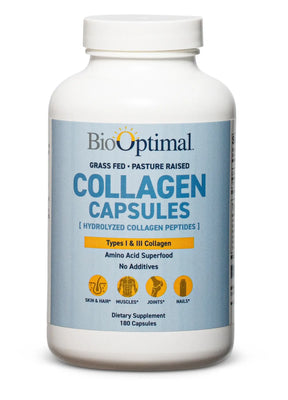
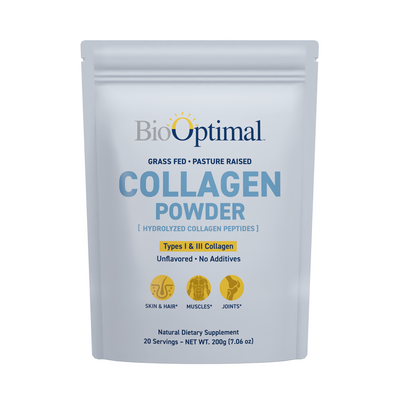
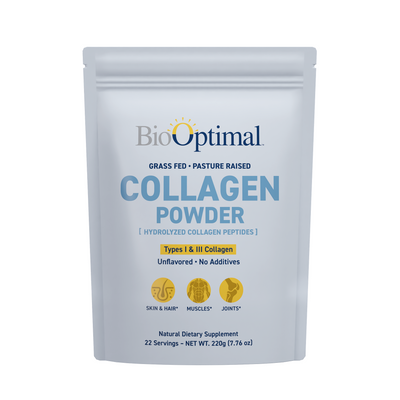
Collagen peptides are smaller broken-down pieces of collagen protein. They are usually used in powders, capsules, or drinks because they are easier to mix and digest than whole collagen. Hydrolyzed collagen and collagen peptides are often used to describe this supplement form.
For cellulite, the most relevant idea is not that collagen reaches one exact dimple and fixes it. The better explanation is that consistent collagen peptide intake may support the skin environment over time. That may include better skin elasticity, improved hydration, firmer skin feel, and stronger dermal structure. When those skin qualities improve, cellulite may look less pronounced.
Collagen also contains amino acids such as glycine, proline, and hydroxyproline. These amino acids are part of collagen formation, but the body still decides how to use them. That is why collagen should be paired with enough total protein, vitamin C-rich foods, hydration, and a steady routine rather than treated as a stand-alone shortcut.
What the Research Says About Collagen for Cellulite
The strongest cited study for collagen and cellulite looked at specific bioactive collagen peptides taken daily for six months. The study included women aged 24 to 50 with moderate cellulite. Participants took 2.5 grams of collagen peptides each day or a placebo, and researchers measured cellulite degree, skin waviness on the thighs, and dermal density.
The results showed a statistically significant decrease in cellulite degree and reduced thigh skin waviness in the collagen peptide group. The study also reported improved dermal density. The findings were stronger in normal-weight women, which is important because body composition and BMI may influence visible results.
This evidence is useful, but it should be interpreted carefully. The study does not prove that every collagen product will deliver the same result. It also does not show that collagen removes cellulite. It supports a more careful claim: daily collagen peptides may help improve certain measures linked with cellulite appearance, especially when used consistently for months.
A later skin-focused collagen study also supports the broader idea that collagen supplementation can improve skin hydration, elasticity, roughness, and density. That does not make it a cellulite cure, but it does strengthen the logic for using collagen as a skin-support ingredient.
The Realistic Results Framework
This is the section BioOptimal should own because many cellulite articles fail here. People want to know what will actually happen if they take collagen. The honest answer is that collagen may make cellulite look less visible, but it will not remove cellulite completely.
Think of results in three layers. The first layer is skin quality. Collagen may support firmness, hydration, and elasticity. This is where the strongest supplement argument exists. The second layer is body composition. Resistance training, protein intake, and a stable body weight can change how the thighs and glutes look, which may affect cellulite visibility. The third layer is structural cellulite. Fibrous bands, genetics, hormones, and fat distribution can still create dimpling even when the skin is healthy.
A realistic timeline is also important. Some people may notice changes in skin texture within 8 to 12 weeks, but the main cellulite study used a six-month period. For this keyword, the safest guidance is to frame collagen as a daily habit that may need at least three to six months before a person can judge visible changes.
Here is a practical decision framework:
|
User Goal |
Can Collagen Help? |
What Else Matters |
|
Improve skin firmness |
Yes, collagen peptides may support firmness and elasticity over time. |
Use daily, eat enough protein, include vitamin C-rich foods. |
|
Reduce visible dimpling |
Possibly, if skin quality improves and the person is consistent. |
Resistance training, hydration, and stable body composition can support the result. |
|
Remove cellulite completely |
No, this is not a realistic collagen claim. |
Cellulite is affected by connective tissue, genetics, hormones, and fat distribution. |
|
Replace clinical treatments |
No, collagen is a supplement, not a procedure. |
A dermatologist or qualified provider can explain in-office options. |
Collagen Powder vs Cream for Cellulite
Collagen powder and collagen cream work in different ways. Collagen powder is taken orally and provides collagen peptides that the body digests into amino acids and smaller peptide fragments. This makes it better suited for whole-body skin support. Collagen cream is applied to the skin, but collagen molecules are generally too large to rebuild deeper skin structure from the outside.
That does not mean body creams are useless. A cream may improve the feel of the skin through hydration, massage, caffeine, retinol, or other topical ingredients. This can temporarily make the skin look smoother. But when the user is asking about collagen for cellulite, oral collagen peptides usually fit the evidence better than topical collagen alone.
A clear recommendation is to use collagen powder for long-term skin support and body lotion or cream for surface hydration. The two can be used together, but they should not be presented as equal solutions.
What Type of Collagen Is Best for Cellulite?
For cellulite-related skin support, hydrolyzed collagen peptides are the most practical form. They mix easily into drinks, coffee, smoothies, or recipes, and they match the type of supplement form used in many skin studies. Type I and Type III collagen are commonly discussed for skin because they are associated with structure, firmness, and elasticity.
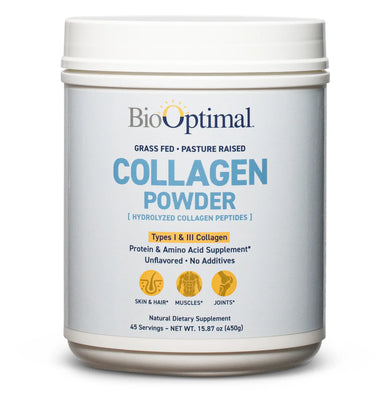
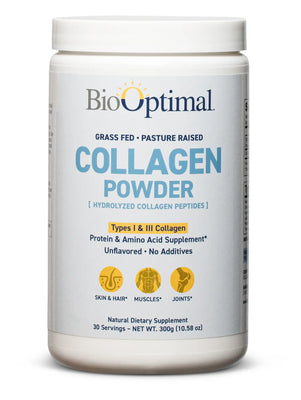
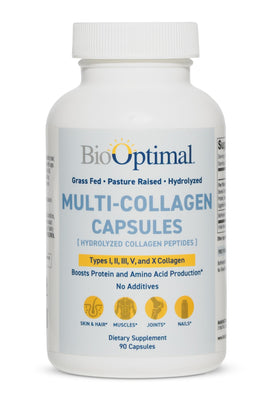
Bovine collagen is commonly rich in Type I and Type III collagen, which makes it a strong fit for skin, hair, nails, joints, and connective tissue support. Marine collagen is also often used for skin-focused supplements, mainly because it is usually Type I collagen. The best choice depends on diet preference, sourcing, taste, testing, and how consistently the person will use it.
The label matters more than broad marketing terms. Look for hydrolyzed collagen peptides, clear serving size, transparent sourcing, third-party testing where available, and simple ingredient lists. For BioOptimal, this section should connect product education to quality, not promise that one scoop will erase cellulite.
How to Use Collagen as Part of a Cellulite Support Routine
A simple routine works better than a complicated one. First, take collagen daily at a serving size that matches the product label. The key is consistency, not timing. Morning coffee, a smoothie, oatmeal, or an evening drink can all work if the habit is easy to repeat.
Second, pair collagen with enough total protein. Collagen is useful, but it is not a complete dietary protein. The body still needs a broader amino acid supply from foods such as eggs, dairy, fish, poultry, legumes, tofu, or other protein sources that fit the person’s diet.
Third, support the skin from multiple angles. Vitamin C-rich foods help normal collagen formation. Hydration supports skin appearance. Strength training can improve muscle tone under the skin, especially in the thighs and glutes. Sleep and not smoking also matter because collagen breakdown is affected by lifestyle.
Fourth, give the routine enough time. A fair trial is usually three to six months. Take photos in the same lighting every four weeks if tracking appearance matters. Cellulite changes are subtle, and daily mirror checks can make progress harder to judge.
Safety and Who Should Be Careful
Collagen supplements are generally well tolerated by many adults, but they are not right for everyone. People who are pregnant, breastfeeding, managing a medical condition, taking prescription medication, or dealing with food allergies should ask a qualified healthcare professional before using a new supplement.
Source also matters. Marine collagen may not suit people with fish allergies. Bovine collagen may not suit certain dietary preferences. Flavored formulas may contain sweeteners or extra ingredients some users prefer to avoid. A simple collagen peptide powder with clear labeling is often easier to evaluate.
The safest claim for this article is that collagen may support smoother-looking skin over time. Avoid language such as “cures cellulite,” “melts fat,” “removes dimples,” or “treats cellulite.” Those claims are too strong for the available evidence and may reduce trust.
Collagen for Cellulite FAQ
1. Does collagen help with cellulite?
Collagen may help improve the appearance of cellulite by supporting skin firmness, elasticity, and dermal density. It does not remove cellulite or change every cause behind it. Results are more realistic when collagen is used daily for several months with enough protein, hydration, and strength training.
2. How long does collagen take to work for cellulite?
A fair timeline is three to six months. The key cellulite study used 2.5 grams of collagen peptides daily for six months. Some people may notice smoother-looking skin earlier, but cellulite appearance changes slowly and depends on age, body composition, skin thickness, and consistency.
3. What type of collagen is best for cellulite?
Hydrolyzed collagen peptides are the most practical choice because they are easy to mix and commonly used in skin-focused studies. Type I and Type III collagen are often discussed for skin support. Bovine collagen usually provides both, while marine collagen is often mainly Type I.
4. How much collagen should you take for cellulite?
The most cited cellulite study used 2.5 grams of specific bioactive collagen peptides daily. Many collagen powders provide larger servings, often based on general skin, hair, nail, or joint support. Follow the product label and ask a healthcare professional if you have medical concerns.
5. Can collagen get rid of cellulite completely?
No. Collagen should not be positioned as a way to get rid of cellulite completely. It may help the skin look firmer and smoother, but cellulite is also affected by connective tissue, genetics, hormones, fat distribution, and body composition.
6. Is collagen powder better than collagen cream for cellulite?
Collagen powder has better support for internal skin structure because it provides collagen peptides that are digested and used by the body. Collagen creams may improve surface hydration and temporary smoothness, but topical collagen alone is unlikely to rebuild deeper dermal structure.
7. Is collagen safe to take for cellulite?
Collagen is generally well tolerated by many adults, but safety depends on the person and the product. Check the source, serving size, allergens, and added ingredients. Pregnant or breastfeeding users, people with medical conditions, and those taking medication should ask a qualified professional first.
8. Can you combine collagen with other cellulite treatments?
Yes, collagen can be part of a broader skin and body-care routine. It may be paired with hydration, strength training, balanced protein intake, massage, topical skincare, or professional treatments. Keep expectations realistic because each option works differently and results vary.