

Louis's takeaways:
Liquid collagen is not better than powder collagen in terms of absorption or effectiveness. Both forms use hydrolyzed collagen peptides with similar bioavailability. The real differences lie in collagen dose per serving, ingredient purity, cost, and lifestyle fit- not which form is "superior."
Table of Contents:
- What Is the Difference Between Liquid Collagen and Powder?
- Is Liquid Collagen Really Better Absorbed? (The Bioavailability Myth)
- Liquid Collagen vs. Powder- Side-by-Side Comparison
- Which Collagen Format Is Right for You?
- What to Look for in a Quality Collagen Supplement
- How Much Collagen Should You Take Per Day?
- Frequently Asked Questions
Walk into any supplement store or scroll through any wellness feed, and you will encounter a growing argument- liquid collagen versus powder collagen. Brands selling liquid products claim faster absorption and greater bioavailability. Powder advocates counter with higher dosage and cleaner ingredients. Neither camp is telling the full story.
This article cuts through the marketing noise. We will examine what the science actually says about absorption, break down the real differences between these two formats, and give you a practical decision framework so you can choose the collagen supplement that actually fits your goals - not just the one with the best packaging.
What Is the Difference Between Liquid Collagen and Powder?
Before comparing the two, it helps to know what they actually are- and where they come from.
Collagen is the most abundant protein in the human body, making up roughly one-third of total protein content. It provides structure to the skin, bones, tendons, ligaments, joints, and gut lining. From our mid-20s onward, the body's natural collagen production begins to decline at a rate of approximately 1% per year, leading over time to the familiar signs of aging- fine lines, joint stiffness, thinning hair, and weakening nails.
Collagen supplements- whether liquid or powder- do not deliver collagen intact to target tissues. Instead, both formats contain hydrolyzed collagen- collagen protein that has been broken down through a process called hydrolysis into shorter chains of amino acids known as collagen peptides. These smaller molecules are far easier for the body to absorb and use than whole collagen proteins.
Here is the key fact most brands do not advertise- liquid collagen supplements are made from collagen powder. Manufacturers dissolve hydrolyzed collagen peptides in water or another liquid base, add stabilizers, flavorings, vitamins, and preservatives, and bottle the resulting product. In other words, liquid collagen is simply powder that has already been mixed with a longer ingredient list and a higher price tag attached.
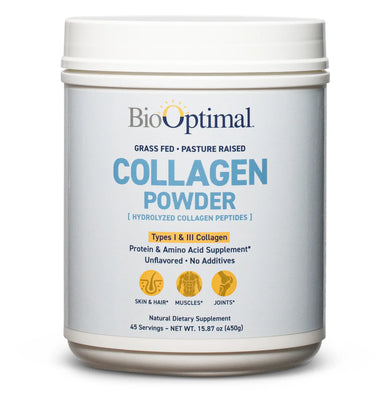
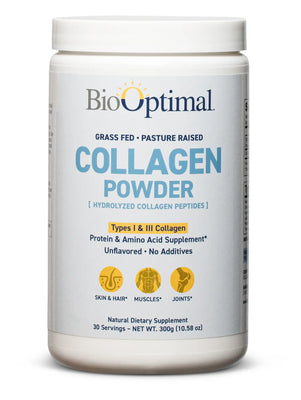
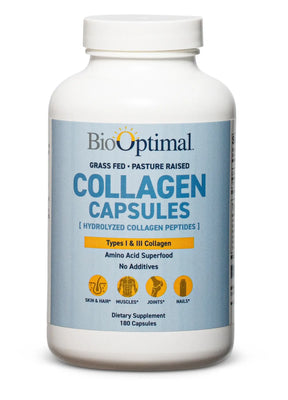
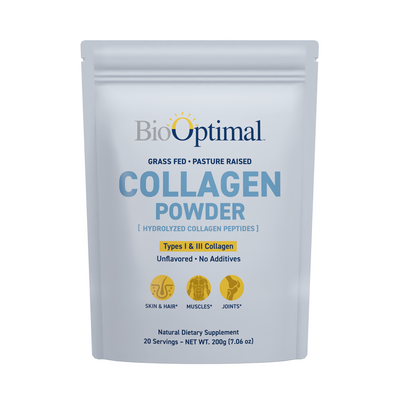
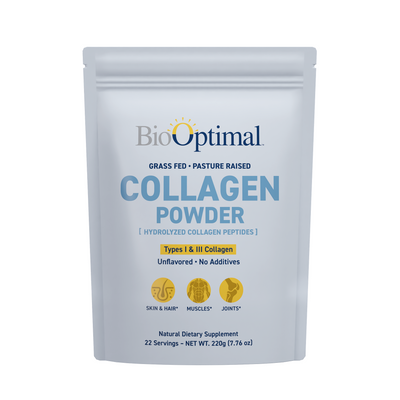
Collagen supplements come in several types, most commonly Types I and III (found in skin, hair, nails, and connective tissue) and Type II (found in cartilage and joints). High-quality collagen powders sourced from grass-fed, pasture-raised bovine typically provide Types I and III in concentrated form with no additional ingredients.
Is Liquid Collagen Really Better Absorbed? (The Bioavailability Myth)
This is the claim you will see repeated across liquid collagen marketing- "liquid collagen is more bioavailable" or "liquid collagen is absorbed up to 90% faster." It sounds compelling. The available evidence does not support it.
Bioavailability in collagen supplements is not determined by whether the product is liquid or powder. It is determined by whether the collagen has been hydrolyzed. The hydrolysis process- breaking whole collagen proteins down into peptides- is what makes collagen absorbable by the body. Both liquid and powder collagen supplements undergo this same hydrolysis process.
Once collagen reaches peptide form, it behaves identically in the digestive system regardless of whether it was delivered in a pre-dissolved liquid or mixed into water from powder. The small intestine absorbs the peptides in either case. There is no peer-reviewed clinical study demonstrating a meaningful difference in collagen absorption between liquid and powder formats when both use hydrolyzed collagen peptides.
EXPERT INSIGHT- Multiple registered dietitians and naturopathic practitioners note that while liquids in general may pass through the stomach slightly faster than powders, collagen is not a fast-acting supplement like a pain reliever. Long-term consistency with adequate daily dosage- not marginal differences in transit time- is what drives results.
The real bioavailability variable is hydrolysis quality. Look for products that list "hydrolyzed collagen peptides" on the label. Some premium powders use a double-hydrolysis process, which produces smaller peptide chains for even more efficient absorption. The delivery vehicle- liquid versus powder- is not what moves the needle.
Liquid Collagen vs. Powder- Side-by-Side Comparison
Setting aside the bioavailability myth, there are genuine practical differences between the two formats that should inform your decision.
|
Factor |
Liquid Collagen |
Collagen Powder |
|
Collagen per Serving |
4-10g per serving (typical) |
10-20g per serving (typical) |
|
Bioavailability |
Equivalent- if hydrolyzed |
Equivalent- if hydrolyzed |
|
Ingredients |
Often includes preservatives, stabilizers, flavorings, added sugars, vitamins |
Single-ingredient options available (pure hydrolyzed collagen peptides) |
|
Shelf Life / Stability |
Requires refrigeration after opening- shorter shelf life- preservatives needed |
Shelf stable- no refrigeration required- no preservatives needed |
|
Cost per Gram of Collagen |
Higher- paying for packaging, manufacturing, and additives |
Lower- more collagen per dollar spent |
|
Versatility |
Ready to drink- limited use cases |
Mixes into coffee, smoothies, soups, baked goods- hot or cold |
|
Heat Stability |
Variable- depends on formulation |
High-quality hydrolyzed peptides are heat-stable up to ~300°F |
|
Sourcing Transparency |
Often, less clear multi-ingredient formulas obscure sourcing |
Easier to verify- single-ingredient products with grass-fed labeling |
|
Third-Party Testing |
Less common- additives complicate the testing scope |
More common- single-ingredient products are easier to test and certify |
Which Collagen Format Is Right for You?
SERP GAP SECTION- No competitor page provides this decision framework. This section is BioOptimal's primary differentiation angle.
The question is not which format is "better" in the abstract- it is which format is better for you, based on your goals, daily habits, budget, and health context. Use the framework below to make that call.
Choose Powder If-
- You want the highest collagen dose per serving. Clinical research on collagen benefits- including skin elasticity improvements (2.5-10g/day) and joint support (10-15g/day)- was conducted predominantly using powder-based supplements. To reliably hit therapeutic dosage ranges, powder is the more practical choice.
- You want a clean, single-ingredient supplement. If you are managing a health condition, following a specific diet, or simply want to avoid unnecessary additives, a single-ingredient hydrolyzed collagen powder gives you full control over what you are consuming.
- You are budget-conscious. Gram for gram, collagen powder consistently delivers more collagen for your money. Liquid products carry a significant premium for the convenience of pre-mixing.
- You have gut sensitivity or digestive concerns. Single-ingredient powders avoid the preservatives, emulsifiers, and added sugars present in many liquid products- ingredients that can cause digestive discomfort in sensitive individuals.
- You prefer flexible use. A flavorless, hydrolyzed collagen powder dissolves in hot coffee, cold smoothies, soups, sauces, and baked goods without altering taste or texture.
- You value sourcing transparency. Grass-fed, pasture-raised, third-party tested bovine collagen is far easier to verify in a single-ingredient powder than in a multi-ingredient liquid formula.
Consider Liquid Collagen If-
- You genuinely will not take a supplement consistently unless it requires zero preparation. Consistency matters more than format. If pre-mixed convenience is the only way you will commit to a daily routine, a liquid product is better than no collagen at all.
- You have difficulty swallowing pills or mixing powders due to a physical limitation. Liquid supplements offer an accessible delivery method for those with specific swallowing challenges.
- You are already meeting your clinical dosage target through other means and want a convenient top-up. If you are taking 10-15g/day from powder and want an additional 5g on the go, a liquid supplement can supplement rather than replace your primary source.
For most people- particularly those seeking meaningful improvements in skin hydration, joint comfort, hair and nail strength, or gut health- a high-quality, grass-fed, hydrolyzed collagen powder will deliver more collagen per serving, fewer unnecessary ingredients, and better value at every dosage level.
What to Look for in a Quality Collagen Supplement
Whether you choose liquid or powder, not all collagen supplements are created equal. These are the criteria that separate a high-quality product from a marketing exercise.
1. Hydrolyzed Collagen Peptides on the Label
This is non-negotiable. The label must explicitly state "hydrolyzed collagen peptides" or "collagen hydrolysate." Whole collagen proteins are not bioavailable. Only hydrolyzed peptides are absorbable. Products that list simply "collagen" without specifying whether it is hydrolyzed should be avoided.
2. Grass-Fed, Pasture-Raised Sourcing
For bovine collagen (Types I and III), look for certification from grass-fed and pasture-raised producers. This indicates animals raised without confinement in feedlot conditions and without routine antibiotic or hormone use. It also reflects a commitment to sourcing transparency that lower-quality brands typically cannot offer.
3. Third-Party Testing for Heavy Metals and Contaminants
Collagen is derived from animal connective tissue, bone, and skin- parts of the animal that can accumulate environmental contaminants, including heavy metals. Third-party testing by an independent laboratory verifies that the finished product meets safety standards for lead, mercury, cadmium, and other contaminants. Always look for a Certificate of Analysis (CoA) or a statement of third-party testing on the brand's website.
4. Minimal or No Unnecessary Additives
A clean collagen supplement does not need fillers, binders, artificial sweeteners, or preservatives. Single-ingredient products are the easiest to evaluate- if the only ingredient listed is hydrolyzed collagen peptides, you know exactly what you are getting. The FDA does not regulate supplements with the same rigor as pharmaceuticals, leaving label transparency and third-party certification as your primary protections as a consumer.
5. Collagen Type Match for Your Goal
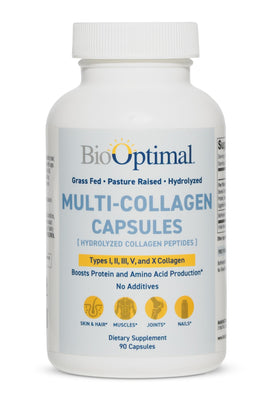
Types I and III collagen (typically bovine or marine-sourced) support skin, hair, nails, and connective tissue. Type II collagen (typically sourced from chicken) is more specifically associated with joint cartilage health. Multi-collagen products containing Types I, II, III, V, and X provide the broadest coverage for whole-body support.
How Much Collagen Should You Take Per Day?
There is no official recommended daily intake for collagen, but the body of clinical research suggests the following dosage ranges based on goal-
|
Goal |
Suggested Daily Range |
Research Basis |
|
Skin hydration and elasticity |
2.5 - 10g per day |
Multiple RCTs, including Proksch et al. (2014) |
|
Joint comfort and cartilage support |
10 - 15g per day |
Shaw et al. (2017)- Clark et al. (2008) |
|
Bone mineral density |
5g per day (long-term) |
Konig et al. (2018) |
|
Muscle support (with resistance training) |
15 - 20g per day |
Shaw et al. (2017) |
|
Hair and nail strength |
2.5 - 5g per day |
Hexsel et al. (2017) |
Consistency over time matters far more than any single variable in the liquid-versus-powder debate. Collagen is not an acute supplement- it takes weeks of consistent daily use for the body to accumulate enough peptides in target tissues to produce measurable results. Choose the format you will actually take every day.
An important note- most liquid collagen products on the market contain 4-10g per serving. To reach the 10-15g daily range recommended for joint support, you would need two to four servings of most liquid products per day- significantly increasing both cost and caloric/additive intake. A single serving of high-quality collagen powder at 10-20g per scoop achieves that target in one step.
Frequently Asked Questions
1. Is liquid collagen absorbed better than powder?
No. Both liquid and powder collagen supplements use hydrolyzed collagen peptides, which means they have undergone the same processing that makes collagen bioavailable. The scientific evidence does not support the claim that liquid collagen is absorbed more efficiently than powder collagen when both contain hydrolyzed peptides. Bioavailability is determined by hydrolysis quality, not by delivery format.
2. What is the difference between liquid collagen and powder collagen?
The primary difference is format and ingredient profile. Powder collagen is hydrolyzed collagen in dry form- typically a single ingredient or close to it. Liquid collagen is hydrolyzed collagen that has been pre-dissolved in water or another beverage base, often with added preservatives, stabilizers, flavorings, and sometimes vitamins or minerals. Powder generally delivers more collagen per serving at a lower cost with fewer additives.
3. How much collagen should I take per day?
Clinical research supports 2.5 to 10 grams per day for skin health benefits, and 10 to 15 grams per day for joint support. Muscle and bone benefits have been studied at doses up to 20 grams per day in combination with resistance training. There is no official recommended daily intake, but consistency over weeks and months is more important than hitting an exact number on any given day.
4. Does liquid collagen have more additives than powder?
In most cases, yes. Because liquid products must remain shelf-stable in bottled form, manufacturers typically add preservatives, emulsifiers, pH stabilizers, and flavorings. Single-ingredient collagen powders contain only hydrolyzed collagen peptides with no additional ingredients. If ingredient purity is a priority- particularly for those with digestive sensitivities or strict dietary protocols- unflavored collagen powder is typically the cleaner option.
5. Can you make liquid collagen from powder?
Yes- and this is exactly what commercial liquid collagen manufacturers do. Hydrolyzed collagen powder dissolves completely in both hot and cold liquids. Mixing a serving of unflavored collagen powder into water, coffee, or a smoothie produces a liquid collagen supplement with higher collagen concentration and fewer additives than most pre-made liquid products, typically at a fraction of the cost.
6. Which form of collagen is better for skin health?
Both forms can support skin health when they contain adequate levels of hydrolyzed collagen peptides. However, the clinical research demonstrating skin elasticity and hydration improvements- including the widely cited Proksch et al. studies- was conducted with collagen peptide powders mixed into water. Powder provides more collagen per serving, making it easier to consistently reach the 2.5-10 g daily range associated with skin benefits in clinical trials.
7. Is liquid collagen worth the extra cost?
For most consumers, no. Liquid collagen products charge a premium for the convenience of pre-mixing, but deliver significantly less collagen per dollar than powder equivalents. A single bottle of liquid collagen, priced at $3 to $5, may contain only 5 to 8 grams of collagen. The same cost in collagen powder typically provides 15 to 20 grams. Unless convenience is your absolute priority, the cost-per-gram comparison strongly favors powder.
8. What should I look for when choosing a collagen supplement?
Look for products that list hydrolyzed collagen peptides as the primary ingredient, are sourced from grass-fed and pasture-raised animals (for bovine collagen), carry third-party testing certification for heavy metals and contaminants, and contain no unnecessary fillers, binders, or artificial additives. Match the collagen type to your goal- Types I and III for skin, hair, and nails- Type II for joints- a multi-collagen blend for comprehensive support. Avoid products that make unsupported absorption claims.