

Louis's takeaways:
Table of Contents:
- How Creatine and Collagen Work Together
- The Combined Benefits- Why You Should Stack Them
- Combined Formula vs. Separate Products- Which Should You Choose?
- How to Take Collagen and Creatine Together- Dosing and Timing
- Safety, Side Effects, and Interactions
- Common Myths & Frequently Asked Questions
- Your Questions Answered
Yes, you can absolutely take collagen and creatine together. These two supplements work through entirely different mechanisms in your body, meaning they won't interfere with each other's absorption or effectiveness. In fact, they complement each other beautifully- creatine fuels your immediate muscle performance while collagen builds the structural foundation that holds everything together. When combined, they have a all-round approach to performance, recovery, and long-term wellness that neither delivers on its own.
How Creatine and Collagen Work Together
To know why combining these supplements is so powerful, it helps to know how each one operates in your body. Creatine is an organic compound essential to your body's energy production system. It's stored primarily in muscle, where it plays a crucial role in energy production by rapidly regenerating ATP (adenosine triphosphate)- the main energy source for short, high-intensity movements like lifting or sprinting. When you supplement with creatine, you increase your muscles' phosphocreatine stores, acting as a rapid energy reserve that allows you to perform more repetitions, lift heavier weights, or maintain intensity for longer periods.
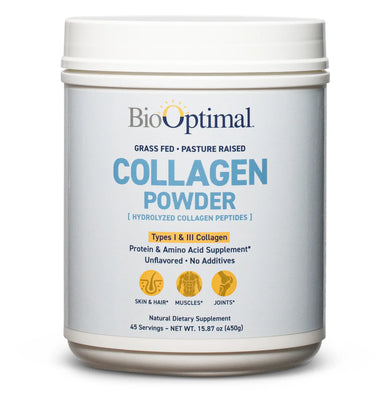
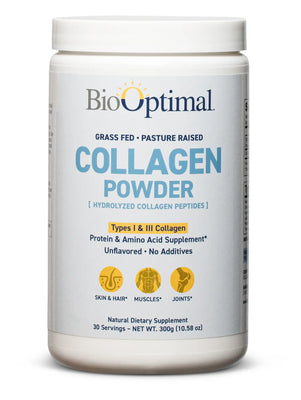
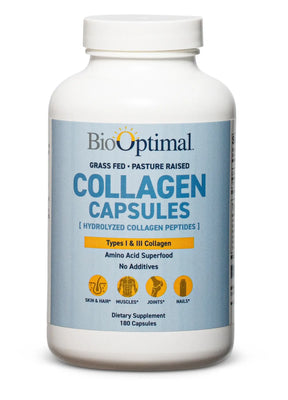
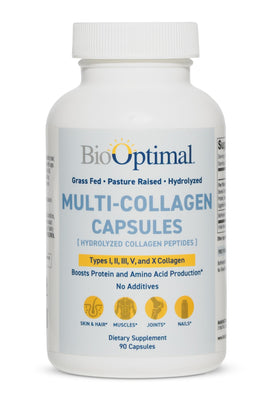
Collagen is a protein in your body that is found in abundance, making up about 30% of your total protein content. It gives structure and strenghten your skin, joints, bones, muscles, tendons, and ligaments. Think of it as the scaffolding that holds everything together. Unlike creatine, which works at the cellular energy level, collagen works at the structural level- providing the specific amino acids (especially glycine, proline, and hydroxyproline) that your body needs to repair and maintain connective tissues.
When you combine them, you address two halves of the performance whole- power and resilience. Creatine ensures your muscles have the energy to perform at their best, while collagen ensures the structures supporting those muscles- tendons, ligaments, cartilage- remain strong and resilient.
The Combined Benefits- Why You Should Stack Them
The synergy between collagen and creatine delivers benefits that go far beyond what each provides on its own. Research shows that when combined effectively, they support-
Muscle Strength and Performance
Creatine supports muscle strength by 5–15% and power output by up to 30%, while collagen supplies the amino acids required in muscle tissue repair and maintenance. Together, they create a cycle of performance and repair.
Joint Health and Mobility
Collagen is the structural foundation of joints, tendons, and ligaments. Creatine supports the muscles that stabilize joints. This combination significantly reduces joint stress and can improve mobility and comfort, particularly for athletes and active individuals.
Better Recovery
Creatine accelerates muscle recovery by providing quick energy to rebuild efficiently. Collagen supplies amino acids for tissue repair. Together, they help you bounce back stronger between training sessions.
Skin Health and Anti-Aging
Collagen maintains skin firmness and elasticity. Creatine supports cellular repair and renewal, helping skin look fresher and more resilient. Many users notice visible improvements in skin quality after 8–12 weeks.
Cognitive Function and Brain Health
Creatine supplies energy to your brain, supporting mental stamina, focus, and resilience. Collagen provides amino acids that support neurotransmitter production and nerve health. Together, they support sharper thinking and sustained focus.
Combined Formula vs. Separate Products- Which Should You Choose?
This is the question most people get wrong because it's rarely discussed honestly. Many supplement companies promote combined formulas because they're convenient to market. But the choice between a combined formula and taking collagen and creatine separately is a real one that affects both cost and results. Here's the truth-
|
Factor |
Combined Formula |
Separate Products |
|
Dosing Flexibility |
Fixed doses (may not match your needs) |
Adjust each independently |
|
Cost |
Usually higher per gram |
Often lower for bulk purchases |
|
Timing Optimization |
Must take together |
Creatine post-workout, collagen flexible |
|
Ingredient Quality Control |
Varies by brand |
Choose premium sources for each |
|
Best For |
Convenience-focused users- beginners |
Serious athletes- optimized protocols |
The verdict- If you're serious about results, separate products give you more control. You can source a premium creapure®-based creatine monohydrate and a high-quality hydrolyzed marine or grass-fed bovine collagen independently, optimizing for both purity and dosing. If convenience is your priority, a combined formula can work- just ensure the brand sources quality ingredients and the dosing aligns with your goals.
How to Take Collagen and Creatine Together- Dosing and Timing
Proper dosing and consistency are crucial for results. Here's what the research shows-
Creatine Monohydrate Dosing
The optimal maintenance dose is 3–5 grams daily. Some athletes use a loading phase of 20 grams per day (divided into 4 doses) for 5–7 days to speed saturation, though this is optional. Loading is not necessary for results- it just gets you there slightly faster.
Collagen Peptides Dosing
Research supports 10–20 grams daily for optimal benefits. Start at 10g if you're new to collagen, and increase to 15–20g if you're targeting aggressive recovery or skin goals.
Timing Strategy
Consistency matters more than perfect timing, but here's what works best: Take creatine with your post-workout meal or in the morning with carbohydrates and protein (carbs improve creatine uptake slightly). Take collagen anytime of day- many prefer it with breakfast or before bed. If taken separately, spacing them a few hours apart is fine.
Mixing Method
Both mix easily into water, coffee, smoothies, or juice. Add creatine first, stirring thoroughly, then add collagen. Warm liquids improve solubility slightly. The key is consistency- make it part of your daily routine so you don't miss doses.
Results Timeline
Expect initial effects from creatine within 1–2 weeks (increased strength and power). Collagen benefits take longer- 4–8 weeks for visible skin improvements, 8–12 weeks for full joint and recovery benefits. Consistency is essential- sporadic supplementation won't deliver results.
Safety, Side Effects, and Interactions
Both collagen and creatine have excellent safety records when used as directed. However, there are a few important considerations-
Hydration
Creatine draws water into muscle cells. Drink minimum of 8–10 glasses of water daily when supplementing with creatine. Dehydration is the most common avoidable side effect.
Kidney Function
Extensive research shows that creatine does not damage kidney function. However, anyone with pre-existing kidney issues or take medications that affect kidney function, should consult a healthcare provider before starting.
Collagen and Blood Thinners
Collagen is high in protein, which theoretically interacts with blood-thinning medications. If you take anticoagulants, inform your healthcare provider, though collagen supplementation is generally considered safe with medical supervision.
Digestive Upset
Some people experience mild bloating or digestive upset when starting collagen, which usually resolves within a few days. Start with 5–10g of collagen and increase gradually.
Sourcing and Purity
Choose creatine monohydrate sourced from reputable suppliers (e.g., Creapure® from Germany is the gold standard). For collagen, marine collagen often offers better bioavailability than bovine collagen, and grass-fed bovine collagen is preferable to conventional sources if choosing animal-derived options. Always look for third-party testing certifications.
Common Myths & Frequently Asked Questions
Myth- Creatine makes you bulky.
False. Creatine draws water into muscles, increasing muscle fullness but not adding fat. Bulk comes from calorie surplus and resistance training- creatine just supports the process.
Myth- You need to cycle off creatine.
False. Neither creatine nor collagen requires cycling. Both can be taken continuously without losing effectiveness or causing negative side effects. Long-term use is safe and may provide cumulative benefits.
Myth- Collagen is just gelatin.
False. Hydrolyzed collagen peptides get disintegrated into smaller molecules with higher bioavailability than gelatin. The hydrolysis process significantly affects absorption.
Your Questions Answered
1. Can you take collagen and creatine together?
Yes, absolutely. They use different transport mechanisms and don't interfere with each other. In fact, combining them creates synergistic benefits for muscle, joint, skin, and overall performance. Thousands of athletes successfully stack these daily with no issues.
2. What is the difference between collagen and creatine?
Creatine is a nitrogen-containing compound that fuels muscle energy production at the cellular level. Collagen is a structural protein that provides amino acids for connective tissue repair. They address different needs- creatine powers performance- collagen builds resilience.
3. What are the benefits of collagen and creatine?
Combined, they support muscle strength (5–15% increase), joint health and mobility, better recovery between workouts, skin elasticity and anti-aging, cognitive function and mental clarity, and overall physical resilience. Benefits vary by individual but typically appear within 2–12 weeks of consistent use.
4. Do collagen and creatine help with muscle growth?
Yes. Creatine supports strength and power output, allowing you to lift heavier and perform more reps, which drives muscle growth. Collagen provides amino acids necessary for muscle tissue repair and recovery. Together, they create an environment for optimal muscle growth when combined with progressive resistance training and adequate protein intake.
5. How much collagen and creatine should I take?
Start with 3–5g of creatine monohydrate daily and 10g of collagen daily. You can increase collagen to 15–20g if targeting aggressive recovery or skin goals. Consistency matters more than dose size, so pick amounts you can maintain daily.
6. What is the best time to take collagen and creatine?
Consistency is more important than timing. Take creatine post-workout or with a meal containing carbs and protein. Collagen can be taken any time- morning, pre-workout, or bedtime all work. If taking separately, space them a few hours apart or combine them as suits your routine.
7. Are collagen and creatine safe for everyone?
Both are generally safe for healthy adults. However, if you have pre-existing kidney conditions, take blood-thinning medications, or are pregnant/nursing, consult your healthcare provider first. Otherwise, both have strong safety profiles with minimal side effects when used as directed.