

Louis's takeaways:
Table of Contents:
- What Happens When You Combine Collagen and Chia Seeds?
- Do Chia Seeds Actually Help Collagen Production?
- The Benefits of Taking Collagen With Chia Seeds
- Which Goals Does This Combination Serve Best?
- Does Chia Seed Fiber Affect Collagen Absorption?
- How Much Collagen and Chia Seeds Should You Take Per Day?
- 3 Easy Ways to Take Collagen With Chia Seeds
- Frequently Asked Questions
Collagen and chia seeds have each earned devoted followings in the wellness world for good reason- but most people taking both simply stir them together in a morning smoothie without knowing why the combination works so well. The nutritional synergy between these two ingredients goes far deeper than convenience.
This guide covers the science of what happens when you combine hydrolyzed collagen peptides with chia seeds, which health goals the pairing serves best, whether chia's high fiber content affects collagen absorption (spoiler- it helps more than it hinders), practical dosage guidance, and three easy recipes you can make tonight.
What Happens When You Combine Collagen and Chia Seeds?
To know why this combination works, it helps to know what each ingredient brings to the table-and how they complement each other at the nutritional level.
Hydrolyzed collagen peptides are broken-down chains of amino acids- primarily glycine, proline, and hydroxyproline- that your body uses as building blocks to produce new collagen in the skin, joints, tendons, and gut lining. Unlike whole collagen protein, hydrolyzed collagen peptides are pre-digested, making them highly bioavailable and easy for the digestive system to absorb and distribute.
Chia seeds (Salvia hispanica) are one of the most nutrient-dense plant foods available. A single one-ounce (28g) serving provides approximately 11 grams of fiber, 5 grams of protein, 9 grams of omega-3 fatty acids (as alpha-linolenic acid, or ALA), and meaningful amounts of zinc, calcium, magnesium, phosphorus, and antioxidant polyphenols.
When combined, these two ingredients do not simply coexist- they actively reinforce each other's benefits. The fiber in chia seeds supports the gut environment, where collagen peptides are absorbed. Omega-3 fatty acids reduce systemic inflammation that degrades collagen. The zinc contributes directly to collagen synthesis. And antioxidants protect existing collagen from oxidative stress. This is nutritional synergy in a practical, everyday format.
Expert Insight- Neither collagen nor chia seeds alone addresses all the conditions needed for optimal collagen health in the body. Collagen peptides supply the amino acid raw materials, but the body also needs anti-inflammatory support, antioxidant protection, and cofactors like zinc to use those materials effectively. Chia seeds provide all three.
Do Chia Seeds Actually Help Collagen Production?
Chia seeds do not contain collagen themselves, but they provide several nutrients that directly support the body's ability to produce and protect itself. This is an important distinction- and one no competitor currently explains.
Omega-3 Fatty Acids (ALA)- Anti-Inflammatory Protection
Chronic low-grade inflammation is one of the primary mechanisms that degrades collagen in the skin and joints over time. The body converts the alpha-linolenic acid (ALA) in chia seeds into EPA and DHA- omega-3 fatty acids with well-documented anti-inflammatory effects. By reducing the inflammatory environment, chia seeds help preserve the collagen your body already has while allowing newly synthesized collagen from supplementation to do its work undisrupted.
Zinc- A Direct Collagen Synthesis Cofactor
Zinc is an essential mineral cofactor in the enzymatic processes that produce collagen. Without adequate zinc, collagen synthesis is impaired regardless of how much collagen protein you consume. Chia seeds provide approximately 1mg of zinc per ounce- a meaningful contribution toward the recommended daily intake of 8-11mg. Pairing a zinc-containing food like chia seeds with a collagen supplement is a practical nutritional strategy, not just a recipe trend.
Antioxidants- Protecting Collagen from Oxidative Stress
Chia seeds contain polyphenol antioxidants, including chlorogenic acid, caffeic acid, quercetin, and kaempferol. These compounds neutralize free radicals- reactive molecules that damage collagen fibers through oxidative stress. UV exposure, pollution, and aging all generate free radicals that break down collagen. Consuming antioxidant-rich foods alongside collagen supplementation helps protect the collagen already in your tissues as your supplement builds a new supply.
The Benefits of Taking Collagen With Chia Seeds
Combining these two ingredients delivers a broader set of benefits than either provides alone. Here is what the research supports-
|
Benefit Area |
Collagen's Contribution |
Chia Seeds' Contribution |
|
Skin health |
Supports skin elasticity, hydration, and reduction of fine lines via collagen peptides (Types I & III) |
Omega-3s reduce skin inflammation- antioxidants protect against UV-induced collagen breakdown |
|
Joint support |
Collagen peptides accumulate in cartilage and support joint cushioning and flexibility |
ALA omega-3s reduce joint inflammation- zinc supports connective tissue repair |
|
Gut health |
Collagen supports the gut lining- glycine and proline are key structural proteins in intestinal tissue |
Soluble fiber feeds beneficial gut bacteria and supports healthy gut motility |
|
Bone strength |
Collagen provides the structural protein matrix of bone- 5g/day shown to support bone mineral density in clinical studies |
Chia seeds provide calcium, magnesium, and phosphorus- the minerals that fill the collagen bone matrix |
|
Weight management |
Collagen protein supports satiety and lean muscle mass when combined with resistance training |
High fiber content slows digestion, reduces hunger signals, and helps stabilize blood sugar between meals |
|
Hair and nails |
Collagen Types I and III provide structural amino acids for keratin production in hair and nails. |
Omega-3s support scalp health- zinc is essential for healthy hair follicle function. |
Which Goals Does This Combination Serve Best?
SERP GAP SECTION- No competitor page provides a goal-based decision framework. This section is BioOptimal's primary differentiation angle.
Collagen and chia seeds together support multiple health goals- but the combination shines differently depending on what you are trying to achieve. Use this framework to know where to focus.
Best for Skin Health
If glowing skin and reduced visible aging are your primary goals, this combination is particularly well-matched. Clinical research supports 2.5 to 10 grams of collagen peptides daily for measurable improvements in skin elasticity and hydration within 4 to 8 weeks. Pair that with 1 to 2 tablespoons of chia seeds daily- their antioxidants and omega-3s reduce the UV and oxidative stress that accelerates skin aging, creating a protective environment for the collagen you are supplementing.
Best for Joint Comfort and Flexibility
For joint support, clinical dosage targets are higher- 10 to 15 grams of collagen daily. Chia seeds provide meaningful anti-inflammatory support through ALA omega-3s, particularly relevant for people with active lifestyles or early-stage joint discomfort. The zinc in chia seeds also supports the repair of cartilage and connective tissue. This goal benefits most from daily, consistent use of both ingredients.
Best for Gut Health
If digestive wellness is the goal, this combination is uniquely powerful. Collagen's glycine and proline support the structural integrity of the gut lining, while chia seeds' soluble fiber feeds beneficial gut bacteria and promotes healthy motility. The two work on complementary layers of the gut- structural support from collagen, microbial environment support from fiber. Start with a smaller chia serving (1 tablespoon) if you are new to high-fiber foods and increase gradually.
Best for Sustained Energy and Weight Management
For those focused on energy levels and maintaining a healthy weight, the collagen-plus-chia combination delivers protein-and fiber-satiety that is difficult to match with other supplement pairings. Collagen protein helps maintain lean muscle mass while reducing appetite signals between meals. Chia's soluble fiber slows gastric emptying and stabilizes blood sugar, preventing the energy crashes that drive midday snacking. Together, they make an ideal addition to the morning meal.
Does Chia Seed Fiber Affect Collagen Absorption?
FULL GAP SECTION- This is the #1 consumer concern about this combination and is completely absent from every competitor page. BioOptimal owns this answer.
This is one of the most common questions about combining these two ingredients- and the concern is understandable. High-fiber foods can slow digestion and, in some cases, affect the timing of nutrient absorption. Here is what you actually need to know.
Hydrolyzed collagen peptides are absorbed primarily in the small intestine through specialized peptide transporters. Because they are pre-broken into short peptide chains through hydrolysis, they are absorbed efficiently and quickly- significantly faster than whole proteins that require full digestion. The fiber in chia seeds works primarily in the large intestine (soluble fiber) and throughout the gut (insoluble fiber) to slow gastric emptying and feed beneficial bacteria.
These two mechanisms operate on different parts of the digestive system and at different speeds. In practical terms- chia seed fiber does not meaningfully block collagen peptide absorption. What fiber does do is create a healthier gut environment overall- and a healthy gut lining, which collagen itself helps maintain, is associated with better overall nutrient absorption.
One practical note- if you have a sensitive digestive system and are new to chia seeds, start with 1 teaspoon (rather than a full tablespoon) and increase gradually over 1 to 2 weeks. Drink adequate water- chia seeds absorb 10-12 times their weight in liquid, and dehydration can cause digestive discomfort. Pre-soaking chia seeds (as in chia pudding) improves their digestibility and reduces the risk of any bloating.
Expert Insight- Taking collagen and chia seeds together in a soaked or pudding format- rather than dry- is the most digestively comfortable approach for sensitive stomachs. The gel-like consistency of soaked chia seeds is gentler on the gut than dry seeds consumed with insufficient liquid.
How Much Collagen and Chia Seeds Should You Take Per Day?
Both collagen and chia seeds have well-established practical dosage ranges. Here is how to combine them effectively-
|
Goal |
Collagen Daily Target |
Chia Seeds Daily |
Timeline for Results |
|
Skin elasticity + hydration |
2.5 - 10g per day |
1 tbsp (15g) |
4 - 8 weeks |
|
Joint comfort |
10 - 15g per day |
1 - 2 tbsp (15-28g) |
8 - 12 weeks |
|
Gut health support |
10g per day |
1 tbsp soaked (15g) |
2 - 4 weeks |
|
Bone support |
5g per day |
1 - 2 tbsp (15-28g) |
6 - 12 months |
|
Weight management + satiety |
10 - 15g per day |
2 tbsp (28g) |
4 - 6 weeks |
A practical starting point for most adults- 10 grams of grass-fed, double-hydrolyzed collagen powder mixed with 1 tablespoon of pre-soaked chia seeds in your preferred liquid base. This hits the clinical threshold for skin benefits, is digestively comfortable for most people, and can be scaled up toward joint or muscle-support dosages over time.
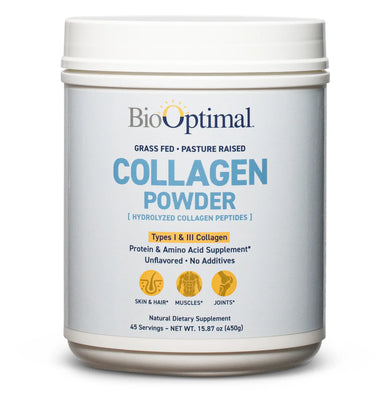
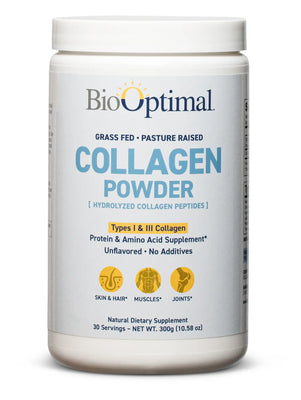
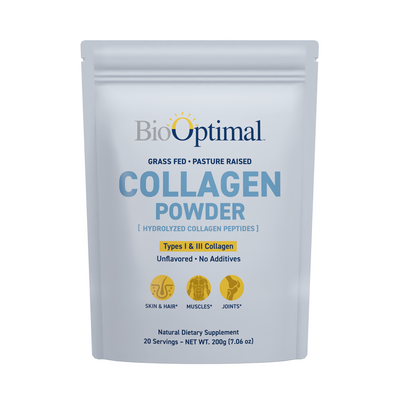
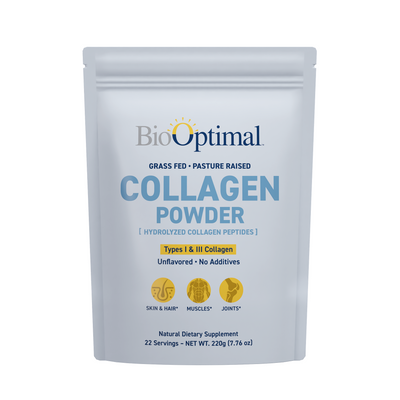
For collagen quality, look for hydrolyzed collagen peptides sourced from grass-fed, pasture-raised bovine- Types I and III for skin, hair, nails, and connective tissue- that are third-party tested for heavy metals and free of fillers, binders, and artificial additives. A single-ingredient collagen powder gives you full dosage control that flavored or multi-ingredient products cannot match.
3 Easy Ways to Take Collagen With Chia Seeds
HowTo schema applies to each recipe below. Implement the HowTo schema for each of the three recipes per Part D instructions.
Recipe 1- Classic Collagen Chia Seed Pudding (Overnight)
The most popular and digestible format. Soaking overnight maximizes chia's gel formation and ensures smooth, easy absorption.
Ingredients-
- 1 cup unsweetened almond milk (or milk of choice)
- 3 tablespoons chia seeds
- 1 scoop (10g) unflavored grass-fed collagen powder
- 1 teaspoon vanilla extract
- 1 teaspoon maple syrup or honey (optional)
Toppings- fresh berries, sliced banana, or a drizzle of nut butter
Instructions-
- In a jar or bowl, whisk together almond milk, collagen powder, and vanilla until collagen is fully dissolved.
- Add chia seeds and stir well to distribute evenly. Add sweetener if using.
- Let sit for 5 minutes, then stir again to prevent clumping.
- Cover and refrigerate for at least 2 hours or overnight.
- Stir before serving and add toppings of choice.
Meal prep tip- Make 3-4 jars on Sunday for a ready-to-go breakfast through midweek. Keeps refrigerated for up to 4 days.
Recipe 2- Collagen Chia Seed Smoothie (5 Minutes)
The fastest format- ideal for mornings when you need collagen and chia in under 5 minutes with no prep.
Ingredients-
- 1 cup frozen mixed berries (blueberries, strawberries, raspberries)
- 1 cup unsweetened coconut milk or almond milk
- 1 scoop (10g) unflavored collagen powder
- 1 tablespoon chia seeds
- 1 handful fresh spinach (optional- no taste impact)
- Ice as desired
Instructions-
- Add all ingredients to a blender.
- Blend on high for 45-60 seconds until smooth.
- Pour and drink immediately. Chia seeds will begin absorbing liquid- drink within 10 minutes for the best texture.
Note- The berry antioxidants in this smoothie add another layer of collagen-protecting compounds, and frozen berries are often higher in antioxidants than fresh. Vitamin C from berries also supports collagen synthesis- an additional synergistic benefit.
Recipe 3- Collagen Chia Overnight Oats
For those who prefer a heartier breakfast format with sustained energy through the morning.
Ingredients-
- 1/2 cup rolled oats
- 1 cup unsweetened almond milk
- 2 tablespoons chia seeds
- 1 scoop (10g) unflavored collagen powder
- 1 tablespoon almond butter or peanut butter
- 1/2 teaspoon cinnamon
- Toppings- sliced apple, chopped walnuts, or fresh berries
Instructions-
- Combine oats, almond milk, chia seeds, collagen powder, nut butter, and cinnamon in a jar.
- Stir thoroughly until collagen is dissolved and all ingredients are combined.
- Cover and refrigerate overnight (minimum 6 hours).
- In the morning, stir well, add a splash of milk if too thick, and top with fruit and nuts.
This version delivers approximately 20-22 grams of combined protein from collagen and oats- making it one of the most protein-complete breakfast formats possible with these ingredients.
Frequently Asked Questions
1. Can you mix collagen powder with chia seeds?
Yes, and the combination is nutritionally beneficial. Collagen powder dissolves completely in both hot and cold liquids, making it easy to mix with chia seeds in puddings, smoothies, overnight oats, and other recipes. There are no negative interactions between collagen peptides and chia seeds- the two complement each other across multiple health goals, including skin, joint, gut, and bone health.
2. Does chia seed fiber affect collagen absorption?
Chia seed fiber does not meaningfully impair collagen peptide absorption. Hydrolyzed collagen peptides are absorbed in the small intestine through specialized peptide transporters, while chia's fiber works primarily in the large intestine. These processes operate on different parts of the digestive system. In fact, chia's soluble fiber supports a healthier gut environment overall, which is associated with improved nutrient absorption. Pre-soaking chia seeds before consuming them with collagen further improves digestive comfort.
3. Do chia seeds help with collagen production?
Yes, indirectly. Chia seeds provide three nutrients that directly support the body's collagen production and protection- zinc (a cofactor in collagen synthesis enzymes), omega-3 fatty acids (which reduce inflammation that degrades collagen), and antioxidant polyphenols (which protect collagen from oxidative stress damage). Chia seeds do not contain collagen themselves, but they create a nutritional environment that helps the body produce and preserve it more effectively.
4. Are there any side effects of taking collagen with chia seeds?
For most adults, combining collagen and chia seeds is well tolerated. The most common issue is digestive discomfort from chia seeds- particularly bloating or gas- if you increase fiber intake too quickly. Start with 1 teaspoon of chia seeds daily and increase gradually over 1 to 2 weeks. Always consume chia seeds with adequate liquid (they absorb 10 to 12 times their weight in water). Collagen peptides are generally safe- mild digestive discomfort is occasionally reported when starting at high doses, which typically resolves within 1 to 2 weeks.
5. Is collagen with chia seeds safe for a sensitive stomach?
Yes, with a few practical adjustments. Pre-soak chia seeds for at least 2 hours (or overnight) before consuming- this allows them to fully absorb liquid and form a gel, which is far gentler on the digestive system than dry chia seeds consumed with insufficient water. Start with a smaller serving (1 teaspoon of chia seeds) and a moderate collagen dose (5 grams) and build up gradually. A single-ingredient, unflavored collagen powder without additives, preservatives, or artificial sweeteners is the cleanest option for sensitive stomachs.
6. How much collagen should I take per day with chia seeds?
Clinical research supports 2.5 to 10 grams of collagen daily for skin benefits, and 10 to 15 grams for joint support. A practical starting point is 10 grams of hydrolyzed collagen powder with 1 tablespoon of chia seeds daily. This combination fits comfortably in a single serving of chia pudding or a smoothie, reaches the clinical threshold for skin benefits, and can be increased toward joint-support dosages over time. Chia seeds are safe for most adults at 1 to 2 tablespoons (15 to 28 grams) daily.
7. What type of collagen works best with chia seeds?
For most goals- skin, hair, nails, and connective tissue- a grass-fed, pasture-raised bovine collagen powder providing Types I and III collagen is the best match. Look for double-hydrolyzed collagen peptides (smaller peptide chains = more efficient absorption), a single-ingredient formula with no fillers or additives, and third-party testing certification for heavy metals and contaminants. An unflavored powder dissolves seamlessly into chia pudding or smoothies without altering taste or texture.
8. How long will it take to see results from taking collagen with chia seeds daily?
Collagen supplementation results depend on goal and consistency. For skin elasticity and hydration, most clinical studies show measurable improvements at 4 to 8 weeks of daily supplementation. Joint comfort improvements typically require 8 to 12 weeks of consistent use. Gut health benefits from the combined fiber and collagen may be noticed within 2 to 4 weeks. Bone mineral density improvements from collagen require longer supplementation- studies use 6- to 12-month protocols. The key factor across all goals is daily consistency.