

Louis's takeaways:
Table of Contents:
Spirulina, a nutrient-dense superfood, has gained popularity for its wide range of health benefits. It is commonly used to support energy, immune health, and overall well-being because it is rich in protein, vitamins, and antioxidants. However, like all supplements, knowing their shelf life and storage requirements is essential. Does spirulina expire? Yes, spirulina does have an expiration date, and proper handling is crucial to maintaining its quality and effectiveness.
This article discusses the factors affecting spirulina’s shelf life, how to recognize when it’s no longer safe to consume, and best practices for storage. Whether you're using spirulina powder or tablets, knowing how to preserve its potency can help you maximize this superfood while avoiding potential health risks. Keep reading to ensure your spirulina remains a safe and effective part of your wellness routine.
What Is Spirulina?
Spirulina is a blue-green algae known for its rich nutritional profile and health-supporting properties. It grows naturally in freshwater and saltwater environments and is widely cultivated for use in supplements and health products. Spirulina is often available in powder or tablet form, making it easy to incorporate into various diets.
A Brief Overview of Spirulina
Spirulina has been consumed for centuries, dating back to the Aztec civilization. Its natural ability to thrive in warm, alkaline water makes it an environmentally sustainable food source. Spirulina is often classified as a "superfood" due to its dense nutrient content. It contains over 50% protein by weight, along with essential amino acids, vitamins, and minerals. It’s also rich in chlorophyll and phycocyanin, which give it its vibrant green-blue color. Today, spirulina is commonly used as a dietary supplement to promote health and wellness.
Nutritional Benefits of Spirulina
Spirulina is a powerhouse of nutrition, offering a variety of health benefits. It’s an excellent source of plant-based protein, making it a popular choice for vegetarians and vegans. It’s also high in B vitamins, iron, and antioxidants like beta-carotene, which support energy production, immune health, and cellular protection. The algae contain essential fatty acids, including gamma-linolenic acid (GLA), which has anti-inflammatory properties. Additionally, spirulina is known to help detoxify heavy metals from the body and may support healthy cholesterol levels. Regular consumption can be a convenient way to boost overall nutrition and maintain optimal health.
Does Spirulina Expire?
Understanding spirulina’s expiration is essential for safe and effective use. Like any supplement, spirulina has a limited shelf life. While spirulina powder and tablets share similar storage principles, their shelf lives differ slightly due to their forms. This section discusses how long each type lasts and the best storage methods.
Shelf Life of Spirulina Powder
Spirulina powder typically has a shelf life of 2-3 years when stored properly. However, heat, light, and moisture exposure can shorten this period. To preserve its freshness, keep the powder in an airtight container and store it in a cool, dark place. Always check the product’s expiration date and look for signs of spoilage, such as changes in smell, color, or texture. Using spirulina past its expiration can diminish its nutritional value and may cause adverse effects. Proper storage ensures the powder remains safe and effective for your health routine.
Shelf Life of Spirulina Tablets
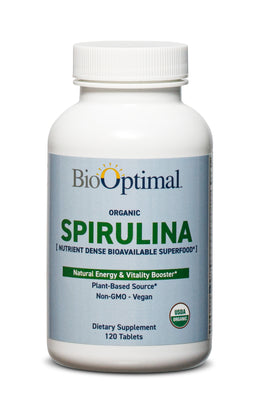
Spirulina tablets tend to have a slightly longer shelf life than powder, often up to 3-4 years. Their compressed form provides better protection against environmental factors like air and moisture. For best results, keep the tablets in their original packaging or an airtight container and store them in a superb, dry location. Always refer to the expiration date on the packaging and discard tablets that show discoloration or an unusual odor. While tablets may seem more durable, they still require careful storage to maintain their potency. Proper handling ensures you get the most out of your spirulina supplements.
Factors That Affect Spirulina’s Shelf Life
Does spirulina expire? Yes, and several factors influence how long it remains fresh and compelling. Packaging, storage conditions, and even the quality of spirulina at purchase play crucial roles. Understanding these factors can help you maximize your supplement’s shelf life and avoid consuming a product that has lost its nutritional value. Below, we highlight key considerations to keep your spirulina safe and potent for longer.
Packaging and Storage Conditions
Proper packaging is vital to preserving spirulina’s quality. Airtight, resealable bags or containers prevent exposure to air and moisture, which can degrade the product. Poor storage conditions, such as leaving spirulina in a humid or poorly sealed environment, can lead to spoilage. Always check for secure packaging when buying spirulina to extend its shelf life. Proper storage ensures your spirulina remains fresh and safe to use.
Importance of Airtight Containers
Airtight containers protect spirulina from moisture and oxygen, which can accelerate its expiration. Exposure to air can cause oxidation, reducing the product’s potency and freshness. Storing spirulina powder or tablets in a tightly sealed container minimizes contamination and extends its shelf life. If the packaging is not airtight, transfer the spirulina to a better container to prevent premature expiration.
The Role of Cool, Dry Storage
Incredible, dry storage plays a significant role in extending spirulina’s shelf life. Heat and humidity can cause spirulina to degrade faster, leading to a loss of nutrients and potential spoilage. Store your spirulina away from direct sunlight, such as in a pantry or cabinet. Maintaining a stable temperature below 77°F (25°C) helps ensure the product stays fresh for its entire shelf life.
Exposure to Light and Heat
Does spirulina expire faster if exposed to light and heat? Absolutely. Prolonged exposure to sunlight and high temperatures can degrade spirulina’s nutrients and compromise quality. To avoid this, store spirulina in a dark, superb location, such as an opaque container or a shaded cupboard. Protecting it from light and heat ensures you can enjoy its full nutritional benefits for longer.
Quality of Spirulina at Purchase
The shelf life of spirulina also depends on the quality of the product when you buy it. High-quality spirulina, sourced from reputable manufacturers, is less likely to spoil quickly. Always check the expiration date, packaging integrity, and any certifications for quality assurance. Starting with a fresh, well-packaged product gives you a better chance of maximizing its shelf life and nutritional value.
Signs That Spirulina Has Gone Bad
Spirulina’s color, texture, smell, and potency can change when it goes bad. Recognizing these signs ensures you discard expired spirulina and maintain your health. Below, we outline the key indicators that spirulina is no longer suitable for use.
Changes in Color and Texture
Fresh spirulina has a vibrant green or blue-green color and a fine, smooth texture. It may have expired if it appears dull, discolored, or clumpy. These changes often indicate exposure to moisture or light, which can degrade its quality. Inspect spirulina powder or tablets for unusual color or texture changes to determine if it’s safe.
Unpleasant Odor
An unpleasant or sour smell is one of the most noticeable signs that spirulina has gone bad. Fresh spirulina has a mild, earthy aroma, while expired spirulina may develop a rancid or off-putting scent. If you detect any unusual odors, it’s best to discard the product. This helps prevent the risks of consuming spoiled spirulina and ensures you only use fresh supplements.
Loss of Nutritional Value
Does spirulina expire and lose its nutrients? Yes. Over time, spirulina's protein, vitamins, and antioxidants degrade, diminishing its effectiveness. If you notice it’s less impactful on your wellness routine or past its expiration date, it may have lost its potency. Using expired spirulina can mean missing out on the full range of benefits it offers. Always prioritize fresh products for optimal nutrition.
How to Store Spirulina Properly
Proper storage is essential to ensure your spirulina stays fresh and compelling for its entire shelf life. Whether you’re using spirulina powder or tablets, following the correct practices can help prevent spoilage and maintain its nutritional value. This section provides storage tips for both forms and highlights common mistakes to avoid to get the most out of your spirulina supplements.
Tips for Storing Spirulina Powder
The following are different ways to store Spurilina Powder:
- Use airtight containers- Store spirulina powder in a tightly sealed jar or bag to protect it from air and moisture.
- Keep it cool and dry- Place the container in a pantry or cabinet away from heat and humidity.
- Avoid light exposure- Use an opaque or dark-colored container to shield the powder from sunlight.
- Seal after every use- Always close the lid securely after scooping.
Tips for Storing Spirulina Tablets
Spirulina tablets can be stored properly in the following way:
- Store in original packaging- If the container is airtight, keep the tablets in their original bottle.
- Use a dry location- Choose a cool, moisture-free space like a cupboard.
- Minimize air exposure- If you transfer tablets to a new container, ensure it is airtight.
- Avoid frequent handling- Touch tablets with clean, dry hands to prevent contamination.
Common Mistakes to Avoid
Here are some of the common mistakes that should be avoided to preserve spirulina supplements:
- Leaving containers open- Spirulina can absorb moisture from the air, leading to spoilage.
- Storing in the fridge- Refrigeration may introduce condensation, which degrades spirulina.
- Placing near heat source- Avoid keeping spirulina near stoves, windows, or other heat sources.
- Ignoring expiration dates- Always check for the expiration date to ensure you consume a safe product.
Extending Spirulina’s Shelf Life
While spirulina has a defined shelf life, following certain practices can help you maximize its freshness and effectiveness. Proper long-term storage methods, using desiccant packs, and understanding whether freezing is appropriate can significantly extend its usability. This section details ways to keep your spirulina safe and potent for an extended period.
Best Practices for Long-Term Storage
Storing spirulina correctly ensures it lasts as long as possible without compromising quality. Follow these practices for long-term storage success:
- Choose airtight containers- Always store spirulina in tightly sealed containers to prevent air and moisture exposure.
- Keep in a cool, dark place- Select a stable environment, such as a pantry or cabinet, away from heat and sunlight.
- Avoid frequent opening- Minimize exposure to air by opening the container only when necessary.
- Use small portions- Divide larger quantities into smaller containers to reduce contamination during use.
Using Desiccant Packs
Desiccant packs are an excellent tool for preserving spirulina by controlling moisture levels. These small packets absorb excess humidity, protecting the product from clumping and spoilage.
- Add to containers- Place a desiccant pack in the jar or bag where spirulina is stored.
- Replace as needed- Check the desiccant pack periodically and replace it when it becomes saturated.
- Ensure food-grade quality- Use only food-safe desiccant packs to avoid contamination.
Freezing Spirulina: Is It an Option?
Freezing spirulina can extend its shelf life but requires careful handling to avoid degradation. While freezing is not common, it may be helpful for long-term storage.
- Use airtight, freezer-safe containers- Prevent freezer burn by storing spirulina in sealed containers.
- Avoid repeated thawing- Freeze spirulina in small portions to minimize thawing and refreezing cycles.
- Monitor for texture changes- Freezing may alter the texture slightly, especially for spirulina powder.
Wrapping Up: Ensuring Spirulina’s Freshness
Does spirulina expire? Yes, but proper storage and handling can significantly extend its shelf life and maintain its nutritional benefits. By understanding the signs of spoilage and following best storage practices, you can ensure your spirulina remains safe and effective for your wellness routine. Whether in powder or tablet form, attention to packaging, airtight containers, and storage conditions is key.
Check out BioOptimal Supplements today to get our premium, nutrient-dense spirulina products. Experience the difference fresh, carefully sourced supplements can make in supporting your health and vitality!
FAQs
1. How long does spirulina last after opening?
Spirulina typically lasts 2-3 years after opening if stored correctly in a cool, dry, and airtight container. Always check for signs of spoilage, such as odor or texture changes, regardless of the expiration date.
2. Can you consume expired spirulina?
Consuming expired spirulina is not recommended, as its nutritional value may be diminished, and there’s a risk of contamination. Discard it if it shows signs of spoilage, such as an off smell or discoloration.
3. What happens if spirulina is stored incorrectly?
Improper storage, such as exposure to heat, moisture, or air, can lead to spoilage and bacterial growth. This degrades its quality, making it unsafe or less adequate to consume.
4. Are there any health risks associated with expired spirulina?
Expired spirulina may harbor harmful bacteria or toxins, potentially causing digestive issues or other adverse effects. When in doubt, avoid consuming spirulina past its expiration date.
5. Does spirulina lose its potency over time?
Yes, spirulina gradually loses potency as its nutrients break down over time, especially if stored improperly. Proper storage can help retain its nutritional value for longer.