

Louis's takeaways:
Table of Contents:
- What Are Collagen Peptides?
- What Is Marine Collagen?
- Marine Collagen Peptides vs Bovine Collagen Peptides
- Health Benefits Compared
- Sustainability & Environmental Impact
- How to Choose the Right Collagen Supplement
- Dosage, Timing & Usage Tips
- Frequently Asked Questions
- References & Further Reading
- Wrapping up
The debate around marine collagen vs collagen peptides often creates confusion because many people assume they are entirely different products. In reality, the term “collagen peptides” refers to a form of collagen that has been broken down for easier digestion, while marine collagen is a specific source of those peptides. Understanding the difference matters if your goal is to improve skin elasticity, support joints, or choose a supplement aligned with your dietary preferences.
Let us clarify these common misconceptions and explain how hydrolyzed collagen, marine collagen peptides, and bovine collagen peptides compare in terms of bioavailability, collagen types, health benefits, and sustainability. We will examine scientific considerations, absorption efficiency, and practical factors such as cost and sourcing. By the end, you will have a clear framework to determine which type of collagen supplementation best matches your health goals and lifestyle.
What Are Collagen Peptides?
Collagen peptides are short amino acid chains derived from whole collagen proteins. Through a process called hydrolysis, large collagen molecules are broken down into smaller fragments. This process transforms raw collagen into hydrolyzed collagen, making it easier for the body to digest and absorb.
Whole collagen in its natural state is too large for efficient digestion. The hydrolysis process uses water and enzymes to break peptide bonds, yielding lower-molecular-weight peptides. These smaller chains improve peptide absorption and increase overall bioavailability. In practical terms, this means your body can utilize the amino acids more effectively for tissue repair and structural support.
When you see labels such as collagen powder, collagen peptides, or hydrolyzed collagen, they generally refer to the same digestible form. This form dissolves easily in liquids, has minimal taste, and fits seamlessly into daily collagen usage, whether mixed into coffee, smoothies, or soups.
Understanding this distinction is important because when comparing marine collagen vs collagen peptides, marine collagen is already in peptide form when sold as a supplement.
What Is Marine Collagen?
Marine collagen refers to collagen derived primarily from fish, often extracted from skin, scales, or bones. In supplement form, it is typically processed into marine collagen peptides, meaning it has already undergone hydrolysis.
Most fish collagen consists predominantly of Type I collagen, the primary structural protein found in skin, tendons, and bones. Because Type I collagen is closely associated with skin structure, marine collagen is often marketed in the growing beauty-focused nutricosmetics market.
Many marine products emphasize sourcing from wild-caught fish or byproducts of the seafood industry. The idea behind collagen sustainability in marine sources is that manufacturers utilize parts of the fish that might otherwise be discarded. However, sustainability claims vary widely and depend heavily on responsible fishing practices.
Marine collagen is valued for its relatively small peptide size, which may contribute to higher bioavailability and more efficient absorption than some other sources.
Marine Collagen Peptides vs Bovine Collagen Peptides
When comparing marine collagen peptides and bovine collagen peptides, the differences primarily relate to source, collagen types, absorption characteristics, and dietary considerations.
Source & Collagen Types
Marine collagen originates from fish, while bovine collagen is sourced from cattle, typically cowhide or bones. The distinction between fish collagen and cow collagen matters because the two sources have distinct collagen profiles.
Marine collagen primarily provides Type I collagen, the most abundant collagen in the human body, and is strongly associated with skin firmness and elasticity. In contrast, bovine collagen peptides typically contain both Type I collagen and Type III collagen. Type III is often found alongside Type I in the skin and is also present in blood vessels and internal organs.
This means marine collagen is often positioned for anti-aging and aesthetic benefits, while bovine collagen may offer broader structural support due to its dual-type composition.
Bioavailability & Absorption
One key factor in the marine vs bovine discussion is bioavailability. Some studies suggest that marine collagen peptides may have smaller molecular weights than bovine peptides, potentially improving peptide absorption. Claims of up to 1.5 times greater absorption efficiency are sometimes cited, though outcomes vary depending on processing methods.
Because both forms are hydrolyzed collagen, they are already well digested. The real-world difference in absorption may be modest for most individuals. Still, those focused on skin-focused outcomes often prefer marine collagen due to its Type I concentration and molecular size.
Allergen & Dietary Considerations
Individuals with fish or shellfish allergies should avoid marine collagen due to the risk of cross-reactivity with fish proteins. Bovine collagen is generally avoided by individuals who follow strict vegetarian or certain religious dietary practices unless it is certified halal or kosher.
Many bovine products highlight grass-fed collagen sourcing. This appeals to consumers concerned about farming practices and animal welfare. Meanwhile, marine products may emphasize wild-caught sourcing, sometimes labeled as wild-caught collagen.
Dietary restrictions, ethical concerns, and allergy risks play a significant role in choosing between sources.
Health Benefits Compared
Both marine and bovine collagen offer overlapping collagen benefits, mainly because they provide similar amino acid building blocks such as glycine, proline, and hydroxyproline. However, subtle differences in collagen types may influence specific outcomes.
Skin, Hair & Nail Health
The most researched benefit relates to skin. Supplementation with Type I collagen has been associated with improved skin elasticity and hydration, and a reduced appearance of wrinkles. Because marine collagen is rich in Type I, it is frequently marketed for anti-aging purposes.
Improved skin structure results from collagen’s role in supporting the dermal matrix. Over time, age-related collagen loss contributes to sagging and dryness. Supplementation aims to stimulate collagen production and maintain firmness.
Joint & Bone Support
Collagen plays a structural role in cartilage. Both marine and bovine peptides can contribute to joint support by supplying amino acids required for cartilage repair. Some studies suggest that collagen may help reduce joint discomfort in active individuals.
Bovine collagen, with its combination of Type I and Type III collagen, is often selected for broader musculoskeletal support, including bone density considerations.
Gut Health
Emerging research suggests that collagen may support gut health by providing amino acids, such as glycine, that contribute to intestinal lining integrity. Although human studies are still expanding, collagen’s role in connective tissue makes it relevant to gut-barrier maintenance.
Muscle & Recovery
While collagen is not a complete protein in the same way whey is, it contributes glycine and other amino acids involved in protein synthesis and connective tissue repair. Athletes sometimes combine collagen with resistance training to support lean mass and recovery.
However, when evaluating collagen vs protein, collagen should complement, not replace, complete protein sources.
Sustainability & Environmental Impact
The environmental dimension of collagen sources has become increasingly relevant as the global collagen market continues to grow. Consumers are no longer focused only on benefits like skin elasticity or joint support- they also want to know how their supplements are produced. Marine collagen is frequently derived from fish skin and scales that would otherwise be discarded during seafood processing. In that sense, marine collagen peptides can contribute to waste reduction by repurposing byproducts. However, sustainability depends heavily on responsible fisheries management. Overfishing, habitat disruption, and poor traceability practices can offset the environmental advantages if sourcing is not carefully controlled.
On the other hand, bovine collagen production is tied to cattle farming. Raising livestock requires land, water, and feed, and it contributes to greenhouse gas emissions. While products labeled grass-fed collagen suggest improved animal welfare standards and potentially more responsible agricultural practices, they do not eliminate environmental impact. The key difference often lies in transparency. Companies that openly share information about supply chains, sourcing regions, and third-party testing provide stronger assurance of collagen sustainability.
Ultimately, evaluating environmental impact means looking beyond marketing claims. Certifications, ethical sourcing commitments, and traceable ingredient origins are stronger indicators than simple labels. Whether choosing marine or bovine options, responsible sourcing practices play a central role in minimizing the environmental footprint.
How to Choose the Right Collagen Supplement
Choosing between marine and bovine collagen starts with clarifying your personal goals. If your focus is skin firmness, hydration, and visible anti-aging support, a supplement rich in Type I collagen may align best with your needs. Marine collagen is often selected for this reason. If your objective includes broader connective tissue support, including cartilage and structural integrity, bovine collagen peptides may offer greater versatility due to their blend of Type I and Type III collagen.
Label reading is essential. Look for terms such as hydrolyzed collagen or collagen peptides, which indicate the product has been hydrolyzed to improve digestion and bioavailability. Avoid supplements with unnecessary fillers, artificial additives, or vague sourcing claims. Clear information about origin, processing methods, and purity standards helps ensure quality.
Cost is another practical factor. Marine products may cost more due to sourcing and processing methods, while bovine options often offer a more economical option for consistent, long-term collagen supplementation. Balancing effectiveness, ethics, and affordability leads to a more informed decision.
Dosage, Timing & Usage Tips
Recommended collagen dosage typically ranges from 5 to 20 grams per day, depending on individual goals and body size. Many people find that 10 grams daily offers a balanced starting point. Higher intakes may be used under professional guidance, particularly for joint or athletic support.
One advantage of collagen powder is its versatility. It dissolves readily in hot beverages like coffee or tea and blends well into smoothies, yogurt, or soups without significantly altering flavor. Because collagen is not a stimulant or hormone, timing is flexible. Some individuals prefer morning intake for convenience, while others choose post-workout consumption to complement recovery routines.
Consistency remains the most critical factor. Visible improvements in skin texture or joint comfort generally require daily use over several weeks. Collagen works gradually by supplying essential amino acids that support the body’s natural repair processes. Regular intake, combined with a balanced diet and a healthy lifestyle, provides the best foundation for noticeable results.
Frequently Asked Questions
1. Which is better, marine collagen or collagen peptides?
Marine collagen is itself a form of collagen peptides. The real comparison is marine vs bovine sources. Marine collagen primarily offers Type I collagen and may have slightly higher bioavailability, while bovine collagen provides both Type I and Type III collagen for broader support.
2. What is the best form of collagen to take?
The most digestible form is hydrolyzed collagen, also labeled as collagen peptides, because the hydrolysis process uplifts peptide absorption.
3. What collagen does Jennifer Aniston use?
Jennifer Aniston has publicly associated with Vital Proteins and reportedly uses bovine-derived collagen peptides in beverages like coffee and smoothies.
4. Who should not take marine collagen peptides?
Individuals with fish allergies should avoid marine collagen. Pregnant or breastfeeding women should consult a healthcare professional due to limited research. Those with kidney disease or on a protein-restricted diet should seek medical advice before supplementation.
5. Which collagen is best for sagging skin?
Products rich in Type I collagen, such as marine collagen, are often chosen for improving skin elasticity and firmness.
6. Is marine collagen really worth it?
Marine collagen may be worth the cost for those prioritizing skin-focused outcomes and preferring fish-derived sourcing. However, bovine options often provide comparable collagen benefits at a lower price point.
References & Further Reading
Readers interested inmore profoundr insights into collagen research, absorption studies, and emerging data on connective tissue health should consult peer-reviewed journals in nutrition science and dermatology. Internal educational resources on collagen supplementation can also provide further guidance on usage strategies and formulation quality.
Wrapping up
Understanding marine collagen vs collagen peptides begins with recognizing that marine collagen is already a hydrolyzed peptide form. The real decision lies between marine and bovine sources. Marine products emphasize Type I collagen, strong skin-related outcomes, and potentially higher absorption. Bovine products offer both Type I and Type III collagen, broader structural support, and often better affordability.
Both options provide meaningful collagen benefits when used consistently at appropriate collagen dosage levels. The right choice depends on your health goals, dietary preferences, sustainability concerns, and budget.
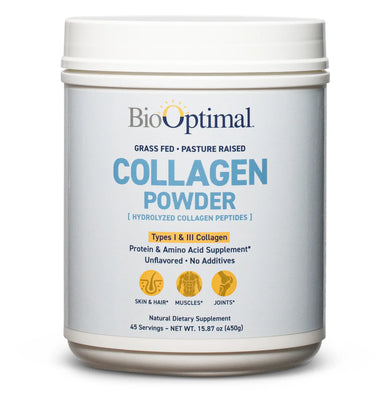
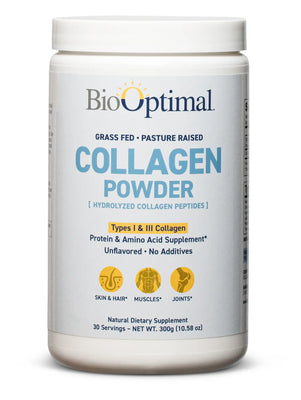
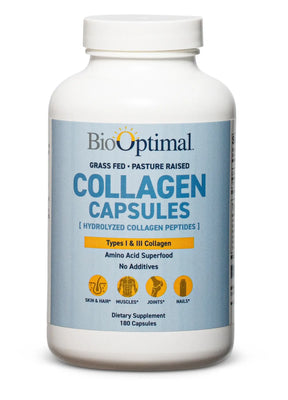
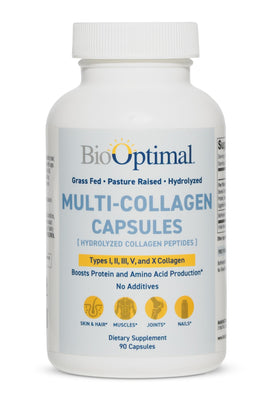
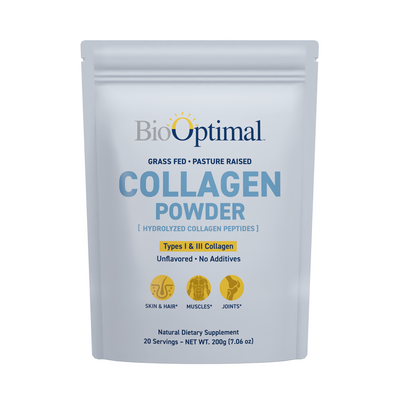
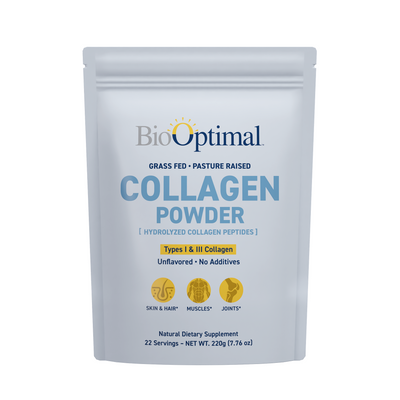
If you are looking for premium-quality collagen designed with purity and performance in mind, consider exploring BioOptimal Supplements. Their carefully sourced formulations are designed to support skin, joints, and overall wellness, helping you make confident choices in your collagen journey.