

The best foods to eat with collagen include vitamin C-rich fruits and vegetables, such as oranges, strawberries, kiwi, and bell peppers, along with protein sources like eggs, fish, and beans. Vitamin C supports normal collagen formation, while protein supplies essential amino acids. A balanced diet supports overall nutrition, although eating these foods with collagen does not guarantee better supplement results.
Louis's takeaways:
- Eating a balanced diet with protein-rich foods, fruits, and vegetables supports normal collagen formation and overall connective tissue health.
- Vitamin C is essential for collagen production. Foods such as oranges, strawberries, kiwi, bell peppers, and broccoli provide this important nutrient.
- Protein-rich foods like eggs, fish, poultry, beans, and lentils supply amino acids needed for normal protein synthesis and tissue maintenance.
- Zinc and copper contribute to important biological processes, including protein metabolism and connective tissue formation.
- Collagen powder can be mixed into smoothies, coffee, tea, oatmeal, or water, while capsules offer a convenient alternative without mixing.
- Collagen supplements provide measured servings of collagen peptides, but they should complement a balanced diet rather than replace whole foods or complete protein sources.
Table of Contents:
- Collagen Supplements vs Collagen-Rich Foods
- Best Foods to Eat with Collagen Supplements
- Nutrients That Support Normal Collagen Formation
- Easy Ways to Add Collagen to Your Daily Meals
- How to Choose a Collagen Supplement for Your Routine
- Why BioOptimal Offers Collagen Options for Daily Routines
- Frequently Asked Questions
- Build a Simple Collagen Routine
The best foods to eat with collagen are not one special category of food. Instead, build meals around protein sources such as eggs, fish, poultry, beans, and lentils, then add fruits and vegetables that provide vitamin C and other nutrients. Oranges, strawberries, kiwi, bell peppers, and broccoli are practical vitamin C choices. Vitamin C is required for collagen biosynthesis, while zinc and copper contribute to important physiological processes, including protein metabolism and connective tissue synthesis. These nutrients support normal body functions, but eating them alongside collagen does not guarantee better results.
Collagen Supplements vs Collagen-Rich Foods
Collagen Supplements
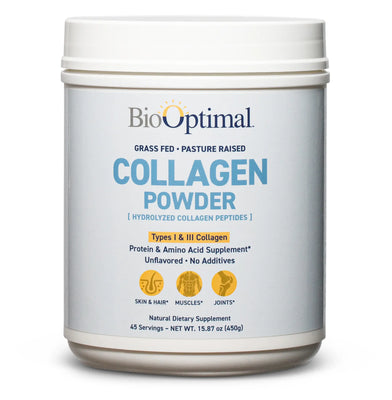
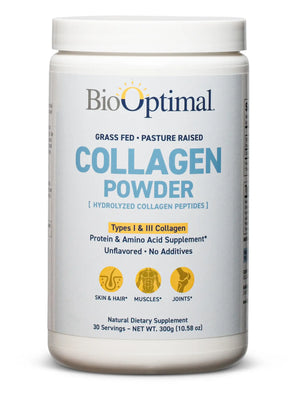
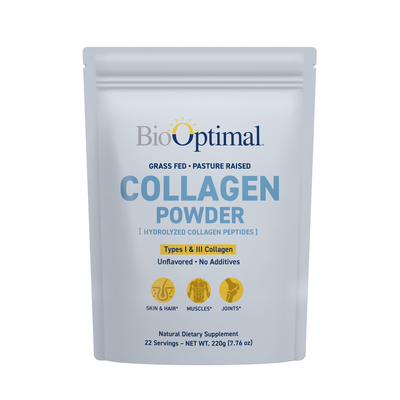
Collagen supplements provide collagen in a measured format. BioOptimal Collagen Powder contains hydrolyzed Types I and III collagen peptides and is designed to mix into coffee, tea, smoothies, oatmeal, or water. The current product information lists one 10-gram scoop per serving, an unflavored and odorless formula, zero sugar, and a single collagen ingredient.
Hydrolyzed collagen has been processed into smaller peptide chains. This makes it convenient to mix into foods and drinks and allows you to measure a consistent serving. Collagen powder can be useful if you like building supplements into breakfast or beverages.
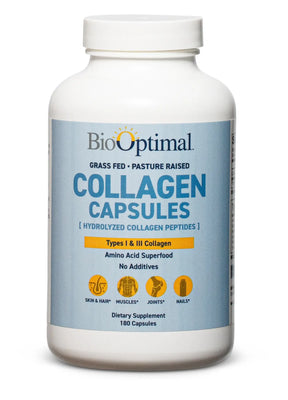
Capsules provide a different kind of convenience. You do not need to mix, measure, or prepare anything, which can make them useful for travel, workdays, or routines built around taking supplements with a meal.
Collagen-Rich Foods
Collagen occurs naturally in animal connective tissues. Foods such as bone broth and cuts of meat that contain connective tissue can contribute collagen or collagen-derived material to the diet. The amount you get from food can vary depending on the food, portion, and preparation method.
A collagen supplement and a collagen-rich food are therefore not interchangeable in every respect. Whole foods provide a wider range of nutrients, while a supplement offers a measured and convenient source of collagen peptides.
Best Foods to Eat with Collagen Supplements
Vitamin C-Rich Foods
Vitamin C deserves particular attention because your body requires it for collagen biosynthesis. That does not mean you need to swallow vitamin C at the same moment as your collagen. It simply means that regularly eating vitamin C-containing foods is part of a sound nutritional foundation.
Easy food choices include oranges, strawberries, kiwi, bell peppers, broccoli, tomatoes, guava, and Brussels sprouts. You can add berries to breakfast, keep sliced bell peppers available for snacks, or serve broccoli alongside lunch or dinner.
A simple example is a morning smoothie made with collagen powder, strawberries, kiwi, yogurt, oats, and water. The smoothie provides a practical combination of collagen, protein, fruit, and other nutrients without requiring a special supplement protocol.
Protein-Rich Foods
Collagen is a protein, and proteins are made from amino acids. Your body uses amino acids from dietary proteins for many functions, including building and maintaining proteins throughout the body.
Include a variety of protein-rich foods such as eggs, fish, poultry, lean meats, beans, lentils, tofu, nuts, and seeds. Collagen should complement your overall protein intake rather than replace a varied selection of protein foods.
This distinction matters because collagen has a different amino acid profile from many complete dietary proteins. A varied diet gives you a broader nutritional foundation.
Fruits and Vegetables for a Balanced Diet
Berries, leafy greens, colorful vegetables, citrus fruits, tomatoes, and other produce add variety and nutrients to your meals. They also make collagen routines easier to integrate because collagen powder is unflavored and can fit into smoothies, oatmeal, yogurt, and beverages.
Rather than searching for one perfect collagen food, think in terms of a balanced plate. Include a protein source, vegetables or fruit, a suitable carbohydrate source, and healthy fats according to your preferences and nutritional needs.
A simple next step: See BioOptimal collagen products to compare powder and capsule formats.
Nutrients That Support Normal Collagen Formation
Vitamin C
Vitamin C is required for collagen biosynthesis. It is also involved in protein metabolism and functions as an antioxidant. Citrus fruits, strawberries, kiwi, peppers, broccoli, and several other fruits and vegetables can contribute vitamin C to the diet.
Amino Acids
Collagen is a protein, so amino acids are fundamental to its structure. Collagen peptides provide collagen-derived amino acids and peptide fragments, while foods such as eggs, fish, poultry, beans, and lentils provide additional dietary protein.
Zinc
Zinc is an essential mineral involved in protein synthesis, cell division, wound healing, and many other physiological processes. Food sources include meat, seafood, eggs, beans, nuts, and whole grains. Most people do not need to add a zinc supplement simply because they take collagen. A varied diet is the better starting point.
Copper
Copper is an essential mineral and a cofactor for enzymes involved in connective tissue synthesis, among other functions. Food sources include seafood, nuts, seeds, whole grains, and organ meats. As with zinc, more is not automatically better. Additional supplementation should be based on individual needs and professional guidance.
Easy Ways to Add Collagen to Your Daily Meals
Add Collagen Powder to Smoothies
Smoothies are an easy place to combine collagen with nutrient-rich ingredients. Try one scoop of collagen powder with strawberries or berries, kiwi or orange, yogurt, oats, spinach, and water. You can adjust the ingredients to suit your taste and nutritional needs.
For a simple single-ingredient option, our BioOptimal Collagen Powder provides 10-grams of hydrolyzed Types I and III collagen peptides per serving.
Mix Collagen Into Drinks
Collagen powder can be mixed into coffee, tea, smoothies, oatmeal, or water. BioOptimal recommends one 10-gram scoop once daily for its collagen powder. The powder is unflavored and odorless and is designed to dissolve in hot or cold liquids.
If clumping is a problem, BioOptimal's mixing tips explain why starting with a warm liquid or using a frother, blender, or shaker can help.
Pair Collagen with Balanced Meals
You do not need to build an entire meal around collagen. Instead, connect it to something you already do consistently. Take capsules with a meal if that is how the product directions fit your routine, or mix powder into a morning drink.
For breakfast, consider eggs, fruit, whole grain toast, and a collagen drink. For lunch, pair fish or poultry with vegetables, beans, or whole grains. For dinner, build a balanced plate and take your collagen at a convenient point in the day.
How to Choose a Collagen Supplement for Your Routine
Consider the Collagen Types Included
Collagen is not a single uniform protein type. Different collagen types are associated with different tissues and structural roles.
Type I is abundant in skin, bone, tendons, and other connective tissues. Type II is strongly associated with cartilage. Type III commonly occurs alongside Type I in connective tissues. Types V and X have more specialized roles in collagen organization and cartilage or bone-related processes.
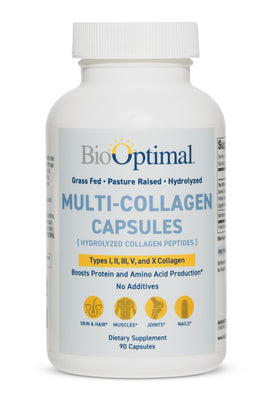
BioOptimal's Multi-Collagen Supplement Capsules contain Types I, II, III, V, and X in a single capsule formula.
Choose the Format That Fits Your Lifestyle
Factor |
Collagen Powder |
Collagen Capsules |
Use |
Mix into foods and drinks |
Take as a convenient daily supplement |
Flexibility |
Easy to add to recipes and beverages |
Simple and portable |
Measurement |
Scoop-based serving |
Capsule-based serving |
Good fit for |
People who enjoy mixing supplements |
People who prefer no mixing |
Review Ingredients and Product Information
Before choosing a collagen supplement, look at the full product information rather than relying only on the front label. Check the serving size, collagen amount, collagen types, ingredient list, source, suggested use, and testing information.
BioOptimal states that its collagen is sourced from grass-fed and pasture-raised bovine, is non-GMO, contains no fillers, binders, or preservatives, and is third-party tested for heavy metals and other contaminants. The company also states that its products are made in a GMP-certified U.S. facility.
You can review the current range in the BioOptimal collagen products collection before choosing a format.
Why BioOptimal Offers Collagen Options for Daily Routines
At BioOptimal, we keep collagen supplementation straightforward. Our current collagen range gives you a choice between powder and capsule formats, with product options designed around simple daily use.
BioOptimal Collagen Powder uses a single collagen ingredient and provides hydrolyzed Types I and III collagen peptides. The product is unflavored, odorless, and zero sugar, with a 10-gram scoop included. The current product information also states that the collagen is grass-fed and pasture-raised and that each batch is third-party tested for heavy metals and other contaminants.
BioOptimal Multi-Collagen Supplement Capsules combine five collagen types in a convenient capsule format. The product page currently lists 90 capsules as a 30-day supply and recommends three capsules daily with water, ideally with a meal.
This gives you a simple choice. If you enjoy adding collagen to coffee, smoothies, or breakfast foods, powder provides flexibility. If you prefer a ready-to-take format, capsules can make the routine easier to carry and repeat.
Frequently Asked Questions
1. What should I eat with collagen supplements?
You can take collagen with a normal meal or snack. Vitamin C-rich foods such as strawberries, oranges, kiwi, bell peppers, and broccoli are useful additions to a balanced diet because vitamin C is required for collagen biosynthesis. Protein rich foods such as eggs, fish, poultry, beans, and lentils can also contribute to overall protein intake.
2. What foods help support collagen production?
No single food guarantees increased collagen production. A varied diet provides nutrients involved in normal collagen formation and tissue maintenance. Vitamin C is especially relevant because it is required for collagen biosynthesis. Protein foods and a variety of fruits and vegetables can help build a well-rounded nutritional foundation.
3. Should I take collagen with food or on an empty stomach?
Collagen does not have to be taken on an empty stomach. Follow the directions for your specific product and choose a time that works consistently for you. BioOptimal's Multi-Collagen Capsules currently recommend taking three capsules daily with water, ideally with a meal.
4. Can I put collagen powder in food or drinks?
Yes. BioOptimal Collagen Powder can be mixed into coffee, tea, smoothies, oatmeal, or water. The powder is unflavored and odorless and is designed to dissolve in hot or cold liquids.
5. What vitamins help with collagen formation?
Vitamin C is the key vitamin directly required for collagen biosynthesis. A varied diet also supplies minerals such as zinc and copper, which contribute to important physiological functions.
6. Are collagen supplements better than collagen-rich foods?
They serve different purposes. Collagen rich foods provide collagen as part of whole foods, while supplements provide a measured and convenient source of collagen peptides. A balanced diet can include whole foods alongside a supplement when appropriate.
7. What is the best time to take collagen with meals?
There is no universally required best meal for collagen. Morning, lunch, or evening can all work. The most useful time is the one that fits your routine and product directions and helps you stay consistent.
8. Can I take collagen with other supplements?
It may be possible to include collagen alongside other supplements, but the answer depends on the specific ingredients, doses, medications, and individual circumstances. If you take medications, are pregnant or breastfeeding, or are considering several supplements, speak with a qualified healthcare professional before changing your routine.
Build a Simple Collagen Routine
You do not need a complicated nutrition plan to make collagen part of your day. Start with the basics. Eat a varied diet, include protein-rich foods, regularly eat fruits and vegetables, and make vitamin C-containing foods part of your normal meals.
Then choose a collagen format that feels natural. A scoop in your morning coffee or smoothie can work well if you enjoy preparing breakfast. Capsules may suit you better if you want something simple that travels with you.
When you are ready to choose a format, view BioOptimal collagen products and select the option that fits your preferences and routine.