

Louis's takeaways:
Collagen supplements offer numerous benefits—from supporting skin and joints to enhancing bone and muscle health—but they’re not risk-free. People on blood thinners, diabetes medications, or calcium supplements should be cautious, as collagen can potentially interfere with these drugs. Those with allergies to collagen sources (e.g., fish, eggs, or meat), kidney issues, or chronic health conditions must consult a healthcare provider before starting supplementation. Pregnant or lactating women should also seek medical guidance. Always choose high-quality, hydrolyzed collagen from reputable brands and follow dosage guidelines to avoid side effects and ensure safety.
Table of Contents:
- What Are the Side Effects of Taking Collagen?
- Digestive Side Effects of Collagen Supplements
- Can You Be Allergic to Collagen?
- Collagen Itself vs. Other Ingredients in the Supplement
- Does Collagen Interact With Medications?
- Who Should Be Careful With Collagen Supplements?
- Can You Take Too Much Collagen?
- How to Choose a Collagen Supplement With Safety in Mind
- BioOptimal Collagen Options: Compare the Formula Before You Buy
- Frequently Asked Questions About Collagen Side Effects
Collagen side effects are usually mild when they occur, but some people report digestive discomfort such as bloating, fullness, heartburn, constipation, or diarrhea. Allergic reactions are possible when a product contains a source you react to. Added ingredients, serving size, medications, and health conditions can also affect tolerance

Collagen supplements are widely used in powders, capsules, tablets, gummies, and mixed formulas. Many people take them without notable problems, and a 2019 systematic review of randomized trials in dermatology reported no adverse events in the included studies. Still, that does not mean every product is suitable for every person. A 2023 meta-analysis in people with knee osteoarthritis found no statistically significant difference in overall adverse-event risk between collagen peptides and placebo, but the evidence quality for that safety outcome was rated very low.
The most useful way to think about collagen side effects is to separate five questions: What collagen source does the product use? What else is in the formula? How much are you taking? Do you have allergies or health conditions? Are you using medicines or other supplements that could matter? This approach is more useful than treating every symptom after a collagen product as proof that collagen itself caused it.
What Are the Side Effects of Taking Collagen?

Reported collagen supplement side effects most often involve the digestive system or an allergy to the product's source or another ingredient. Some people describe bloating, gas, a feeling of fullness, heartburn, constipation, diarrhea, nausea, or an unpleasant taste. Serious reactions appear to be uncommon, but they require prompt attention when they occur.
The evidence base has an important limitation: many collagen trials were designed to study skin, joint, or other outcomes rather than to map every possible adverse effect. That means the absence of frequent problems in trials is reassuring, but it is not proof that a reaction cannot occur. Product formulas also differ greatly. A plain bovine collagen peptide powder is not the same exposure as a flavored multi-ingredient powder containing herbs, sweeteners, vitamins, minerals, or biotin.
|
Possible issue |
What it may feel like |
What to check |
|
Digestive discomfort |
Bloating, gas, fullness, nausea, heartburn |
Serving amount, timing, other ingredients, recent diet changes |
|
Bowel changes |
Constipation or diarrhea |
Serving size, hydration, sweeteners or added ingredients, other supplements |
|
Allergic reaction |
Itching, hives, rash, swelling, wheezing, breathing difficulty |
Collagen source and every ingredient on the label |
|
Taste or smell intolerance |
Unpleasant aftertaste, odor, queasiness related to flavor |
Product form, flavor system, mixing method |
|
Formula-related effects |
Symptoms that may come from vitamins, minerals, herbs, or sweeteners rather than collagen |
Full Supplement Facts and ingredient list |
Common vs. uncommon vs. formula-dependent effects
Digestive complaints are among the most commonly discussed tolerability issues, although good estimates of how often they occur are limited. Allergic reactions are less common but more important because they can become serious. Other symptoms can be formula-dependent. For example, a person might tolerate plain collagen peptides but react to a sweetener, flavoring, herbal blend, or vitamin included in another product.
Digestive Side Effects of Collagen Supplements
Digestive discomfort is one of the main reasons people search for collagen side effects. Protein supplements can feel different from person to person, and the form, serving amount, added ingredients, and timing may all matter. If symptoms begin soon after starting a product, review the complete label rather than assuming the collagen peptides are the only possible cause.
Bloating and gas
Some people report bloating, gas, or a heavy feeling after taking collagen. These symptoms are not specific to collagen and can also follow changes in total protein intake, meal size, sweeteners, gums, sugar alcohols, or other ingredients in a flavored powder. If your product contains more than collagen, check each ingredient before deciding what may be responsible.

Heartburn or stomach discomfort
Heartburn, nausea, or upper-stomach discomfort can occur after many foods and supplements. Taking a large serving quickly, mixing it into a very large drink, or taking it alongside other supplements may affect how it feels. There is not strong evidence that a particular time of day prevents collagen-related digestive symptoms for everyone.
Constipation or diarrhea
Constipation and diarrhea are both reported by some collagen users, but neither is an expected response for everyone. When bowel habits change after starting a product, look at the serving amount, fluid intake, diet, and added ingredients. Sugar alcohols and some sweeteners can loosen stools in some people, while a change in overall diet or fluid intake can contribute to constipation.
If diarrhea is severe or persistent, or if you see blood, develop marked weakness, or cannot maintain hydration, seek medical care. FDA lists severe or persistent nausea, vomiting, diarrhea, and abdominal pain among serious reactions that should be reported when associated with a dietary supplement.
Does collagen powder cause more digestive issues than capsules?
There is no good evidence that powder is inherently more likely than capsules to cause digestive side effects. The more important comparison is the actual formula and the amount taken. A powder may deliver more collagen per serving than a small capsule serving, while capsules contain capsule-shell ingredients. Flavored powders may also contain ingredients that plain powders do not.
SUMMARY:
Collagen supplements improve skin elasticity, delay wrinkles, and prevent skin thinning. They also support joint and bone health, strengthen hair and nails, and help maintain muscle mass, especially with aging.
Can You Be Allergic to Collagen?
Yes. Collagen is generally derived from animal sources, so a known allergy to the source matters. Products may use bovine, marine or fish, porcine, or chicken-derived collagen. A person with a food allergy should not assume that hydrolysis removes the need to check the label or discuss suitability with a clinician.
Why collagen source matters
The source tells you what animal material the collagen came from. It also helps you screen a product against known food allergies, dietary restrictions, and personal preferences. A label that clearly names the source is easier to evaluate than one that leaves it unclear.
Signs of a serious allergic reaction
Possible allergy symptoms include itching, hives, rash, swelling of the lips, tongue, face, or throat, wheezing, shortness of breath, or fainting. These are not symptoms to test at home by taking another serving. Stop the product and seek urgent medical help for breathing difficulty, throat swelling, fainting, or other signs of a severe reaction.
FDA includes hives, swelling, wheezing, low blood pressure, fainting, chest pain, and shortness of breath among examples of serious reactions or illnesses that may be associated with dietary supplements and should be reported.
Collagen Itself vs. Other Ingredients in the Supplement
One of the biggest mistakes in discussions of collagen side effects is treating the word “collagen” as if every collagen product has the same ingredient profile. A plain collagen peptide powder may contain only collagen. Another product may combine collagen with vitamin C, biotin, minerals, herbs, flavorings, gums, sweeteners, or other nutrients. Any of those ingredients can change how the product affects a particular person.
Added herbs, vitamins, minerals, flavorings, and sweeteners
If you experience a new symptom after starting a collagen formula, read beyond the amount of collagen. Check whether the formula contains nutrients you already take elsewhere, especially if you use a multivitamin or several supplements. Also note sweeteners, sugar alcohols, botanical ingredients, and flavor systems. The label may provide a more plausible explanation than collagen alone.
Biotin and laboratory-test interference
Biotin is commonly added to hair, skin, and nail supplements, including some collagen blends. FDA has warned that biotin can interfere with certain laboratory tests and produce incorrect results. The concern is not that collagen peptides interfere with the test. It is the added biotin.
If your collagen product contains biotin, tell the healthcare professional or laboratory staff before testing. Do not stop a prescribed medicine or change medical care based on a supplement article. A clinician can tell you whether the amount in your product matters for a specific test.
Why a simple ingredient list can make troubleshooting easier
A short ingredient list does not guarantee that a supplement will agree with you. It does, however, reduce the number of ingredients you need to review if a problem appears. That can make source and allergen screening more straightforward.
SUMMARY:
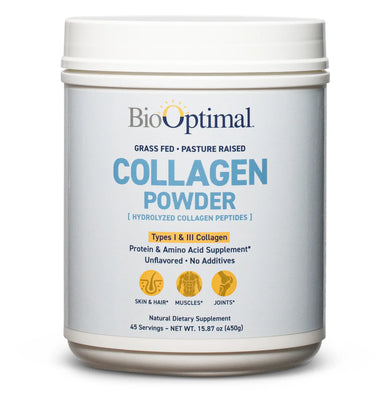
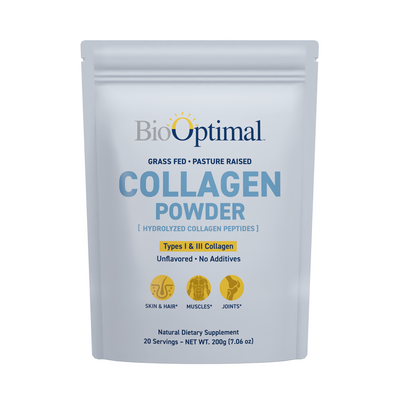
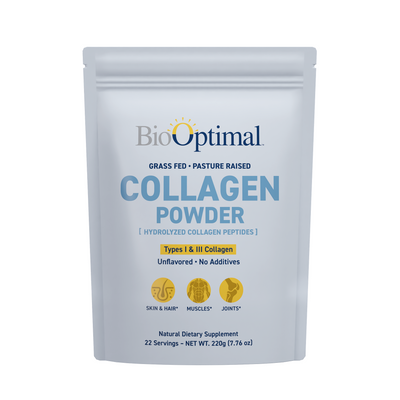
BioOptimal's 45-serving collagen powder is listed as a one-ingredient product made with grass-fed, pasture-raised bovine Types I and III collagen peptides. Its product page also states that it is third-party tested for heavy metals and other contaminants and contains no fillers, binders, additives, or preservatives. Review the full label and source before deciding if it fits your needs. single-ingredient collagen powder
Does Collagen Interact With Medications?
Direct medication interactions with plain collagen peptides are not well established. That is different from saying interactions are impossible. The practical issue is that dietary supplements can contain multiple ingredients, and some added ingredients may interact with medicines or duplicate nutrients from other products.
FDA advises consumers to talk with a doctor, pharmacist, or other healthcare professional before using a dietary supplement because some supplements can interact with medicines or other supplements. This is especially relevant if you take prescription medicines, use several supplements, have a chronic health condition, or are preparing for a procedure.
What current evidence can and cannot tell us
Current research does not support broad statements that collagen routinely strengthens the effect of blood thinners, changes diabetes medicine requirements, or causes a predictable change in blood sugar. Those claims are too specific without strong evidence. The safer conclusion is that direct interactions with collagen peptides have not been well characterized and the full formula matters.
If you take warfarin, heparin, diabetes medicines, thyroid medicines, or any other prescription drug, do not adjust the dose because of collagen. Ask the clinician or pharmacist managing your medicines to review the product label.
Why the complete supplement formula matters
A collagen blend might contain vitamins, minerals, herbs, stimulants, or other dietary ingredients. Those additions can introduce considerations unrelated to collagen. The same is true when several separate supplements are taken together. The relevant question becomes what your total daily intake contains, not simply whether one container says “collagen” on the front.
When to speak with a doctor or pharmacist
Get professional guidance before adding a collagen supplement if you take prescription medicines, have a history of significant allergic reactions, have a medical condition that affects diet or protein intake, are preparing for surgery, or have previously reacted to a supplement. Bring the exact bottle or a clear photo of the Supplement Facts panel so the clinician can review the actual product.
Who Should Be Careful With Collagen Supplements?
People with food or ingredient allergies
Anyone with an allergy to fish, shellfish, beef, pork, chicken, egg, or another ingredient should check the collagen source and allergen statement before use. The relevant allergy depends on the product. A marine collagen product and a bovine collagen product do not present the same source exposure.
Pregnancy and breastfeeding
Safety data for collagen supplements during pregnancy and breastfeeding are limited, and products vary in purity, source, serving amount, and added ingredients. Pregnant or breastfeeding people should review any supplement with their obstetrician, midwife, physician, or other qualified clinician before use. That is especially important for multi-ingredient products.
People with health conditions or prescription medicines
Anyone who has reacted to a collagen product before
If you previously developed hives, swelling, breathing difficulty, persistent vomiting, severe diarrhea, or another concerning reaction after a collagen product, do not simply switch brands and retry on your own. The source or another ingredient could be relevant. Bring the prior product label to a healthcare professional so the ingredients can be reviewed.
Can You Take Too Much Collagen?
There is no single universal collagen dose that is right for every person or every product. Research trials have used different amounts depending on the product and outcome studied, and FDA does not set a standard serving amount for dietary supplements. The manufacturer lists a serving size, but that is not the same as a personalized medical recommendation.
Serving size vs. personal tolerance
A person may experience digestive discomfort at an amount that another person tolerates without difficulty. Taking more than the labeled serving can also increase total protein or increase exposure to added ingredients in a blended formula. If a product causes symptoms, increasing the amount is not a sensible response.
Why more collagen is not automatically better
More collagen does not automatically mean more benefit. Supplement studies use defined amounts, and the results from one dose or one branded peptide cannot be assumed to rise in a straight line as the dose increases. Follow the label unless a qualified healthcare professional gives you a different plan based on your situation.
When symptoms mean you should stop taking it
Stop the supplement and seek medical advice when symptoms are persistent, worsening, or concerning. Seek urgent help for breathing difficulty, throat or facial swelling, fainting, chest pain, severe persistent vomiting or diarrhea, blood in vomit or stool, or other serious symptoms. FDA also provides a process for consumers and health professionals to report serious adverse events linked to dietary supplements.
How to Choose a Collagen Supplement With Safety in Mind
No checklist can guarantee that a dietary supplement will be right for you, but a few label checks can reduce avoidable surprises and make it easier to compare products.
1. Check the collagen source
Look for bovine, marine or fish, porcine, chicken, or another clearly named source. Match that information against known food allergies and dietary restrictions. If the source is unclear, contact the manufacturer before use.
2. Read every ingredient, not just the front label
Review the Supplement Facts panel and other-ingredients list. Note vitamins, minerals, herbs, sweeteners, gums, flavorings, and capsule materials. If you already take other supplements, check for repeated ingredients.
3. Check allergen information
Read any allergen statement and remember that source matters even when collagen is hydrolyzed into peptides. If you have a severe food allergy, ask a healthcare professional whether the product is appropriate rather than relying only on marketing copy.
4. Follow the serving directions
Use the labeled serving unless a qualified professional gives you another instruction. Do not double the amount because you missed a serving, and do not assume that a larger amount will produce faster results.
5. Look for product testing and source transparency
Dietary supplements do not go through FDA premarket approval for safety and effectiveness. That makes clear labeling, source information, manufacturer accountability, and testing practices useful comparison points. Third-party testing does not prove a product will be suitable for every person, but it can provide information about whether a product was checked for specified quality or contaminant measures.
|
Compare collagen products by source and format Once you know what to check, compare BioOptimal's collagen supplements by source, ingredient profile, and format. Read each product page and label before choosing a powder or capsule. collagen supplements |
BioOptimal Collagen Options: Compare the Formula Before You Buy
BioOptimal offers several collagen formats. The right choice depends on what you want from the format, what sources fit your dietary needs, what ingredients you are comfortable with, and whether you have allergies or medical considerations. Product pages should be checked again before purchase because formulas and labels can change.
Single-ingredient collagen powder
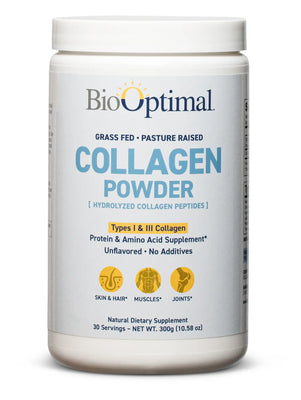
BioOptimal's 45-serving powder is listed as bovine Types I and III hydrolyzed collagen peptides from grass-fed, pasture-raised cattle. The product page states that it contains one ingredient and is free from fillers, binders, additives, and preservatives. It also states that the product is third-party tested for heavy metals and other contaminants. For readers specifically concerned about added ingredients, this is the clearest BioOptimal product to compare first.
Collagen capsules
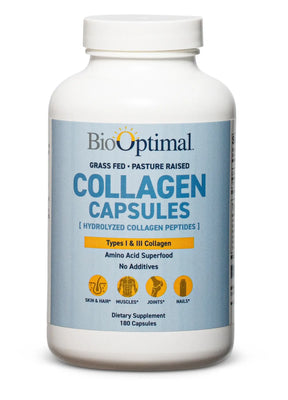
Some people prefer capsules because they are portable and do not require mixing. BioOptimal also sells collagen capsules. Compare the capsule serving, bovine collagen source, capsule ingredients, and total daily amount with the powder before choosing. A capsule format should not be assumed to have fewer side effects simply because it is swallowed rather than mixed into a drink.
See the BioOptimal collagen capsules if you prefer a pill format and want to compare the label with the powder.
Multi-collagen capsules
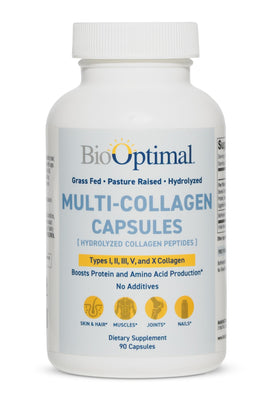
A multi-collagen formula may use several collagen types and sources. That can be useful for shoppers who specifically want a multi-type product, but it also makes source review more important for people with food allergies or dietary restrictions. Check every listed source and all other ingredients before use.
Review BioOptimal's multi-collagen capsules if you want to compare a multi-type formula with the single-source options.
|
Ready to compare formats? Review the full BioOptimal collagen range, then choose based on the label, source, serving amount, and format that fit your needs. If you use medicines, are pregnant or breastfeeding, or have a relevant health condition, discuss the exact product with a qualified healthcare professional before use. shop collagen supplements |
SUMMARY:
Collagen supplements are generally safe but may cause side effects such as digestive discomfort, allergic reactions, skin rashes, or high calcium levels. Some individuals may also experience intolerance to the taste, fatigue, or sluggishness after intake.
Frequently Asked Questions About Collagen Side Effects
1. What are the side effects of taking collagen?
Collagen supplements are generally well tolerated, but some people report bloating, gas, fullness, heartburn, constipation, diarrhea, nausea, or an unpleasant taste. Allergic reactions can occur when someone reacts to the collagen source or another ingredient. The exact risk depends on the product, amount, allergies, medicines, and individual health factors.
2. Who should not take collagen?
People with a known allergy to a collagen source or another product ingredient should avoid that product. Anyone taking prescription medicines, living with a condition that affects diet or protein intake, or who is pregnant or breastfeeding should review the exact supplement with a qualified healthcare professional before use rather than relying on general advice.
3. Can collagen cause stomach problems?
Some people report digestive discomfort after taking collagen, including bloating, fullness, heartburn, nausea, or gas. These symptoms are not specific to collagen and may also relate to serving amount or added ingredients such as sweeteners or gums. Persistent or severe symptoms should be discussed with a healthcare professional.
4. Can collagen cause diarrhea?
Diarrhea is reported by some collagen users, but it is not expected in everyone. If it starts after a new product, check the serving amount and other ingredients, especially sweeteners or sugar alcohols. Stop the supplement and seek medical advice if diarrhea is severe, persistent, bloody, or causes dehydration.
5. Can collagen cause constipation?
Some people notice constipation after starting a collagen supplement, although research does not show that constipation is an inevitable effect of collagen peptides. Consider changes in fluid intake, diet, serving amount, and other ingredients. If constipation is persistent, painful, or accompanied by other concerning symptoms, contact a healthcare professional.
6. Can you be allergic to collagen?
Yes. Collagen is commonly derived from bovine, marine or fish, porcine, or chicken sources. A person with a relevant food allergy should read the source and allergen information carefully. Hives, swelling, wheezing, breathing trouble, or fainting can indicate a serious reaction and require urgent medical attention.
7. Does collagen interact with medications?
Direct interactions between plain collagen peptides and prescription medicines are not well characterized. However, collagen products may contain other vitamins, minerals, herbs, or nutrients that matter. FDA advises consumers to discuss dietary supplements with a doctor or pharmacist, especially when taking medicines or several supplements at the same time.
8. What happens if you take too much collagen?
There is no universal collagen dose for everyone. Taking more than the label directs may increase digestive discomfort or increase exposure to other ingredients in a blended formula. More is not automatically better. Follow the product directions unless a qualified healthcare professional recommends a different amount for your individual situation.
Bottom Line
Collagen side effects appear to be uncommon in research settings, but real-world tolerance varies. Digestive symptoms and allergic reactions are the main concerns to understand. The safest purchasing habit is to look past the word “collagen” and check the source, complete ingredient list, serving amount, allergen information, and testing details for the exact product you plan to use.
If you develop a concerning reaction, stop the supplement and seek medical care when appropriate. If you take medicines, have a health condition, or are pregnant or breastfeeding, ask a healthcare professional to review the exact label before adding a collagen supplement to your routine.