

Table of Contents:
- What Are Peptides?
- The Two Kinds of Peptides Teens Search For
- Are Peptides Safe for Teenagers?
- What Age Can You Take Peptides? An Age-by-Age Guide
- Do Peptides Stunt Growth or Make You Taller?
- Peptides in Skincare for Teenagers
- Collagen Peptides for Teens: The Safe Exception
- Peptides and Teen Athletes: Anti-Doping Risks
- The 2026 Online Peptide Trend Parents Should Know
- How to Choose a Clean, Teen-Safe Collagen Peptide
- Food First: Getting Peptides and Collagen From Diet
- How Teens Should Take Collagen Peptides Safely
- Frequently Asked Questions
Are peptides safe for teenagers? Most are not. Collagen peptides, a food-derived dietary supplement, are generally well tolerated for teens and may support skin, joint, and connective-tissue health. Synthetic and injectable peptides like BPC-157, CJC-1295, and GHK-Cu are not recommended under 18 because of hormonal risks and limited adolescent research. Diet and sleep come first.
Louis's takeaways:
For teenagers, the only peptide with a reasonable safety profile is collagen, a food-derived dietary peptide that may support skin, joints, and connective tissue. Synthetic and injectable “research” peptides such as BPC-157, CJC-1295, and GHK-Cu are not appropriate for people under 18 because of the risk of hormonal disruption and the lack of research in adolescents. Always talk with a healthcare professional before starting any supplement.
Peptides have become popular with teenagers, especially for skincare and athletic performance. Social media promotes them as quick fixes for clearer skin, faster recovery, and bigger muscles. Before a teen or parent buys anything, it helps to know that “peptides” is a broad term. Some are simply concentrated food proteins, while others are unapproved compounds sold online. The safety answer depends entirely on which type you mean.

What Are Peptides?
Peptides are short chains of amino acids, the building blocks of proteins like collagen. They occur naturally in foods such as eggs, meat, fish, and dairy, and the body uses them for tissue repair, hormone signaling, and muscle development. During puberty, a teenager’s body already produces high levels of growth-related peptides and hormones on its own. That natural surge is a key reason adding outside compounds can do more harm than good.
The Two Kinds of Peptides Teens Search For
Almost every safety question about teens and peptides comes down to this split. One group is food-derived and sold as regulated dietary supplements. The other is synthetic, often injectable, and frequently sold as unregulated “research chemicals.”
|
Feature |
Food-derived peptides |
Synthetic / “research” peptides |
|
Examples |
Collagen peptides, creatine peptides |
BPC-157, TB-500, CJC-1295, Ipamorelin, GHK-Cu, AOD-9604 |
|
How they are taken |
Oral powder or capsule, with food |
Injections or unregulated powders |
|
Regulation |
Regulated as dietary supplements / food |
Often not FDA-approved; sold as research chemicals |
|
Research in teens |
Limited but reassuring for collagen |
Little to none; mostly animal or adult data |
|
Suitable for teens? |
Generally well tolerated |
Not recommended under 18 |
Food-derived peptides (collagen and creatine)
Collagen peptides are hydrolyzed, meaning they are broken into smaller chains for easier absorption. They may support skin elasticity, joint comfort, and connective-tissue strength, which is why teens use them for skin and sports recovery. You can read more in our guide to hydrolyzed collagen vs collagen peptides. Creatine peptides are used by some young athletes for recovery, though creatine monohydrate is the more studied form. Both should be used responsibly and with professional guidance.
Synthetic and injectable “research” peptides
This group includes healing peptides (BPC-157, TB-500), growth hormone secretagogues (CJC-1295, Ipamorelin), and cosmetic or metabolic peptides (GHK-Cu, AOD-9604). Most evidence comes from animal studies or small adult trials, not healthy teenagers. Many are not FDA-approved, are sold as research chemicals with no quality control, and several are banned in competitive sport. These are not appropriate for adolescents.
SUMMARY:
Peptides are short amino acid chains vital for growth, muscle development, and tissue repair in teenagers, with growing interest in their use for skincare and athletic recovery. While naturally found in foods, peptide supplements offer concentrated benefits but should be used cautiously during adolescence.

Are Peptides Safe for Teenagers?
The current scientific consensus is that there is no strong evidence supporting the routine or non-medical use of synthetic peptides in healthy adolescents. During puberty the body already produces higher levels of growth hormone and insulin-like growth factor-1. Adding external compounds may disrupt natural hormone regulation, bone maturation and growth plates, and metabolism. Collagen peptides are the practical exception because they are a dietary protein rather than a hormone-signaling drug.
What Age Can You Take Peptides? An Age-by-Age Guide
This is the most common question teens ask, so here is a clear, general guide. It is educational information, not medical advice. A pediatrician or registered dietitian should confirm what is right for an individual teen.
|
Age |
Synthetic / research peptides |
Collagen peptides (dietary) |
|
Under 13 |
Not recommended |
Usually unnecessary; a balanced diet supplies enough. Ask a pediatrician first. |
|
13 to 15 |
Not recommended |
May be considered for specific needs (acne recovery, high-impact sport) with professional guidance. |
|
16 to 17 |
Not recommended |
Generally well tolerated, but still secondary to whole-food protein. |
|
18 |
Adult guidance applies; still use caution |
Generally well tolerated as part of a balanced diet. |
Do Peptides Stunt Growth or Make You Taller?
There is no scientific evidence that collagen peptides interfere with growth plates or stunt growth. Because collagen is part of the bone matrix, it may actually support healthy skeletal development when paired with a balanced diet. Growth hormone peptides are a different story: they can influence hormone levels and may affect puberty and growth, which is a reason to avoid them, not a shortcut to height. There is no safe peptide shortcut to becoming taller.

Peptides in Skincare for Teenagers
Peptides can benefit teenage skin by supporting acne treatment and reinforcing the skin barrier. Collagen peptides for teenagers are particularly popular for uplifting skin elasticity and promoting a clear complexion. These peptides help reduce acne scars and improve overall skin texture by stimulating collagen production. Additionally, they improve the skin’s protective barrier, reducing sensitivity and irritation.
When choosing peptide-based skincare, selecting products suitable for youthful, sensitive skin is crucial. Teenagers should avoid overly potent formulas that could cause irritation or breakouts. Consulting with a dermatologist ensures safe and effective use tailored to individual skin needs.
SUMMARY:
Peptides support teenage skin by boosting collagen, reducing acne scars, and strengthening the skin barrier. For safe use, teens should choose gentle, age-appropriate products and consult a dermatologist.
Collagen Peptides for Teens: The Safe Exception
While adults take collagen to fight aging, teens use it for targeted recovery and skin support. Because it is a dietary protein, collagen peptides have a much friendlier safety profile than any synthetic peptide. Here is where they may genuinely help.
Skin and acne-recovery support
Harsh acne treatments can leave skin dry and compromised. Collagen provides amino acids such as glycine and proline that may support the skin barrier and smoother healing. It is not a cure for acne, but it may support skin that is under stress from treatment.
Student-athlete joints and recovery
Tendons and ligaments are made largely of collagen, and regular whey or meat protein does not target them directly. Collagen peptides may support connective tissue and recovery in young athletes who put heavy, repeated stress on their joints.
Bone and connective-tissue support during growth
Collagen makes up a meaningful share of bone as the flexible scaffold that holds minerals in place. Paired with calcium and vitamin C, a clean grass-fed collagen powder may support the connective tissue that is remodeling quickly during a growth spurt.
▶ Shop clean, single-ingredient collagen peptides
Peptides and Teen Athletes: Anti-Doping Risks
Many synthetic peptides, including BPC-157 and growth hormone secretagogues, appear on the USADA and WADA prohibited lists. For a student-athlete, a positive test can end eligibility and scholarships. Unregulated products also carry contamination risk. Collagen and creatine monohydrate from third-party tested for heavy metals products are the safer choices for young athletes who compete.
The 2026 Online Peptide Trend Parents Should Know
Health professionals have raised alarms about teens as young as 14 buying peptides online and injecting them for a faster tan or quicker muscle growth. These products often come from unregulated sellers and may be contaminated, mislabeled, or incorrectly dosed. Warning signs for parents include vials, needles, or packages labeled as “research chemicals.” If you see them, talk with your teen and a healthcare provider. Oral collagen from a reputable brand carries none of these injection-related risks.
SUMMARY:
Peptides can affect hormone levels and metabolism in teenagers, potentially disrupting growth, puberty, or appetite. Medical guidance is essential to ensure their safe and appropriate use.

How to Choose a Clean, Teen-Safe Collagen Peptide
If a teen is going to take collagen, purity matters more than packaging. Use this checklist. The danger is rarely the collagen itself, it is what gets added to it.
|
✓ Look for |
✗ Avoid |
|
✓ Hydrolyzed peptides (easy absorption) |
✗ Proprietary blends that hide ingredients |
|
✓ Third-party tested for heavy metals |
✗ Added caffeine or stimulants |
|
✓ Single ingredient, unflavored, zero sugar |
✗ Artificial sweeteners and dyes |
|
✓ Grass-fed, pasture-raised sourcing |
✗ “Energy” or “metabolism” blends |
|
✓ Made in a GMP-certified facility |
✗ No testing or sourcing information |
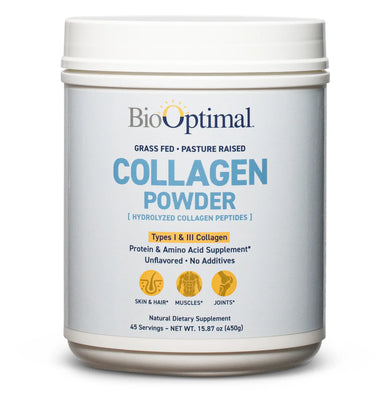
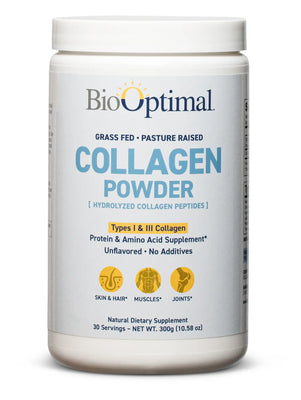
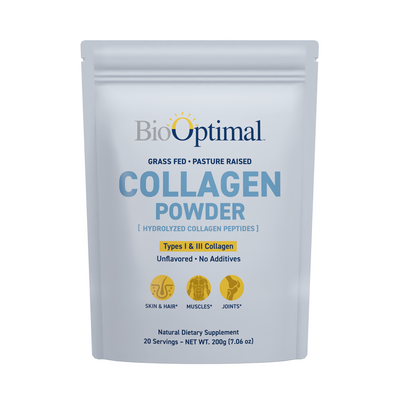
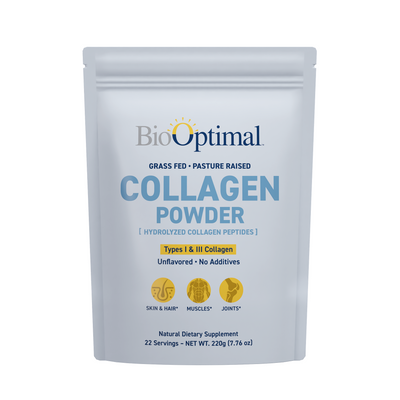
BioOptimal Collagen Powder was built to pass this checklist: it is single-ingredient hydrolyzed collagen, grass-fed and pasture-raised, third-party tested for heavy metals, non-GMO, zero sugar, and made in a GMP-certified, US-based facility. That transparency is exactly what parents should require for a teen. Compare the full range of grass-fed collagen powder options before you buy.
▶ Shop BioOptimal Collagen Powder, grass-fed and third-party tested
SUMMARY:
Experts agree that while peptides may benefit teen skincare and recovery, their use—especially those affecting hormones—should be cautious due to limited research and potential health risks. More studies are needed to confirm long-term safety and effectiveness in adolescents.
Food First: Getting Peptides and Collagen From Diet
Supplements support a good diet, they do not replace it. For most teens, the best way to support skin and bone health is to give the body the raw materials to make its own collagen.
|
Nutrient |
Why it helps |
Best food sources |
|
Protein / amino acids |
Raw material for collagen (glycine, proline) |
Eggs, chicken, fish, bone broth, dairy |
|
Vitamin C |
The “on switch” the body needs to form collagen |
Oranges, strawberries, bell peppers, kiwi |
|
Zinc and copper |
Help activate collagen-building enzymes |
Pumpkin seeds, cashews, lentils |
|
Calcium and vitamin D |
Support the bone matrix alongside collagen |
Dairy, leafy greens, safe sun exposure |
How Teens Should Take Collagen Peptides Safely
- Talk with a pediatrician or registered dietitian before starting.
- Confirm the product is single-ingredient, hydrolyzed, and third-party tested.
- Start with the label’s minimum serving to see how the body responds.
- Mix it into water, a smoothie, or coffee, and pair it with a vitamin C food.
- Watch for any digestive discomfort, and stop and consult a professional if it occurs.
- Keep collagen as an addition to whole-food protein, never a replacement.
▶ View collagen options for active teens

Frequently Asked Questions
1. Are peptides safe for teenagers?
Most synthetic peptides are not considered safe for healthy teens because of limited research and the risk of hormonal disruption during puberty. Collagen peptides are the exception. As a food-derived dietary supplement, they are generally well tolerated, but a healthcare professional should still be consulted first.
2. What age can you take peptides?
There is no official minimum age. For synthetic peptides, the general guidance is to avoid them under 18. Food-derived collagen peptides may be considered from around age 13 to 15 for specific needs, such as acne recovery or high-impact sport, with professional guidance.
3. Can I take peptides at 16?
At 16, synthetic and injectable peptides are still not recommended due to hormonal and developmental risks. Collagen peptides, which are dietary, are generally well tolerated at 16 when the product is clean and third-party tested. Whole-food protein should remain the foundation of the diet.
4. Are collagen peptides safe for teens?
Collagen peptides are generally recognized as safe and are usually well tolerated by teenagers. They should supplement, not replace, whole-food protein, since collagen lacks the essential amino acid tryptophan. Choose a hydrolyzed, single-ingredient, third-party tested product, and check with a pediatrician if any health conditions exist.
5. Do peptides stunt growth?
There is no evidence that collagen peptides stunt growth. They may even support bone and connective tissue during growth. Growth hormone peptides are different and can influence hormones and puberty, which is one reason they are not recommended for teenagers.
6. Can peptides make you taller?
No peptide is a safe or proven way to increase height. Growth hormone peptides can disrupt natural hormone balance and puberty rather than reliably increasing adult height. Collagen supports connective tissue but does not make you taller. Sleep, nutrition, and genetics drive teenage growth.
7. Are peptides legal for minors?
Collagen and creatine peptides are legal dietary supplements. Many synthetic peptides are sold as unapproved research chemicals, and several are banned in competitive sport. Buying or injecting these carries legal, safety, and eligibility risks for minors, so they should be avoided.
8. Are peptides safe for teen athletes?
Teen athletes should avoid synthetic peptides, many of which are on the USADA and WADA banned lists and can end eligibility. Safer, tested options include collagen and creatine monohydrate from third-party tested brands. Nutrition, sleep, and structured training deliver better long-term results.
References
- National Institutes of Health, Office of Dietary Supplements. ods.od.nih.gov
- American Academy of Pediatrics. HealthyChildren.org (sports nutrition and supplements for adolescents).
- U.S. Anti-Doping Agency (USADA). Prohibited peptides and athlete guidance. usada.org
- U.S. Food and Drug Administration. Bulk drug substances and compounding safety risks. fda.gov
- König D, et al. Collagen peptides and bone mineral density. Nutrients. 2018;10(1):97.
- Sigalos JT, Pastuszak AW. The safety and efficacy of growth hormone secretagogues. Sex Med Rev. 2018;6(1):45-53.