

Table of Contents:
Yes, you can safely take colostrum and collagen together. These supplements support different areas of health and may even complement each other when taken as part of your daily routine.
If you want to support gut health, immune function, skin elasticity, or muscle recovery, you might wonder, Can I take colostrum and collagen together? The short answer is yes—and it may benefit your overall wellness.
Colostrum, particularly bovine colostrum, contains potent immune-supporting compounds like immunoglobulin G (IgG) that help strengthen the body’s defenses and support gut integrity. On the other hand, hydrolyzed collagen provides essential amino acids to support skin, joints, and connective tissue. Since bovine colostrum benefits immune and digestive health, and collagen supports structural and skin health, combining them may offer a well-rounded approach to wellness. This article explains how these supplements work, their benefits, and what to consider before adding them to your regimen.
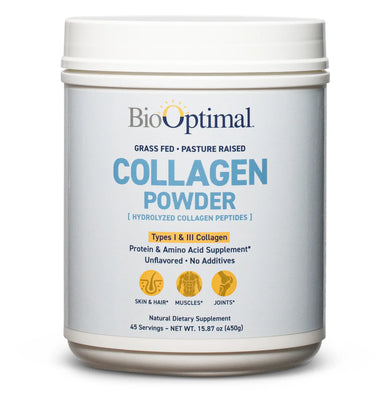
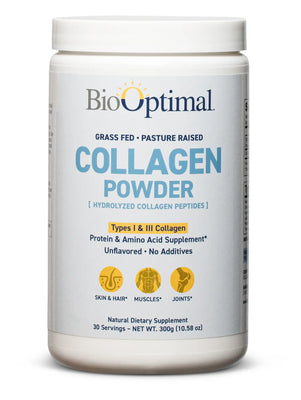
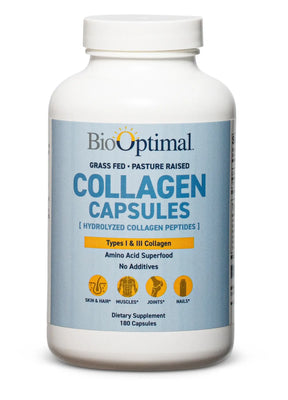
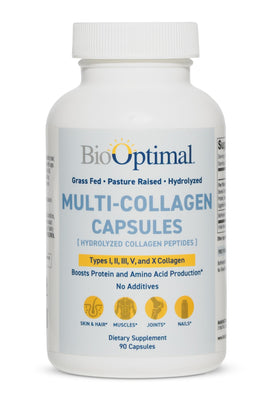
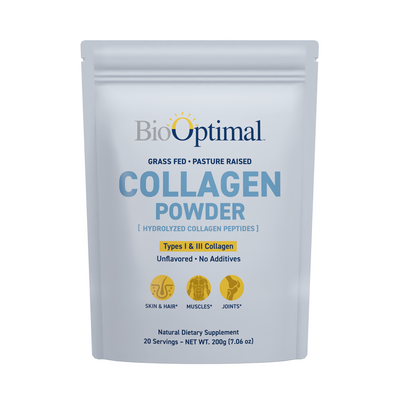
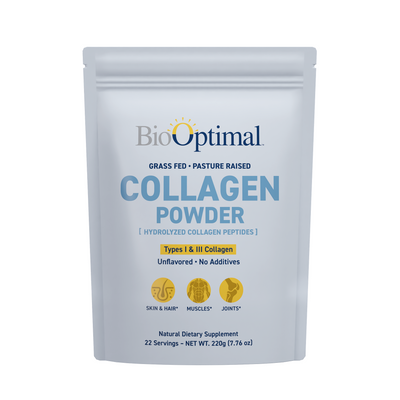
Looking to boost your health naturally? Visit the BioOptimal Supplements website to find out about premium-quality products.
What Are Colostrum and Collagen?
Colostrum and collagen are two widely used nutritional supplements with unique benefits. While they serve different purposes, both support overall health—from immune defense and gut repair to joint strength and skin elasticity. Understanding what these supplements are made of and how they work helps you decide whether combining them is right for your health routine. This section breaks down the key components and roles of colostrum supplements and hydrolyzed collagen to help you better assess potential supplement interactions and how they can work together.
Colostrum Overview
The first milk produced after giving birth by mammals is termed as Colostrum. Bovine colostrum supplements are rich in nutrients supporting immune function and gut health. They contain high levels of immunoglobulins, especially Immunoglobulin G (IgG), which help the body fight pathogens and maintain intestinal integrity. Colostrum also includes growth factors, lactoferrin, and antimicrobial peptides, which promote tissue repair and regulate inflammation. Journal of Dairy Science published that colostrum contains 3–4× more protein than regular milk, making it a valuable option for athletes focused on muscle recovery. People take colostrum to support immunity, gut lining repair, and recovery from exercise or illness.
Collagen Overview
Collagen is the most abundant protein in your body, providing structure to skin, joints, bones, and connective tissue. Collagen production naturally declines as you age, leading to joint trouble and aging signs. Hydrolyzed collagen, called collagen peptides, is broken down into smaller amino acids for easier absorption. It’s often derived from bovine or marine sources. There are various types of collagen; however, Types I, II, and III are the most commonly found in supplements. According to the Nutrients Journal, taking 2.5–15 g of hydrolyzed collagen daily has been shown to improve skin hydration, elasticity, and joint health, which helps guide collagen peptides dosage. People use collagen to support mobility, skin appearance, and recovery from joint stress or aging-related changes.
Individual Benefits Explained
Now that you know what colostrum and collagen are, let’s find out about the specific health benefits of each supplement on its own. While they can be taken together, knowing what each contributes individually is helpful. Colostrum and collagen work through different biological pathways and support distinct areas of your health. From immunity and digestion to skin appearance and joint mobility, these supplements offer unique advantages that may align with your wellness goals.
Benefits of Colostrum

The following are some of the benefits of including colostrum in your diet-
1. Immune System Support
Colostrum is rich in immunoglobulin G (IgG), a key antibody that helps your immune system identify and neutralize harmful microbes. Colostrum helps defend the body against bacteria, viruses, and toxins by supplying passive immunity. This makes colostrum supplements valuable during stress, illness, or immune suppression.
2. Gut Lining Repair
Colostrum contains growth factors and bioactive peptides that help repair the intestinal lining. This is essential for maintaining proper nutrient absorption and protecting against “leaky gut,” where toxins and particles can pass into the bloodstream. Its anti-inflammatory compounds also help soothe the digestive tract.
3. Muscle Recovery
With 3–4× more protein than regular milk (Journal of Dairy Science), colostrum helps fuel muscle repair and growth. It supports tissue recovery after strenuous exercise and may reduce post-exercise inflammation. Athletes and active individuals often use colostrum to improve performance and speed recovery.
Benefits of Collagen

The following are primary benefits of taking collagen supplements daily-
1. Improved Skin Elasticity and Hydration
As collagen levels drop with age, skin can lose firmness and hydration. Hydrolyzed collagen peptides help restore these properties by stimulating your body’s collagen production. Clinical research in the Nutrients Journal shows that taking 2.5–15 g daily improves skin elasticity, moisture retention, and overall appearance.
2. Joint Support and Mobility
Collagen is a cartilage component, the tissue that cushions the joints. Supplementing with collagen prevents and minimizes joint pain and stiffness. This is particularly true for people with osteoarthritis or those recovering from injuries. Collagen contains the amino acids essential to maintaining and repairing joint tissues.
3. Bone Strength and Density
About 90% of bone matrix protein is made up of collagen. As collagen breaks down with age, bones may become weaker. Collagen supplementation helps support bone density and structure, especially when blended with calcium and vitamin D. This benefits aging adults or anyone at risk for bone loss.
How Colostrum and Collagen Differ
Although colostrum and collagen are animal-based supplements with health-promoting properties, they serve different roles in the body. Their sources, composition, and mechanisms of action determine how they affect your health—from gut health and immunity to skin elasticity and joint repair. In-depth knowledge of these differences helps you decide how to include both in your routine and whether to consider factors like lactose intolerance, dairy allergy, or supplement timing. Below, we’ll compare the two based on origin and how they work in the body.
Source & Composition
Cows produce colostrum within 72 hours of giving birth. Bovine colostrum is collected, dried, and processed into powder form. It contains bioactive proteins such as immunoglobulin G (IgG), lactoferrin, and various growth factors that support gut health and immune function. These components help strengthen intestinal walls and balance immune responses. However, because colostrum is a dairy-derived product, people with lactose intolerance should proceed cautiously and consult a healthcare provider before use.
Collagen supplements typically come from bovine (cow), marine (fish), or porcine (pig) sources. The protein is hydrolyzed into collagen peptides for easier digestion and absorption. Unlike colostrum, collagen does not contain immune-supporting antibodies. Instead, it delivers amino acids like glycine, proline, and hydroxyproline, essential for maintaining connective tissue, promoting joint repair, and uplifting skin elasticity. Collagen is dairy-free and generally well-tolerated, even by those with food sensitivities.
Mechanism of Action
Understanding how the supplements work and the accurate time and dosage to take each supplement.
1. Colostrum- Immune and Gut Modulation
Colostrum works by improving the body's immune defense and supporting mucosal health. Its high levels of IgG help neutralize pathogens, while growth factors stimulate the repair of intestinal tissues, making it ideal for gut health. It acts more like a biological signal than a structural nutrient, activating immune cells and promoting healing in the digestive tract.
2. Collagen- Structural Protein Support
Collagen functions as a building block for the body’s tissues. Once absorbed, collagen peptides stimulate the body to produce more collagen, directly supporting skin elasticity, joint repair, and bone density. Unlike colostrum, collagen doesn't influence immune activity. Instead, it contributes to tissue strength and resilience, especially in the skin, joints, ligaments, and bones.
3. Supplement Timing Consideration
No known adverse supplement interactions between colostrum and collagen exist, and they don’t compete for absorption. Many people take colostrum in the morning to support immune and digestive function, and collagen later in the day for tissue recovery. However, both can also be taken together if preferred.
Can You Take Them Together?
If you're considering adding colostrum and collagen to your supplement routine, you may wonder whether it's safe—or even beneficial—to take them together. The good news is that these supplements are compatible and may work synergistically to support different health aspects such as gut health, skin elasticity, and joint repair. Below, we address safety concerns, ideal supplement timing, and how to combine them effectively.
Safety & Interactions
You can safely take colostrum and collagen together. There are no known negative supplement interactions between the two. Each works through a different mechanism, so they do not compete for absorption. However, consult your healthcare provider before taking colostrum supplements if you have a dairy allergy or lactose intolerance.
Recommended Combined Dosage
A typical daily dose is 2.5–15 g of hydrolyzed collagen and 2–6 g of colostrum. This combination supports skin elasticity, gut health, and joint repair. Start with the lower end of each range and adjust based on your needs and tolerance. Always follow product-specific guidelines.\
Timing & Usage Tips
You can take both supplements together or split them throughout the day. For example, take colostrum in the morning to support immune and digestive function, and collagen at night to aid tissue recovery. Mix with water or add to smoothies. Avoid high-heat liquids, which may damage active proteins. Proper supplement timing helps maximize benefits.
Side Effects & Precautions
While combining colostrum and collagen is generally safe for most people, it’s essential to consider individual health needs and potential risks. With 75% of U.S. adults using dietary supplements, awareness of supplement interactions, allergies, and medical conditions is essential. This section outlines who may need to avoid or modify their use of these supplements, and when to seek medical advice.
Colostrum Contraindications
Suppose you have a dairy allergy or lactose intolerance, exercise caution with colostrum supplements. Colostrum is a dairy-derived product containing small amounts of lactose and milk proteins that could trigger allergic reactions or digestive discomfort. Look for products with lactose removed or consult your doctor before use. Always check labels for allergen warnings to reduce your risk.
Collagen Contraindications
Though collagen is generally safe, those with kidney health issues or a high-protein diet should consult a healthcare provider before use. Excessive protein intake may increase kidney strain, primarily if underlying conditions exist. If you're already consuming a high-protein diet, collagen may push intake beyond safe levels. Discuss protein needs with a professional to avoid complications.
Who Should Consult a Doctor?
Pregnancy safety and autoimmune caution are essential factors. If you're pregnant, nursing, or managing an autoimmune condition, consult your healthcare provider before starting either supplement. While both are natural products, the immune-modulating effects of colostrum and the tissue-repairing functions of collagen may not be appropriate in every case. Your doctor can help assess the safety based on your medical history.
Choosing Quality Supplements
With a growing market and high consumer interest—valued at USD 2.83 billion for collagen and USD 2.45 billion for colostrum in 2023—selecting a reliable product is key. High-quality supplements are more effective, safer, and less likely to contain contaminants. The following guidelines will help you identify trusted brands and ingredients.
Quality Indicators
Look for third-party tested, GMP-certified (Good Manufacturing Practice), and USDA organic certifications where applicable. These designations confirm that the product meets high purity, potency, and safety standards. Avoid supplements with artificial additives or unclear sourcing. If you're plant-based, consider vegan collagen alternatives from amino acid blends and vitamin C.
Reading Labels
Carefully read product labels to check for important details. For colostrum, verify the IgG content—a higher percentage indicates better immune support. For collagen, look for products labeled as hydrolyzed or containing collagen peptides, as these are easier to absorb. Also, check for added nutrients like vitamin C, which helps boost collagen synthesis. Avoid fillers and unclear ingredient lists.
Frequently Asked Questions
1. Can you take colostrum and collagen together?
Yes, you can safely take colostrum and collagen together. They support different functions—colostrum aids gut and immune health, while collagen supports skin and joint repair. There are no known negative supplement interactions, making them beneficial in a well-rounded health routine.
2. Are there vegan alternatives?
While colostrum and collagen are animal-based, vegan alternatives are available. These typically contain amino acids, vitamin C, and plant-based ingredients that support your body’s natural collagen production. They’re ideal for plant-based lifestyles or those avoiding animal products due to allergies or dietary preferences.
3. What to avoid when taking collagen?
Avoid excess sugar, refined carbs, UV exposure, and smoking. These factors can break down collagen and reduce its effectiveness. While there are no significant supplement interactions, healthy lifestyle choices are key to protecting collagen levels and maximizing the benefits of collagen supplements for skin and joint health.
4. What should you not take with colostrum?
Avoid combining colostrum with high-dose fat-soluble vitamins (A, D, E, K) or other immune-modulating supplements unless directed by a healthcare provider. Colostrum already contains immune-active compounds, so it's best to monitor total intake to avoid overstimulation of the immune system or nutrient imbalance.
5. Does colostrum help with wrinkles?
Yes, colostrum may help reduce wrinkles. It contains growth factors like EGF, TGF-β, and lactoferrin, which promote skin regeneration and reduce inflammation. These compounds work through the gut-skin axis, supporting internal balance that reflects externally in improved skin tone, elasticity, and reduced signs of aging.
6. Can you take too much collagen?
Consuming more than 15–20 grams daily may lead to minimal side effects such as bloating or digestive discomfort. A daily dosage of 2.5–15 grams supports skin elasticity, joint repair, and connective tissue health without unwanted effects.
Wrapping Up
Combining colostrum and collagen can be a safe and effective way to support your overall health. Colostrum promotes gut health, immune balance, and skin repair through growth factors and immune proteins, while collagen strengthens skin, joints, and bones with essential amino acids. Their unique benefits complement each other without known supplement interactions. Consider personal factors such as dairy allergy, lactose intolerance, or specific health conditions. Stick to recommended dosages and choose quality products. If unsure, consult a healthcare provider—especially during pregnancy or with autoimmune concerns.
Looking for safe, effective supplements you can trust? Check out the BioOptimal Supplements website for GMP-certified, premium-quality products designed to support your health—naturally and reliably.